US widens chip export curbs in Asia to block rerouting to China
Washington has extended chip sale restrictions to additional Asian countries, aiming to close diversion routes that could send advanced semiconductors to China.
AIXVZ
AI agents that sell for you. AIXVZ builds sales agents and automates routine business processes — from first contact to deal.
Learn more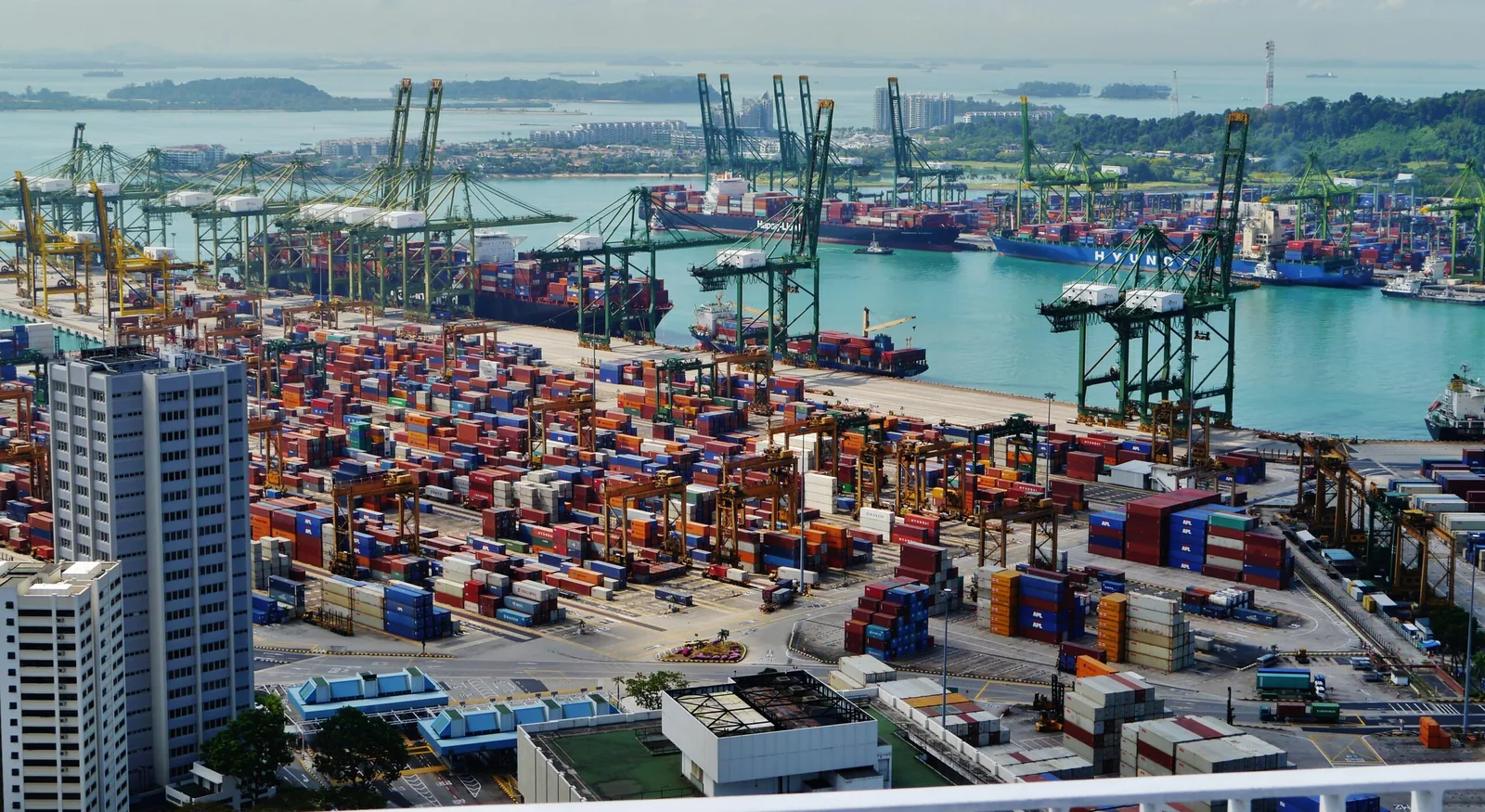
The United States has extended restrictions on chip sales to more countries in Asia in an effort to reduce the risk of diversion to China. The move broadens the geographic scope of existing export controls rather than introducing a wholly new category of ban. For readers, it signals that Washington is tightening enforcement around resale and transit routes for sensitive semiconductors.
Broader controls target diversion routes
The central fact reported is the extension of sale restrictions to additional Asian countries, with the stated purpose of limiting diversion to China. Diversion in this context refers to chips initially sold to buyers in one country later being transferred to restricted buyers elsewhere. The report frames the expansion as a preventive step, aimed at closing gaps that can appear when controls apply unevenly across the region.
The action fits within a longer US effort to restrict Chinese access to advanced computing hardware used for artificial intelligence and high-performance computing. Previous measures have focused on direct sales to China and on manufacturing equipment and technical support tied to advanced chips. Extending restrictions to more Asian countries suggests attention has shifted to intermediary points in the supply chain, where enforcement is more difficult and documentation can obscure the final destination.
What tighter enforcement means for work
For technology workers and businesses, wider restrictions can mean more compliance checks, longer approval times and closer scrutiny of customers and distributors in Asia. Companies selling servers, accelerators or related components may need to document end users more carefully and review contracts with resellers. That administrative burden tends to fall on procurement, legal and export-compliance teams rather than on ordinary consumers directly.
This story does not establish which specific chip models are covered, which Asian countries were added, or when the new terms take effect. It also does not show how much trade will be affected or whether the measures will materially slow Chinese access to restricted hardware. Readers outside chip sales, distribution and AI infrastructure are unlikely to feel an immediate effect.
// Read next
AI labs near cryptography breakthrough as expert panel prepares statement
A 21-expert cryptography panel lists a forthcoming statement as researchers point to an AI breakthrough in theoretical …
Musk: Google Wants to Rent More Computing Capacity From SpaceX
Elon Musk says Google is interested in renting additional computing power from SpaceX, a signal of how tight AI infrast…
RTX 5090 Cable Melt Triggers Air Quality Alarm in PC Owner Room
A Reddit user says a melting 12+4-pin cable on a Gigabyte RTX 5090 filled the room with particles and damaged the GPU p…
YouTuber builds working USB graphics card for 20 cents
Bitluni turned a 13-cent CH570 microcontroller into a monochrome USB graphics card using PWM video tricks and SRAM cach…