The $160B Treasury dump that wasn't: Japan fact-checked
A viral post claims Japan dumped $160 billion of US Treasuries after an 8% Nikkei crash. The real numbers are smaller, older — and more interesting.
AIXVZ
AI agents that sell for you. AIXVZ builds sales agents and automates routine business processes — from first contact to deal.
Learn more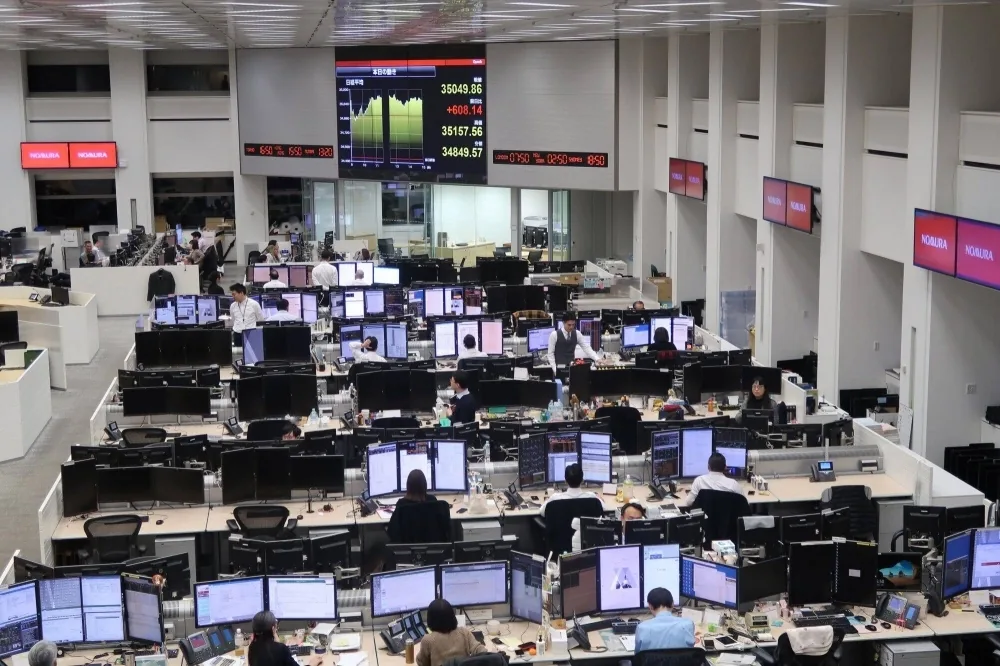
A viral post warning that "Monday could turn into a disaster for global markets" is making the rounds: Japan, it claims, dumped $160 billion in US Treasuries after the Nikkei crashed 8% in a few hours, sits on ¥30 trillion in bond losses, and is racing China to accumulate gold while both abandon the dollar. The post has been viewed tens of thousands of times. Almost every number in it is wrong — but the trends underneath it are real.
What the numbers actually say
Japanese private investors sold about $29.6 billion in US Treasuries in the first quarter of 2026 — the largest quarterly reduction since 2022, but one-fifth of the claimed figure and spread over months, not hours. Japan's official Treasury holdings fell from $1,104 billion in July to $1,068 billion in August, a $36 billion decline. Japan's finance ministry, meanwhile, added $39.8 billion to its Treasury holdings between December 2025 and January 2026 to keep intervention dry powder ready. Its summer currency intervention cost about ¥15.4 trillion ($96.5 billion) — large, but funded in an orderly way, partly through the Fed's repo facility that lets reserve managers raise dollars without dumping bonds on the open market.
The Nikkei did crash — but on 6 November, not the day the post appeared, and because of Wall Street, not Tokyo. The index fell 5.96% that day after the Nasdaq dropped 5.5% and the Philadelphia Semiconductor Index plunged 12.3% on fears over AI data-center spending. SoftBank lost 10%, chip-equipment makers fell 5–9%. A month earlier the Nikkei had topped 70,000 for the first time in three months, having hit a record 72,831 in June. When the post went live, the Nikkei was rising. The claimed ¥30 trillion in bond losses and ¥21 trillion wiped out in a single day have no source at all.
Gold, China and the AI correction
Japan's gold reserves have not hit new highs: they have been flat at 845.97 tonnes since the first quarter of 2023. The market value of that gold peaked in February 2026 at $142 billion and fell to $113.6 billion by September as the gold price retreated. China is a different story — its Treasury holdings fell from $618 billion to $590.7 billion in a month, and its central bank keeps buying gold. That is a genuine global trend among central banks, though, not a coordinated dollar exit.
The one claim that holds up is the AI crash in China. Shanghai's STAR 50 index of AI and chip companies fell 40% in under four months, erasing about $480 billion in market value, according to Reuters. Goldman Sachs estimates AI stocks are 42% of China's market capitalisation and 57% of trading volume. Even after the fall, the index trades near 100 times earnings against roughly 30 for the Nasdaq 100. That concentration — not Japan — is the real contagion channel: the Nikkei's worst days this year were imported from Nasdaq sell-offs.
The real risk is slower, not louder
None of this makes the underlying pressure imaginary. Japanese investors repatriating capital as JGB yields rise — a hedged 10-year JGB now yields roughly 100 basis points more than a hedged Treasury — removes demand from the Treasury market at a moment when the US must roll over about $9 trillion in maturing debt. That supports higher US yields at the margin. But a steady, price-sensitive drift of capital home is a different animal from a panic dump, and the same investors are buying JGBs, not fleeing them.
The honest summary: markets are not facing a Monday disaster from Tokyo. They are digesting an AI valuation reset that already hit China hard and is now testing Japan's export-and-chip-heavy index. Japan's genuine problem — debt above 200% of GDP and a central bank normalising from decades of near-zero rates — will take years to resolve. Fear sells; the data says something more boring and more durable.
// Read next
Growth Stocks Turn Cheaper Than Value for First Time Since 2008
The S&P 500 Growth index fell 15% from the October peak and its forward P/E dropped below value, a split last seen in t…
Tech sell-off drags down three consumer stocks with raised outlooks
With the S&P 500 down nearly 12% from its peak, Amer Sports, Tapestry and Birkenstock trade at 13 to 22 times forward e…
Monster and AutoZone Offer Shelter as Nasdaq Swings on Nvidia
With the Nasdaq whipsawed by Nvidia leadership turmoil, Monster Beverage and AutoZone stand out for low volatility and …
Canada bank earnings preview puts 2027 outlooks in focus
Canada's Big Six banks report fourth-quarter results this week, with analysts watching capital markets softness, margin…