US Treasury questions Nvidia sales to shell firms and demands
Treasury Secretary Scott Bessent said Nvidia must answer whether it knowingly sold AI GPUs to shell companies linked to China, while stopping short of accusing CEO Jensen Huang.
AIXVZ
AI agents that sell for you. AIXVZ builds sales agents and automates routine business processes — from first contact to deal.
Learn more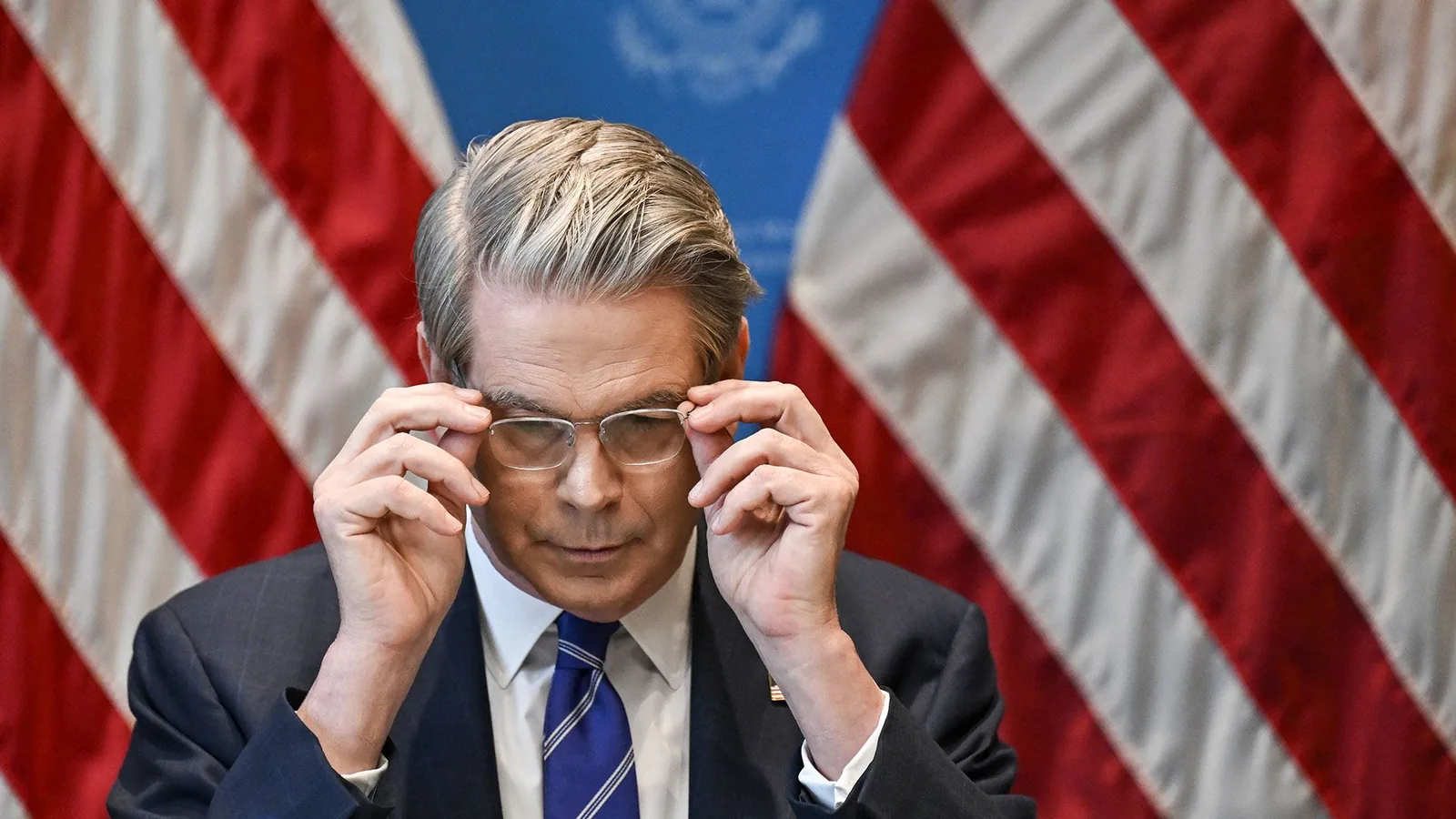
U. S. Treasury Secretary Scott Bessent questioned whether Nvidia knowingly sold restricted AI GPUs to shell companies acting as intermediaries for China, and said those responsible inside the company should face consequences. He said export controls cannot block all leakage, with China allegedly obtaining millions of restricted Nvidia GPUs. The issue matters because tighter enforcement could affect chip supply, compliance jobs and investor risk around Nvidia.
Nvidia client checks and Megaspeed case under scrutiny
In an interview with CNBC, Bessent said there is a lot of leakage in the export control system and authorities are working to close it. He argued the focus should not be on the personal conduct of chief executive Jensen Huang, but on whether Nvidia knew its clients and made a robust effort to prevent sales to what he described as obviously pass-through shell companies. He said it was unclear whether Huang knew about potentially illicit practices, while expressing confidence that Nvidia board would conduct a thorough investigation.
Bessent also criticized Nvidia general counsel Timothy Teter, who reportedly contacted the U. S. Department of Commerce to ask whether U. S. authorities were behind the detention of Megaspeed executive Alice Wong in Singapore. He said the counsel should have focused on oversight rather than pressing Commerce Department officials. Bessent added that the Treasury, War and State departments, along with the Office of the U. S. Trade Representative, had supported adding Megaspeed to the Entity List for months. Authority for that decision rests with the Bureau of Industry and Security, which reportedly delayed action as Commerce Secretary Howard Lutnick feared worsening trade tensions with China.
Enforcement, jobs and investor risk from chip controls
Bessent said the U. S. does not need stricter export restrictions or new powers to stop GPU smuggling, but should properly enforce existing rules. For workers and businesses, that points to more compliance checks, customer screening and audit work at chipmakers, distributors and data center suppliers, rather than a new law. For investors and employees with exposure to Nvidia and its supply chain, the risk is legal and reputational: an internal investigation and possible enforcement action could bring costs and volatility even without a finding against senior leadership.
The account remains incomplete and partly allegation. Bessent declined to speculate on consequences if executives knew customers were intermediaries for Chinese entities, and did not present proof that Huang or other leaders approved such sales. The report does not establish how many GPUs reached restricted destinations or which parties are affected beyond Nvidia, Megaspeed and the agencies involved. Readers outside chip sales, compliance and related investing are not directly affected.
// Read next
AI labs near cryptography breakthrough as expert panel prepares statement
A 21-expert cryptography panel lists a forthcoming statement as researchers point to an AI breakthrough in theoretical …
Musk: Google Wants to Rent More Computing Capacity From SpaceX
Elon Musk says Google is interested in renting additional computing power from SpaceX, a signal of how tight AI infrast…
RTX 5090 Cable Melt Triggers Air Quality Alarm in PC Owner Room
A Reddit user says a melting 12+4-pin cable on a Gigabyte RTX 5090 filled the room with particles and damaged the GPU p…
YouTuber builds working USB graphics card for 20 cents
Bitluni turned a 13-cent CH570 microcontroller into a monochrome USB graphics card using PWM video tricks and SRAM cach…