UK Plans Strict DeFi Authorization After $6.4B Binance Hack
Britain's FCA will require DeFi platforms to be authorized and bar regulated exchanges from routing retail trades through them, citing fraud and laundering risks.
AIXVZ
AI agents that sell for you. AIXVZ builds sales agents and automates routine business processes — from first contact to deal.
Learn more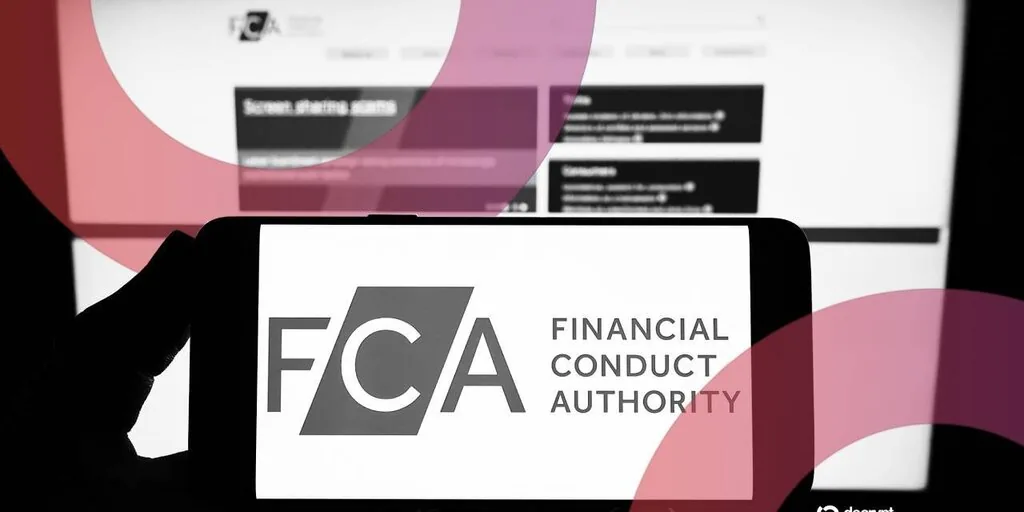
Britain's Financial Conduct Authority plans to require decentralized finance platforms to obtain authorization under its incoming crypto regime, citing the record $6.4 billion hack of Binance in October as justification for a stricter stance. The approach, reported by the Financial Times on Thursday, would go further than rules in the United States and the European Union. For readers, it signals tighter limits on how regulated firms can connect to DeFi.
FCA cites Binance hack and retail trade ban
FCA officials told the newspaper they were deliberately strict on DeFi because of high risks of fraud, scams and money laundering, and because users have little ability to recover stolen funds or seek compensation. While Binance is a centralized exchange, hackers moved large sums through decentralized exchanges that do not freeze stolen funds, swapping them into other tokens to make them harder to trace. Jane Moore, the FCA head of department for payments and digital assets, said the speed and scale at which stolen funds move through DeFi platforms can frustrate attempts to freeze and block transfers.
The FCA position means UK-regulated crypto trading platforms will not be allowed to execute retail trades on DeFi platforms, a divide Moore described as deliberate given the lack of consumer protections in DeFi. The regulator also plans to require all UK retail orders for equities, tokenized or not, to be executed on a regulated platform, cutting off access to offshore DeFi venues for tokenized stocks. Jamie Bell, the FCA head of capital markets, said the same risk should be treated the same way. The FCA and the Bank of England have set out a shared vision for tokenization within the regulated system.
What UK limits mean for investors and firms
For people holding crypto in Britain, the practical effect would be a clear separation between regulated trading and unregulated DeFi venues. Regulated exchanges could not route retail orders to decentralized exchanges, and retail equity orders including tokenized stocks would need to stay on regulated platforms. Crypto firms argue this would leave UK investors without access to products such as tokenized equities and decentralized lending. The consultation on draft guidance closed on November 18, with final guidance expected in January 2027 ahead of the crypto regime taking effect on October 25, 2027.
The story does not prove that all DeFi activity will be banned, only that authorization would be required and regulated retail execution would be restricted. It remains unclear exactly which DeFi service providers the rules would cover, an issue raised by Aave Labs chief legal and policy officer Linda Jeng. Coinbase head of policy in Europe Katie Harries said the US and EU are building routes for regulated DeFi access while the UK is creating a prohibition. The EU securities authority proposed such a regulated service under MiCA in September.
// Read next
FT: Russian VC revealed as multibillion-dollar Tether co-owner
Vitaly Bezrodnykh, founder of Fulgur Ventures, holds a previously undisclosed multibillion-dollar stake in Tether, per …
Binance wins conditional approval for Bhutan regional hub
Binance received in-principle approval from Bhutan’s Gelephu Central Bank to build an Asia hub, weeks after a $6.3 bill…
Bitcoin and gold are 2026's worst-performing major assets
Bitcoin is down 32% in 2026 and gold 16%, placing both at the bottom of the year's major-asset rankings — a pairing mar…
Kalshi fights states over prediction market taxes and gambling rules
New York, New Jersey and Kentucky are testing whether federal oversight shields Kalshi from state gambling laws as Bern…