Trezor finds spy implants in three Safe 5 wallets, cuts reseller
Trezor confirmed hardware implants in three Safe 5 wallets from CryptoBilis and released firmware 2.13.1, while telling affected buyers to move funds to new wallets.
AIXVZ
AI agents that sell for you. AIXVZ builds sales agents and automates routine business processes — from first contact to deal.
Learn more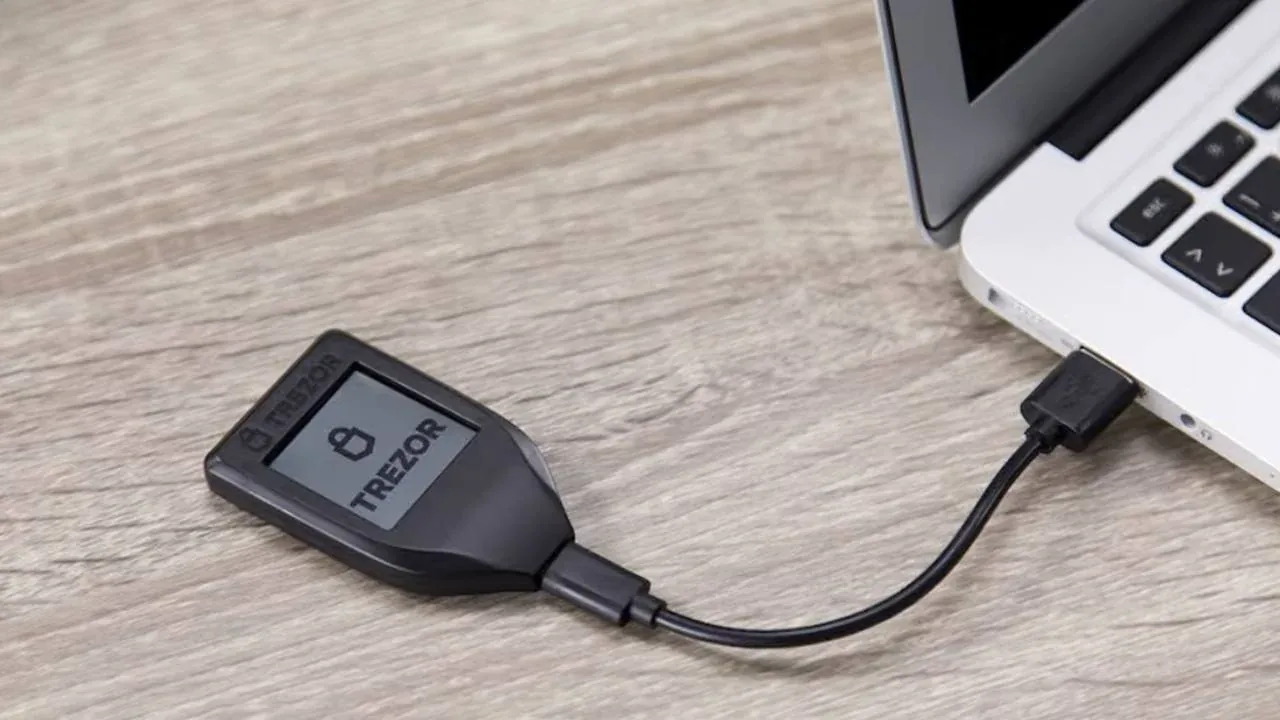
Trezor said on Nov. 12 that three Safe 5 hardware wallets bought from former authorized reseller CryptoBilis contained unauthorized hardware implants. The company released firmware version 2.13.1 on Nov. 11 to block data capture by the identified implants and said it had reduced its reseller network by about 80%. Buyers affected are still advised to move funds to newly created wallets.
Firmware update and tighter reseller controls
All three affected devices were purchased between Aug. 20 and Sept. 23 through CryptoBilis directly or through its stores on Tokopedia and Shopee, according to the company. Trezor examined the first reported Safe 5 implant in its laboratory and identified two others from owners’ photographs. Forty-eight customers had contacted the company, with checks carried out in the laboratory or through internal photographs. The company said it had received no reports of customer funds lost to the implants.
Inside the Safe 5, the unauthorized implant sits between the screen and the main board, the primary circuit board connecting electronic components. It copies displayed information without changing the firmware or Secure Element, a dedicated security chip. The added board records recovery words during wallet creation or restoration, plus displayed passphrases, which are optional extra secrets used to access separate wallets. The implant encrypts captured data and sends it over a mobile network to a server run by the attackers, storing it and retrying if no signal is available. Trezor said the implant works the same way as those found in some Ledger devices, where attackers bought genuine devices, modified them and returned them to sale through resellers in Southeast Asia.
Why CryptoBilis buyers need new wallets
Although firmware 2.13.1 prevents the identified implants from capturing information by updating the software that runs the device, recovery phrases captured before installation cannot be secured by the update. Trezor continued advising CryptoBilis buyers to transfer funds to newly created wallets, since replacing hardware while reusing the same recovery phrase leaves that exposure intact. Owners of suspected tampered devices were instructed to retain them and avoid setup or use pending support guidance. The company warned that scammers could impersonate staff offering replacements or refunds and reiterated that it never requests recovery phrases.
Replacement eligibility covers every model purchased from CryptoBilis from March onward, with requests handled through official Trezor Support. Shipping restrictions may require a different model with a refund of the price difference, delivery to another country, or a refund. The findings remained limited to Safe 5 devices bought from CryptoBilis, with checks of other regional resellers’ devices finding no tampering and no confirmed implants in other models. The company continued working with SEAL 911, the Security Alliance’s emergency response service for cryptocurrency incidents, and pledged a reward for the customer who first reported the implant.
// Read next
FT: Russian VC revealed as multibillion-dollar Tether co-owner
Vitaly Bezrodnykh, founder of Fulgur Ventures, holds a previously undisclosed multibillion-dollar stake in Tether, per …
Binance wins conditional approval for Bhutan regional hub
Binance received in-principle approval from Bhutan’s Gelephu Central Bank to build an Asia hub, weeks after a $6.3 bill…
Bitcoin and gold are 2026's worst-performing major assets
Bitcoin is down 32% in 2026 and gold 16%, placing both at the bottom of the year's major-asset rankings — a pairing mar…
Kalshi fights states over prediction market taxes and gambling rules
New York, New Jersey and Kentucky are testing whether federal oversight shields Kalshi from state gambling laws as Bern…