Samsung, SK hynix, Micron unite on robot charging standards
Samsung, SK hynix and Micron are developing shared charging specs for fab robots to cut costs and speed automation of older plants toward unmanned production.
AIXVZ
AI agents that sell for you. AIXVZ builds sales agents and automates routine business processes — from first contact to deal.
Learn more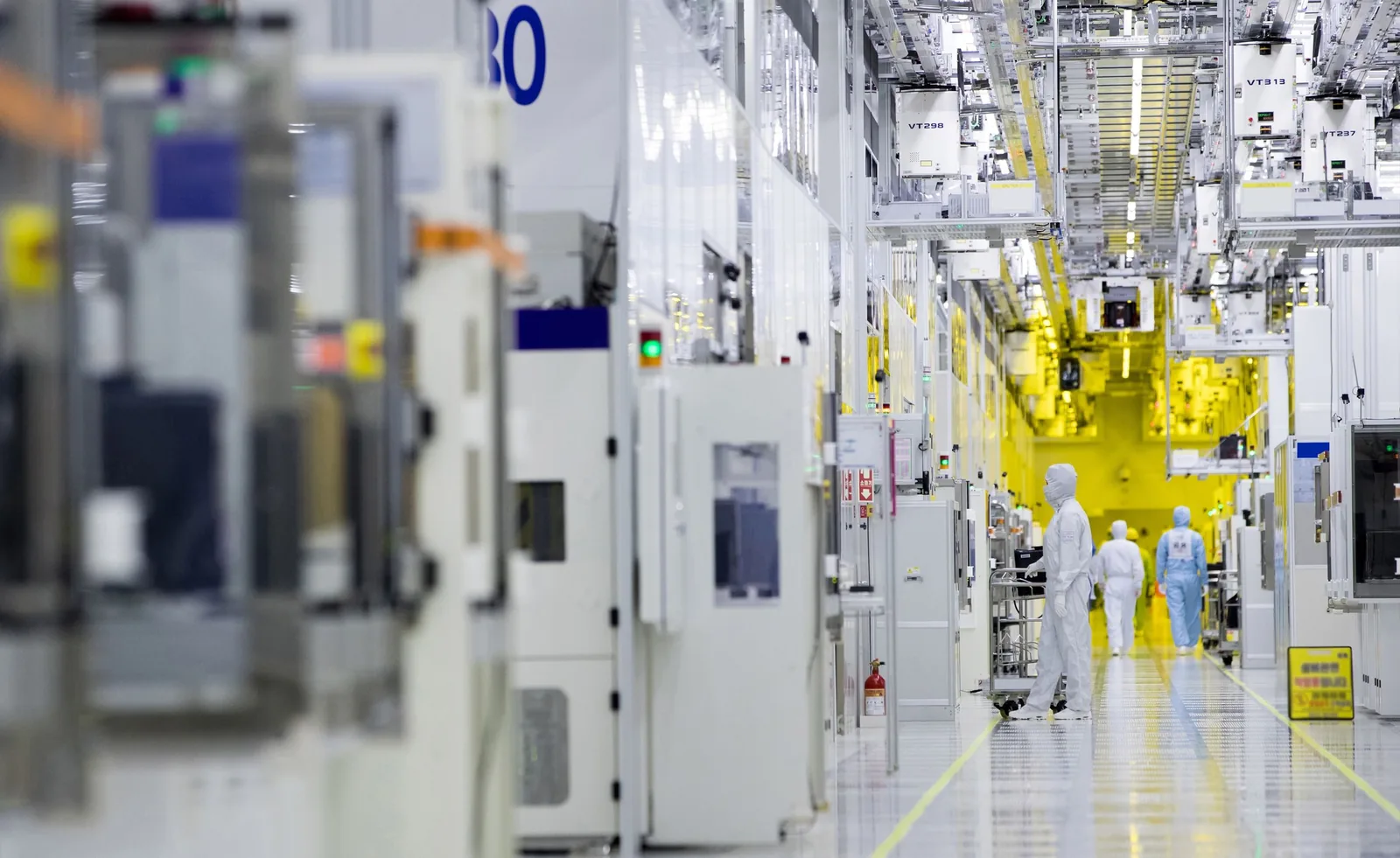
Samsung Electronics, SK hynix and Micron have formed an early-stage consultative body to develop common charging standards for mobile robots used in chip fabs, Seoul Economic Daily reported. The group also includes the SEMI industry association. The move matters because shared chargers would lower the cost of running large mixed robot fleets and help squeeze more output from existing plants.
Shared chargers for mixed robot fleets
The initiative aims to set common technical specifications so robots from different makers can share charging equipment, reducing cost, complexity and floor space. The alliance is considering standards for battery specifications, charging-station equipment and communication protocols, charging connectors and battery management systems. Together these would cover physical and electronic interfaces for charging inside fabs. A later step would link charging data to the fab manufacturing execution system, using battery levels, robot availability and production schedules to decide when robots work and recharge.
Demand for memory chips for AI infrastructure has pushed makers to automate more steps to raise speed and capacity in current facilities while new fabs are built. Modern fabs already use extensive automation but still need people to move materials between floors and unpack products. Older fabs rely even more on manual carts to move wafer containers and have fewer automated handling systems. Mobile options include autonomous mobile robots for transport, mobile manipulators that add an arm to a moving base, and humanoid robots for more complex handling. Different models now need separate chargers, which raises equipment and maintenance costs.
What automation means for jobs and costs
For workers and suppliers, a shared standard would change purchasing and operations. Fabs could buy robots from several vendors without adding a separate charging system for each model, and charging could be timed for low-demand periods while other robots cover critical transfers. That flexibility matters across the hundreds of steps in chip fabrication. The three chipmakers are mainly buyers of industrial robots, except Samsung with its robotics business, and the plan is for robot makers and charger suppliers to help develop and validate the requirements through an industry process.
The project does not prove that fully autonomous fabs will arrive on schedule. Both Samsung and SK hynix have outlined plans for an autonomous fab by 2030, but the current work is early-stage and participants are still deciding what to standardize. A similar effort a decade ago made little progress, according to DigiTimes. The three firms control almost the entire global DRAM market, which gives the effort weight, but robotics makers have not yet adopted any specification.
// Read next
AI labs near cryptography breakthrough as expert panel prepares statement
A 21-expert cryptography panel lists a forthcoming statement as researchers point to an AI breakthrough in theoretical …
Musk: Google Wants to Rent More Computing Capacity From SpaceX
Elon Musk says Google is interested in renting additional computing power from SpaceX, a signal of how tight AI infrast…
RTX 5090 Cable Melt Triggers Air Quality Alarm in PC Owner Room
A Reddit user says a melting 12+4-pin cable on a Gigabyte RTX 5090 filled the room with particles and damaged the GPU p…
YouTuber builds working USB graphics card for 20 cents
Bitluni turned a 13-cent CH570 microcontroller into a monochrome USB graphics card using PWM video tricks and SRAM cach…