S&P puts Nvidia on watch for downgrade over Huang return
S&P Global Ratings placed Nvidia on watch for a possible downgrade, citing weak board oversight after Jensen Huang resigned and returned within 11 days.
AIXVZ
AI agents that sell for you. AIXVZ builds sales agents and automates routine business processes — from first contact to deal.
Learn more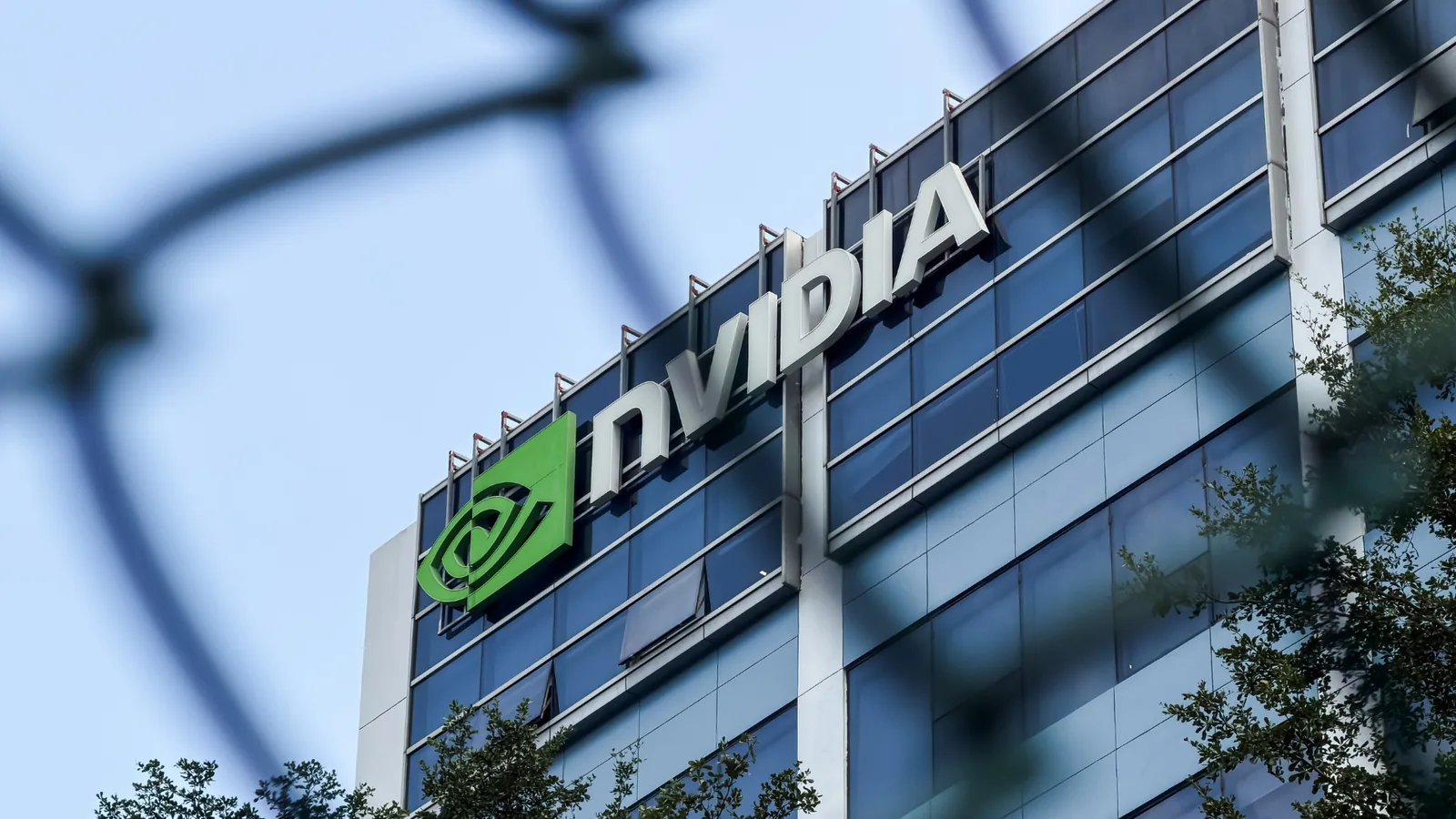
S&P Global Ratings placed Nvidia on watch for a possible credit downgrade after the resignation and rapid reinstatement of chief executive Jensen Huang. The agency said long tenure of certain board members may have compromised their independence and pointed to weak oversight and succession planning. The warning matters because a lower rating can raise borrowing costs for the chipmaker at the center of AI spending.
Why S&P flagged board oversight and China risk
Nvidia founder Jensen Huang resigned on November 12 after allegations of affairs, including with Megaspeed chief executive Alice Huang, who is also accused of enabling smuggling of 7.5 billion dollars worth of AI GPUs into China. The Nvidia board reinstated Huang on November 23, 11 days later, after earlier refusing to bring him back during an ongoing national security investigation. The board said it received input from senior levels of the United States that his reinstatement poses no national security risk, following direct talks involving President Donald Trump.
S&P said issues around export control violations, China exposure and the departure then reinstatement of the chief executive raise questions about geopolitical risk management and internal controls. The agency said weak executive oversight and lack of succession planning brought key man risk to the forefront, adding that the return does not sufficiently answer questions about board oversight of executive code of conduct. It said any downgrade could come in the next 90 days after due diligence, and would likely be limited to one notch unless investigations show harm to reputation or business prospects.
What a lower credit rating would mean in practice
For workers and investors, the immediate issue is uncertainty rather than a change in Nvidia operations, as S&P said the chipmaker risk profile remains unchanged. A one-notch downgrade would not signal insolvency, but it can affect confidence among lenders, partners and large customers that rely on multi-year chip supply and data center projects. It also keeps attention on compliance systems for export controls, which matter for hiring, contracts and sales linked to China and AI hardware.
The notice does not prove export violations or establish the truth of the personal allegations, and several inquiries are still pending. Huang still faces an internal inquiry at Nvidia, a private meeting with the House Select Committee on China and public testimony before the Senate Banking Committee, among others. The story affects Nvidia creditors and shareholders most directly, not owners of its graphics cards or unrelated technology workers.
// Read next
AI labs near cryptography breakthrough as expert panel prepares statement
A 21-expert cryptography panel lists a forthcoming statement as researchers point to an AI breakthrough in theoretical …
Musk: Google Wants to Rent More Computing Capacity From SpaceX
Elon Musk says Google is interested in renting additional computing power from SpaceX, a signal of how tight AI infrast…
RTX 5090 Cable Melt Triggers Air Quality Alarm in PC Owner Room
A Reddit user says a melting 12+4-pin cable on a Gigabyte RTX 5090 filled the room with particles and damaged the GPU p…
YouTuber builds working USB graphics card for 20 cents
Bitluni turned a 13-cent CH570 microcontroller into a monochrome USB graphics card using PWM video tricks and SRAM cach…