Russia opens Bitcoin trading with strict retail purchase limits
From Nov. 22 Russian exchanges can trade Bitcoin and Ethereum, while Moscow Exchange plans a Dec. 1 pilot with a 300,000-ruble annual cap for retail buyers.
AIXVZ
AI agents that sell for you. AIXVZ builds sales agents and automates routine business processes — from first contact to deal.
Learn more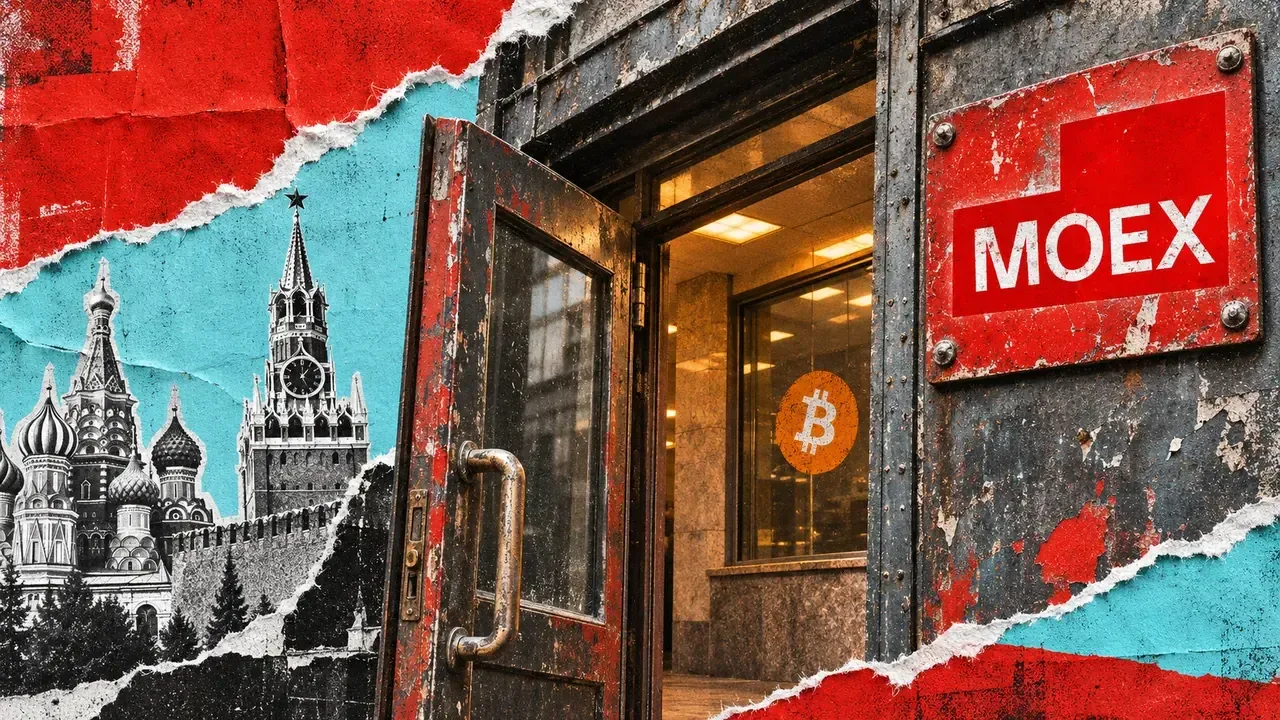
Russian exchanges can begin trading Bitcoin from Nov. 22 once the central bank approves their rules, with Moscow Exchange planning a Dec. 1 pilot through its National Clearing Centre. Ordinary investors will be limited to 300,000 rubles in crypto purchases per intermediary per year. The move creates a regulated path to own crypto through brokers, but it does not legalize crypto payments inside Russia.
Retail rules, approved coins and December pilot
The central bank retail purchase rules took effect Nov. 17 and limit ordinary investors to Bitcoin, Ethereum and the dollar-linked stablecoin USDT. A separate ordinance on exchange operations allows venues to start trading from Nov. 22, provided the regulator has approved their trading rules. Moscow Exchange aims to launch on Dec. 1, starting with pilot transactions as participating firms connect. The central bank said it chose the three assets partly because they are heavily traded and have at least five years of price history on foreign exchanges.
Exchanges must register trading firms, track orders and completed deals, calculate market prices and report activity to the central bank. Russia law also provides for digital depositories that record ownership rights to the assets. Moscow Exchange already offers cash-settled crypto futures, reporting more than 600 billion rubles in turnover since summer 2025, but those contracts pay out in rubles without delivering coins. The December pilot would trade the assets themselves, with same-day and next-day settlement and five pairs: Bitcoin, Ethereum and USDT against rubles, plus Bitcoin and USDT against USDX, a specialized settlement currency. Short selling will initially be prohibited, while settlement will occur through depository records without a blockchain transfer for every trade.
What regulated ownership means for investors
For a normal holder, the system means buying crypto through a familiar broker, asset manager or registered crypto office rather than a foreign platform. The 300,000-ruble limit is measured by rubles spent per intermediary per calendar year, not by portfolio value. Buying 100,000 rubles of Bitcoin and 100,000 rubles of Ethereum through one broker uses two-thirds of the allowance, regardless of later price moves. Qualified investors can buy other coins without the same cap after passing a test and reviewing risks. Domestic merchants remain barred from accepting crypto for goods and services, while exporters and importers can use it for cross-border settlement under a separate provision.
The story does not prove that a liquid market will emerge or that retail holders can withdraw coins to personal wallets. Published materials do not identify a separate depository or confirm direct withdrawals. The US Treasury sanctioned both Moscow Exchange and the National Clearing Centre in June 2024, and the USDT specification points to tokens issued on Ethereum under issuer Tether, which has a policy for freezing wallets linked to sanctioned parties. No freeze connected to the pilot has been verified, and documents do not show whether Tether has reviewed the arrangement or how its controls would apply to custody.
// Read next
FT: Russian VC revealed as multibillion-dollar Tether co-owner
Vitaly Bezrodnykh, founder of Fulgur Ventures, holds a previously undisclosed multibillion-dollar stake in Tether, per …
Binance wins conditional approval for Bhutan regional hub
Binance received in-principle approval from Bhutan’s Gelephu Central Bank to build an Asia hub, weeks after a $6.3 bill…
Bitcoin and gold are 2026's worst-performing major assets
Bitcoin is down 32% in 2026 and gold 16%, placing both at the bottom of the year's major-asset rankings — a pairing mar…
Kalshi fights states over prediction market taxes and gambling rules
New York, New Jersey and Kentucky are testing whether federal oversight shields Kalshi from state gambling laws as Bern…