Robinhood engineer admits insider trading on Hyperliquid listings
A former Robinhood engineer pleaded guilty to wire fraud after making $125,523 trading perpetual futures ahead of listing announcements.
AIXVZ
AI agents that sell for you. AIXVZ builds sales agents and automates routine business processes — from first contact to deal.
Learn more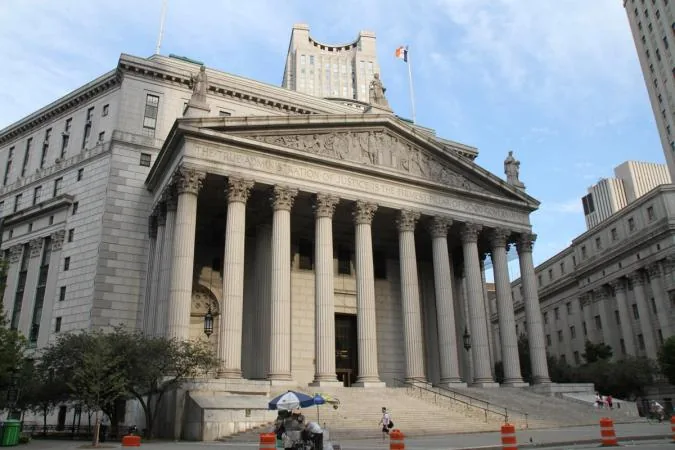
Former Robinhood software engineer Huaisong Xiang pleaded guilty to wire fraud for trading on confidential listing information, making $125,523 on Hyperliquid. He entered the plea on Monday before U. S. District Judge Colleen McMahon in Manhattan and agreed to forfeit the profits. The case matters because it shows insider-trading rules apply even when trades happen on decentralized derivatives venues.
How Xiang used listing data on Hyperliquid
Prosecutors in the Southern District of New York said Xiang had access to internal information about which cryptocurrencies Robinhood planned to add and when announcements would occur. Between 2025 and 2026, he repeatedly bought perpetual futures tied to those tokens before Robinhood made its plans public, according to CoinDesk. Perpetual futures let traders bet on price moves without owning the tokens and have no expiration date. The original complaint alleged Xiang traded ahead of at least 11 listing announcements.
Xiang, 30, was charged in September alongside another Robinhood engineer, Hefu Chai, 36, with commodities fraud and wire fraud. Both belonged to an internal group called Coin Aware Individuals with access to a private Slack channel containing planned listing details, prosecutors said. Robinhood policies barred employees in that group from trading affected tokens on any platform before an announcement and for 24 hours afterward. When charges were announced, Robinhood said it had investigated the matter and reported it to law enforcement and regulators.
What guilty plea means for market trust
For ordinary crypto users, the plea underlines that listing announcements can move prices and that early access creates an uneven market. The company's chief executive was not quoted, but U. S. Attorney Jamie McDonald said corporate insiders will be held accountable when they trade on misappropriated information, no matter the platform. Robinhood previously said it takes market integrity seriously and has zero tolerance for insider trading. The outcome may reinforce compliance controls at brokerages and exchanges around who sees listing calendars.
The announcement does not resolve the case against Chai and did not specify a sentencing date for Xiang. It also does not show how much other Hyperliquid traders were affected or whether additional tokens were involved beyond those cited. The Justice Department statement described repeated trading over about a year, but did not detail total trading volume or losses to counterparties.
// Read next
FT: Russian VC revealed as multibillion-dollar Tether co-owner
Vitaly Bezrodnykh, founder of Fulgur Ventures, holds a previously undisclosed multibillion-dollar stake in Tether, per …
Binance wins conditional approval for Bhutan regional hub
Binance received in-principle approval from Bhutan’s Gelephu Central Bank to build an Asia hub, weeks after a $6.3 bill…
Bitcoin and gold are 2026's worst-performing major assets
Bitcoin is down 32% in 2026 and gold 16%, placing both at the bottom of the year's major-asset rankings — a pairing mar…
Kalshi fights states over prediction market taxes and gambling rules
New York, New Jersey and Kentucky are testing whether federal oversight shields Kalshi from state gambling laws as Bern…