Pentagon weighed Cold War law to force Nvidia to bring back Huang
US defense leaders discussed using the 1950 Defense Production Act to pressure Nvidia over Jensen Huang, who was reinstated as CEO on November 23.
AIXVZ
AI agents that sell for you. AIXVZ builds sales agents and automates routine business processes — from first contact to deal.
Learn more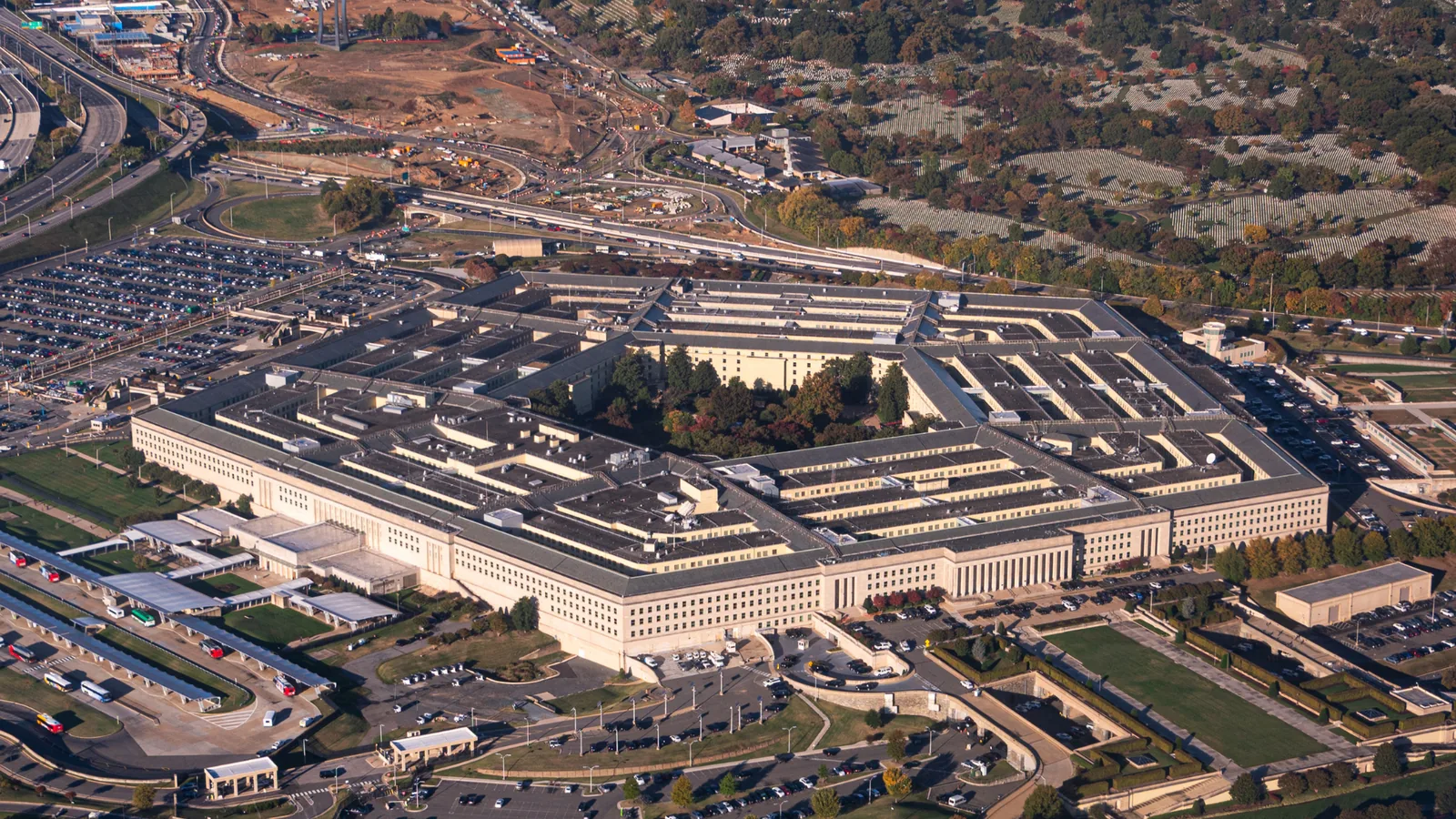
US defense officials considered invoking the 1950 Defense Production Act to pressure Nvidia to reinstate Jensen Huang as chief executive after his resignation, according to a Washington Post report cited by Tom's Hardware. Huang returned to the job earlier this week, with the board stressing candor and honesty. The episode matters because the Pentagon treats Nvidia advanced AI chips as vital to national security.
Production Act floated as leverage on board
Huang resigned after admitting to an affair with a suspected Chinese spy, then was reinstated on November 23. The company's board gave the founder his job back and reminded him of the importance of candor and honesty in the future. Before that decision, Defense Secretary Pete Hegseth and his senior deputy Steve Feinberg discussed whether the Defense Production Act could be used to influence Nvidia board, the report says. The law lets a president intervene in private business and is normally used to direct companies to supply the military during wartime.
The Act does not explicitly allow a president to install a specific person as chief executive. One of three people described as familiar with the discussions said officials could instead use it to force Nvidia to shift more production to military projects. That approach would have limited the company ability to sell components for profit, affecting production plans and the share price. President Donald Trump also pushed publicly for Huang return on several occasions, including remarks to reporters at the White House, and said he called into an Nvidia board meeting to press members 11 days after the resignation.
Why chip leadership affects security and jobs
For workers and investors, the direct link drawn between one executive and military chip supply raises concentration risk around Nvidia. The US military views Nvidia and its advanced AI chips as vital to national security, which helps explain the urgency in Washington. Trump and Huang have a close working relationship, underlined when Huang joined the president aboard Air Force One for a recent trip to China after initially being left off a delegation that included former Apple chief Tim Cook and SpaceX chief Elon Musk. Disruption to chip planning or sales priorities would affect data-center hiring, suppliers and shareholders.
The report is a claim about internal brainstorming, not proof the law could have legally forced a CEO appointment. Huang still faces questions from congressional China and Senate Banking committees, and Trump has said a pardon for the chief executive is always an option. The company chief could invoke the Fifth Amendment over fear of self-incrimination, the source notes. The story does not establish wrongdoing beyond the admitted affair or show how Nvidia customers outside defense work would have been affected.
// Read next
AI labs near cryptography breakthrough as expert panel prepares statement
A 21-expert cryptography panel lists a forthcoming statement as researchers point to an AI breakthrough in theoretical …
Musk: Google Wants to Rent More Computing Capacity From SpaceX
Elon Musk says Google is interested in renting additional computing power from SpaceX, a signal of how tight AI infrast…
RTX 5090 Cable Melt Triggers Air Quality Alarm in PC Owner Room
A Reddit user says a melting 12+4-pin cable on a Gigabyte RTX 5090 filled the room with particles and damaged the GPU p…
YouTuber builds working USB graphics card for 20 cents
Bitluni turned a 13-cent CH570 microcontroller into a monochrome USB graphics card using PWM video tricks and SRAM cach…