Nvidia brings back Jensen Huang after White House pressure
Nvidia reinstated founder Jensen Huang as CEO 11 days after his Nov. 12 resignation, with shares rebounding from about $130 to $165 after reported intervention by Trump.
AIXVZ
AI agents that sell for you. AIXVZ builds sales agents and automates routine business processes — from first contact to deal.
Learn more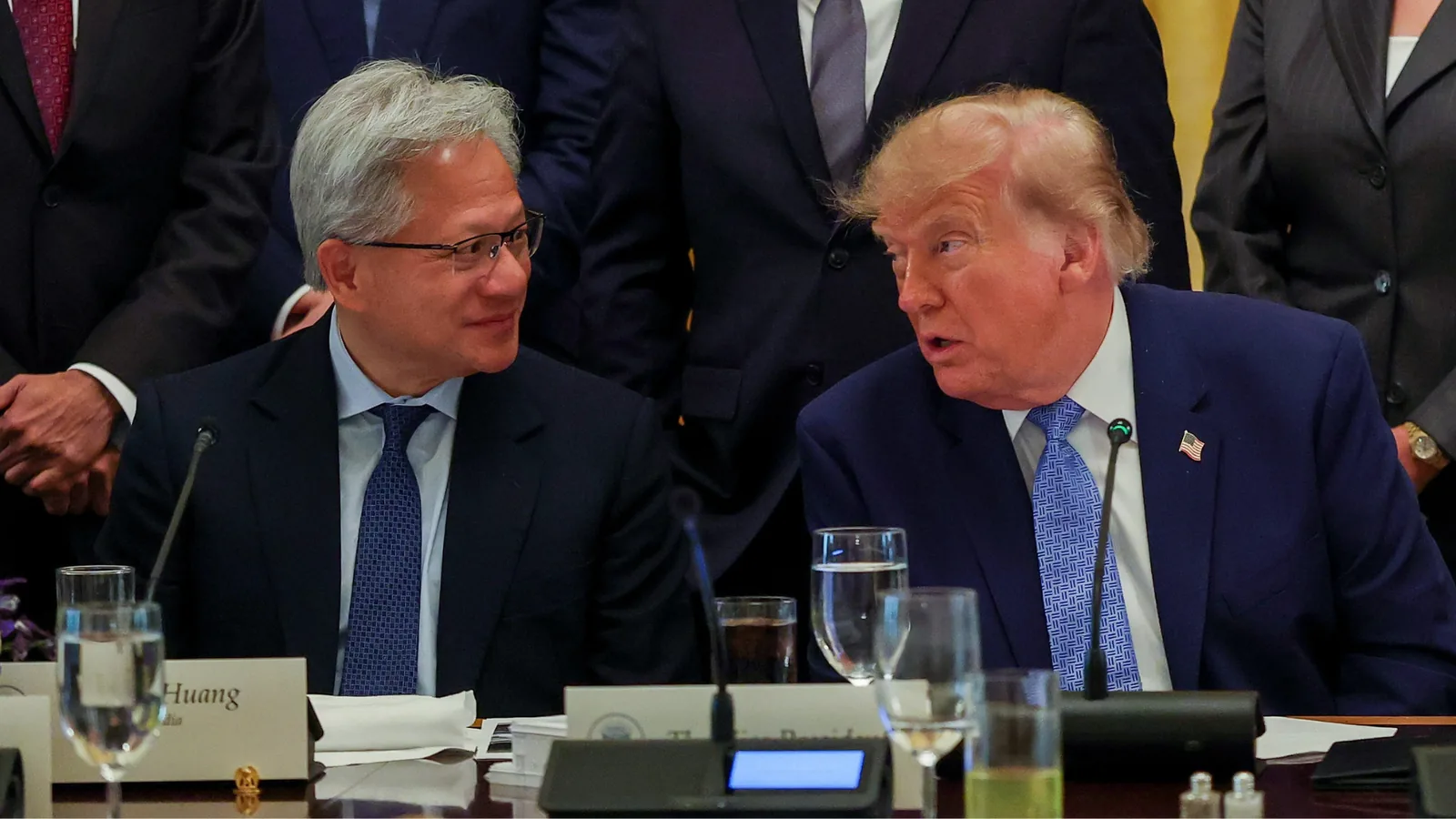
Nvidia has reinstated founder Jensen Huang as chief executive just 11 days after his resignation on November 12, following direct pressure from Washington. President Donald Trump said he spoke to the board directly and indirectly over the weekend to push for the return. Nvidia shares rose to around $165 after the decision, a rally of more than 25% from a prior close near $130.
Weekend calls, unanimous board vote and stock rebound
According to CNN, Trump worked alongside Vice President JD Vance and several cabinet members, talking to industry insiders, investors and the board itself to secure Huang's return. Trump told CNBC that he felt very strongly about the move and described Huang as one of the great stars back in play. The board voted unanimously to bring the founder back, a decision that had strong support from employees and supporters but had still surprised many observers.
The pressure campaign followed a sharp fall in Nvidia stock after Huang admitted to affairs and his future at the company came into question. The decline worsened after the November 12 resignation, with the rest of the market following lower. The report describes concern that Huang's downfall could drag Nvidia and the wider economy with him, potentially worsening fears around the AI trade. Trump called the reinstatement the only solution and said the rebound was taking the whole market higher.
What the intervention means for markets and governance
For workers and investors, the episode ties a single executive decision to portfolio value and market sentiment. Nvidia's move from around $130 to around $165 reversed a slide that had spread beyond the company, showing how concentrated market confidence has become around AI hardware leadership. It also signals that political leaders now treat stability at Nvidia as an economic issue, not only a corporate personnel matter, which can add volatility when leadership news emerges.
The story does not establish that Nvidia's business problems are resolved or that Huang faces no further scrutiny. The source notes ongoing investigations, questions about advanced Nvidia chips allegedly smuggled despite export controls, and concerns linked to an affair with a suspected Chinese spy. Trump said he consulted Attorney General Todd Blanche and Director of National Intelligence Jay Clayton, found nothing wrong, and assured the board Huang was not a national security threat and faced no criminal charges. The extent of White House influence over a private board remains disputed.
// Read next
AI labs near cryptography breakthrough as expert panel prepares statement
A 21-expert cryptography panel lists a forthcoming statement as researchers point to an AI breakthrough in theoretical …
Musk: Google Wants to Rent More Computing Capacity From SpaceX
Elon Musk says Google is interested in renting additional computing power from SpaceX, a signal of how tight AI infrast…
RTX 5090 Cable Melt Triggers Air Quality Alarm in PC Owner Room
A Reddit user says a melting 12+4-pin cable on a Gigabyte RTX 5090 filled the room with particles and damaged the GPU p…
YouTuber builds working USB graphics card for 20 cents
Bitluni turned a 13-cent CH570 microcontroller into a monochrome USB graphics card using PWM video tricks and SRAM cach…