Musk warns AI firms face cash crunch over compute costs in 2027
Musk says delays turning paid-for computing into revenue could leave AI firms needing hundreds of billions in working capital through 2027.
AIXVZ
AI agents that sell for you. AIXVZ builds sales agents and automates routine business processes — from first contact to deal.
Learn more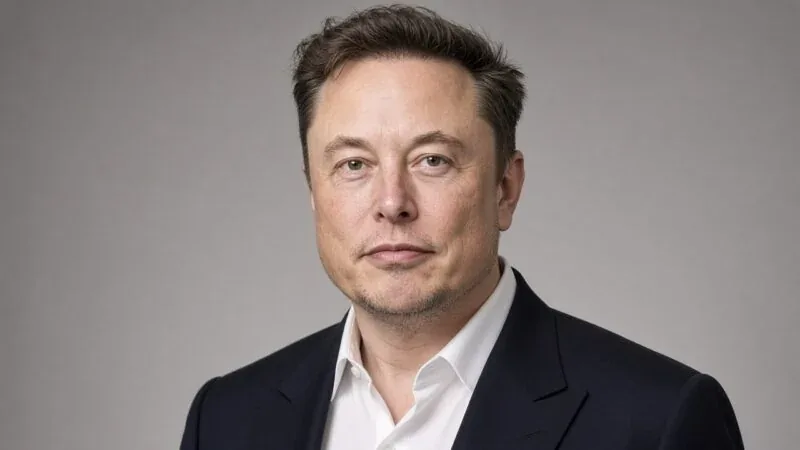
Elon Musk warned that the AI industry could face a cash shortage in 2027, saying firms may need hundreds of billions of dollars in extra working capital before computing investments turn profitable. The warning came on November 21, 2026, during a conversation on X with AI researcher Francois Chollet. For readers exposed through crypto, tech stocks or funds, the issue is liquidity rather than model quality.
Why paid compute may not earn fast enough
Musk argued that the problem is timing, not demand for AI. Companies must buy GPUs, build data centers and secure power long before customer payments for model queries arrive. Even delays of a few months in converting paid-for computing resources into revenue-generating assets could push additional working capital needs into the hundreds of billions of dollars. He has also pointed to physical limits on bringing compute online, including power and infrastructure constraints, while aiming for more than 10 GW of new capacity in 2027.
In October 2026, Musk disclosed that SpaceX had closed roughly 40 billion dollars in debt financing, mostly earmarked for GPU purchases expected to be deployed in early 2027. He said debt markets had largely shut down for neocloud providers, newer cloud firms renting out AI computing power, if they lack meaningful revenue outside AI data centers. He predicted consolidation or failures among more than 200 firms in the AI data center space, tied to weaker investor confidence and tighter credit. Goldman Sachs data showed nearly 600 billion dollars in global AI-related debt issuance year to date through late 2026, with AI capital expenditures nearing 1 trillion dollars for the year.
What tighter AI credit means for investors
The warning shifts attention from growth to the ability to fund operations through a cash-intensive 2027. The neocloud segment faces the closest pressure, because providers without revenue beyond AI data centers may struggle to borrow further. The hardware supply chain is central: limited GPU availability and delays in power connections can widen the gap between spending and revenue. For crypto holders, stress among AI borrowers could affect sentiment across risk assets, credit funds and tech-linked tokens, without changing the mechanics of Bitcoin or Ethereum themselves.
The account does not prove a sector-wide cash crisis will occur, only that Musk sees that risk from timing gaps and credit conditions. It is unknown how AI debt issuance will trend into 2027, how many neocloud firms will report funding trouble, and how quickly large GPU orders such as SpaceX's will deploy and generate revenue. Firms with diversified revenue and stronger balance sheets are less exposed than the 200-plus AI data center firms Musk described.
// Read next
FT: Russian VC revealed as multibillion-dollar Tether co-owner
Vitaly Bezrodnykh, founder of Fulgur Ventures, holds a previously undisclosed multibillion-dollar stake in Tether, per …
Binance wins conditional approval for Bhutan regional hub
Binance received in-principle approval from Bhutan’s Gelephu Central Bank to build an Asia hub, weeks after a $6.3 bill…
Bitcoin and gold are 2026's worst-performing major assets
Bitcoin is down 32% in 2026 and gold 16%, placing both at the bottom of the year's major-asset rankings — a pairing mar…
Kalshi fights states over prediction market taxes and gambling rules
New York, New Jersey and Kentucky are testing whether federal oversight shields Kalshi from state gambling laws as Bern…