Ledger Among 178 Sites Hit by Crypto Address-Swap Attack
Attackers hid address-swapping code in Optimizely snippets on 178 sites, stealing about $7,000 before the scripts were cleaned on Nov. 16.
AIXVZ
AI agents that sell for you. AIXVZ builds sales agents and automates routine business processes — from first contact to deal.
Learn more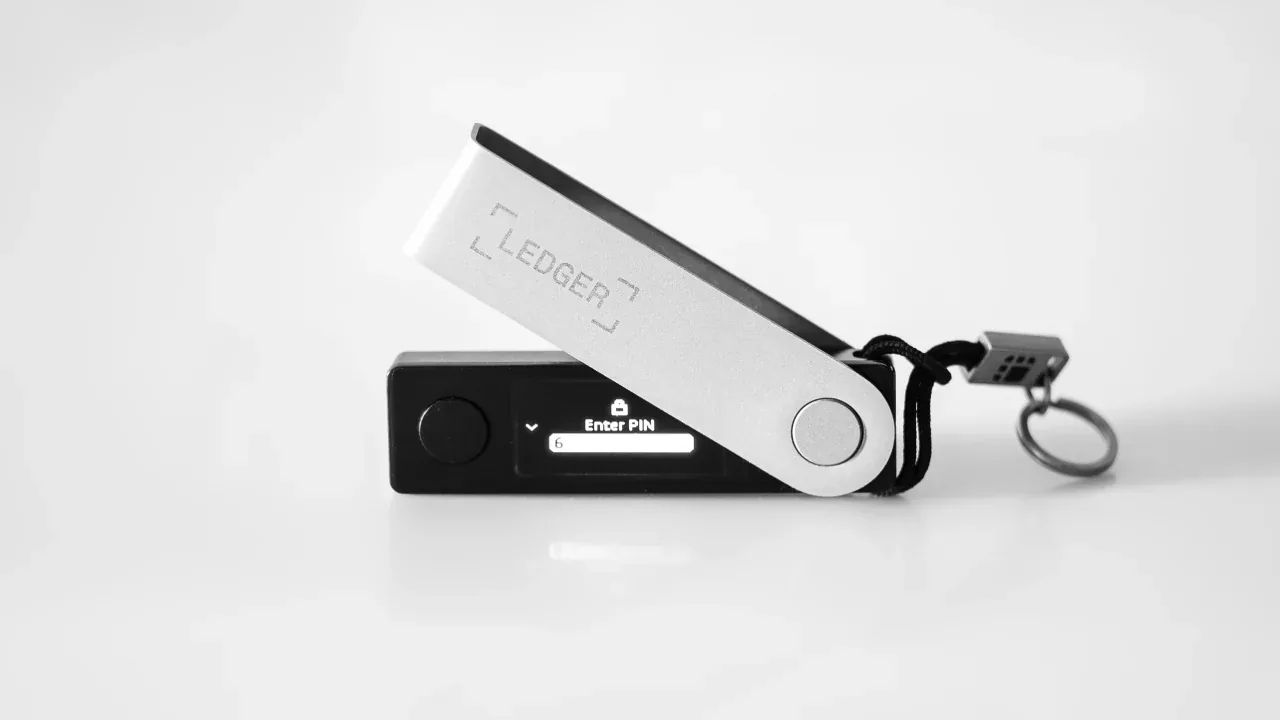
Hackers injected crypto-stealing code into the websites of 178 organizations, including Ledger, by abusing the Optimizely Web testing platform. Security firm Report URI found 188 infected Optimizely snippets after checking 1,611 projects, with wallets tied to the attack receiving about $7,000 by Monday. The incident matters because the malicious script could silently replace a copied wallet address while an affected site was open in any browser tab.
Trusted test script turned into theft tool
Optimizely Web allows companies to run A/B tests by loading a small JavaScript snippet from Optimizely servers on every page. The attacker did not break into the affected sites directly, but wrote malicious code into an optional custom-code field inside customers’ Optimizely projects, so browsers loaded it from a domain the sites already trusted. Affected brands included Zoom, the BBC, CNN, Salesforce, Gitlab, IKEA, HSBC, Equifax, Air France-KLM, Ledger and Peacock. The first crypto clipper build appeared at 08:10 UTC on Nov. 16, and stolen funds were moved to exchanges by 13:03 UTC.
The payload was described as a multi-purpose kit that swapped cryptocurrency addresses, skimmed payment cards, stole cookies and screenshots, and pushed exploit kits to older iPhones and iPads. The address swap, known as a clipper, exploits the habit of copying and pasting long wallet addresses without checking each character. Ledger’s presence is notable because its customers hold crypto and use its site for software downloads and setup guides. Report URI said Ledger’s snippet was cleaned at 20:41 UTC, during a mass cleanup between about 20:40 and 21:10 UTC, with only one infected snippet still live by 21:52 UTC.
How to check transfers from November 16
Optimizely confirmed the breach, saying an unauthorized party exploited a vulnerability in its Experimentation account signup flow. A spokesperson said the company blocked the vulnerable path, deployed a fix, removed injected code from affected projects, ended active sessions, revoked tokens and reset access for affected accounts. The company said it notified affected customers and is still investigating. One developer who rechecked the cleanup reported that the attacker’s payload server was still responding and put the stolen total at $7,040.
The episode does not prove that every visitor lost funds, and the confirmed crypto theft remains limited to about $7,000 in verified transactions to attacker wallets. Report URI advised anyone who visited an affected site on Nov. 16 to review crypto transfers made that day, compare destinations with intended addresses, and update iPhones and iPads to iOS 18.7.3 or later. The incident followed other security disclosures the same day, including a breach at Trezor’s shipping partner exposing buyer details and a separate breach at Lighter involving about $15 million.
// Read next
FT: Russian VC revealed as multibillion-dollar Tether co-owner
Vitaly Bezrodnykh, founder of Fulgur Ventures, holds a previously undisclosed multibillion-dollar stake in Tether, per …
Binance wins conditional approval for Bhutan regional hub
Binance received in-principle approval from Bhutan’s Gelephu Central Bank to build an Asia hub, weeks after a $6.3 bill…
Bitcoin and gold are 2026's worst-performing major assets
Bitcoin is down 32% in 2026 and gold 16%, placing both at the bottom of the year's major-asset rankings — a pairing mar…
Kalshi fights states over prediction market taxes and gambling rules
New York, New Jersey and Kentucky are testing whether federal oversight shields Kalshi from state gambling laws as Bern…