Knoxville police will send drones to 911 calls in 90 seconds
Knoxville police will launch semi-autonomous drones from 12 Skydio docks, reaching most of the city in 90 seconds to support officers.
AIXVZ
AI agents that sell for you. AIXVZ builds sales agents and automates routine business processes — from first contact to deal.
Learn more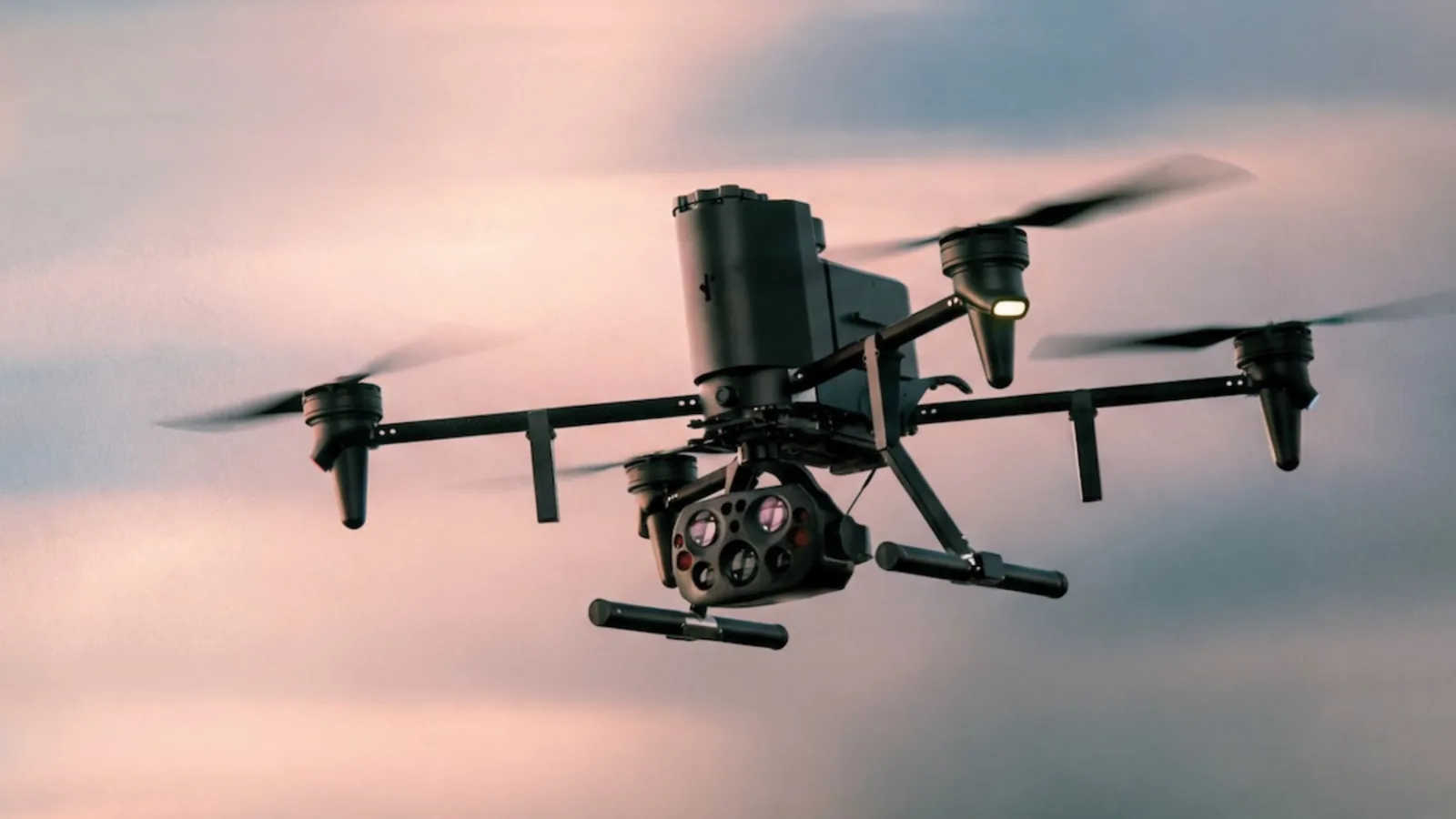
Knoxville Police Department has launched a Drone as First Responder program with drones dispatched from 12 docks across the city. The semi-autonomous aircraft can launch within seconds of a 911 call and reach nearly any area within 90 seconds, providing real-time awareness during rapidly evolving events.
Skydio docks launch drones before officers arrive
The department says the 12 docks are located at city-owned facilities and allow deployment within seconds of a call being received. The specific drone model has not been confirmed, but the docks are supplied by Skydio. In some cases the aircraft are expected to arrive faster than the officer they are assigned to support, giving that officer advance information about the scene. Drones will not be sent to every 911 call, only to incidents where aerial coverage may assist the overall response and improve safety for officers and the public.
The program follows similar experiments in other U. S. cities, including reported trials of Flock systems last month, while vendors have also marketed Starlink-connected responder drones. The concept centers on situational awareness rather than transport or intervention: a camera in the sky observes the location, movement and potential risks before ground units arrive. Knoxville officials say the goal is to reduce risk to both the community and police officers by clarifying what is happening at the location while events are still developing.
What 90-second response means for privacy and jobs
For residents, the practical change is faster observation of emergencies such as disturbances, crashes or incidents in hard-to-access areas, which can shape how quickly and with what resources police respond. For police work, it shifts part of initial assessment from on-scene arrival to remote video, increasing demand for operators, dispatch coordination and video handling while reducing reliance on initial radio descriptions alone. The department states the drones carry no facial recognition or license plate reader technology and will not be used for random patrols or surveillance, which is prohibited by department policy and state law.
The privacy limits described do not eliminate recording. All flights will capture video, with footage purged after 15 days unless retained as evidence in a criminal investigation or prosecution. The department has not detailed retention procedures, access controls or audit methods beyond that policy. The announcement also does not specify operating hours, staffing, cost, or which call types qualify beyond cases where aerial coverage may be useful.
// Read next
AI labs near cryptography breakthrough as expert panel prepares statement
A 21-expert cryptography panel lists a forthcoming statement as researchers point to an AI breakthrough in theoretical …
Musk: Google Wants to Rent More Computing Capacity From SpaceX
Elon Musk says Google is interested in renting additional computing power from SpaceX, a signal of how tight AI infrast…
RTX 5090 Cable Melt Triggers Air Quality Alarm in PC Owner Room
A Reddit user says a melting 12+4-pin cable on a Gigabyte RTX 5090 filled the room with particles and damaged the GPU p…
YouTuber builds working USB graphics card for 20 cents
Bitluni turned a 13-cent CH570 microcontroller into a monochrome USB graphics card using PWM video tricks and SRAM cach…