Intel Nova Lake leak details seven desktop chips up to 5.5 GHz
A leaked document describes seven Intel Nova Lake-S desktop chips with 22 to 28 cores, DDR5-8000 support and launch timing pointed to early 2027.
AIXVZ
AI agents that sell for you. AIXVZ builds sales agents and automates routine business processes — from first contact to deal.
Learn more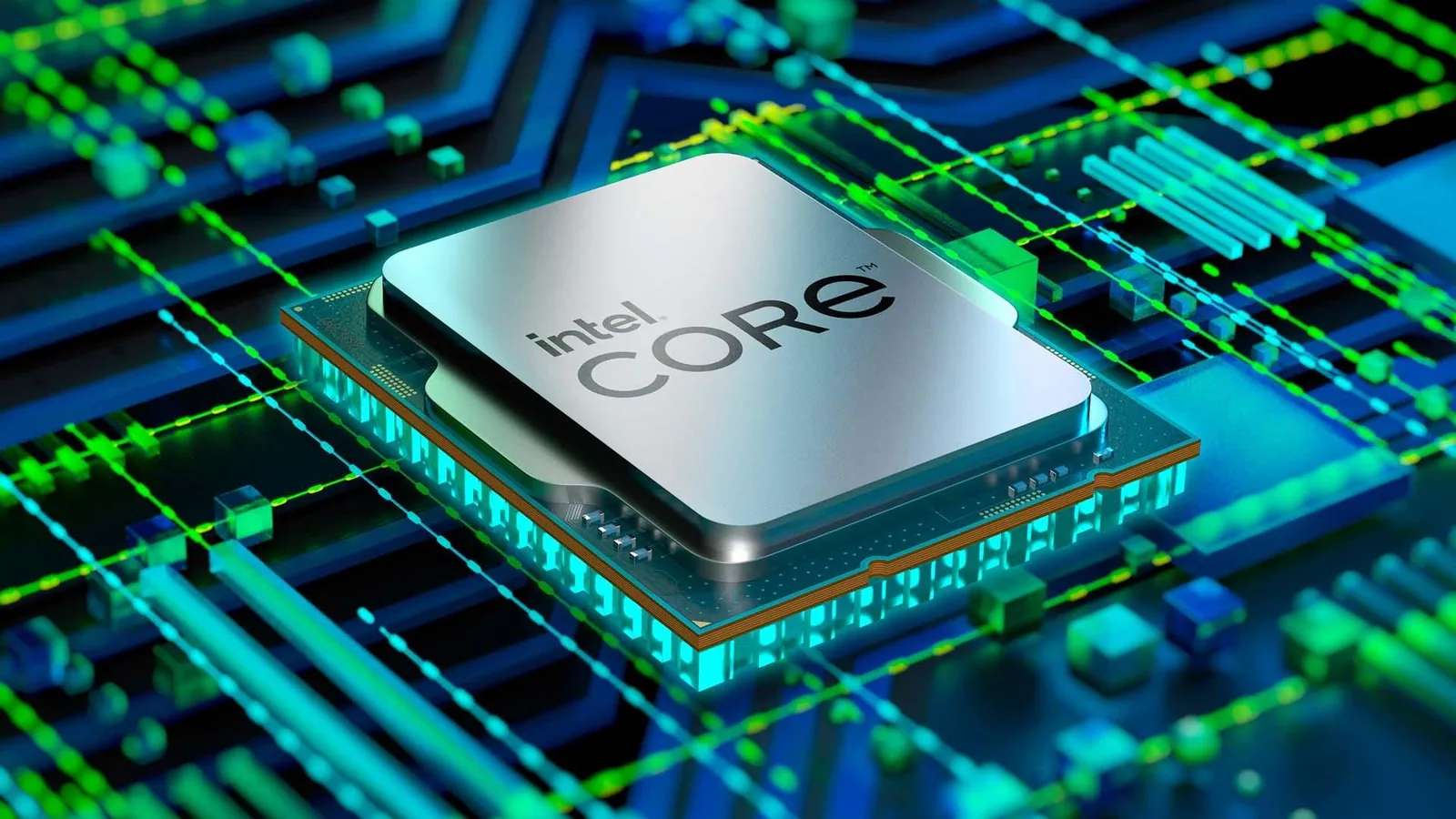
Intel is preparing seven Nova Lake-S desktop processors led by a 28-core Core Ultra 9 4970K BFC with boost clocks up to 5.5 GHz, according to a leaked document reported by VideoCardz. The lineup spans 22 to 28 cores, 125-watt ratings for most unlocked models, and support for DDR5-8000 memory. The leak matters because a desktop upgrade in 2027 will require a new motherboard, raising the cost of staying on Intel.
Seven leaked chips, clocks and memory specs
The document reportedly covers C1 stepping qualification samples, a late testing stage where clock speeds and performance usually change little before shipment, though Intel warns the figures may still change. The top Core Ultra 9 4970K BFC is listed with eight performance cores, 16 efficiency cores and four low-power efficiency cores, a 2.7 GHz base efficiency clock, 5.5 GHz performance-core boost, 144 MB of L3 cache and a 125-watt rating. A Core Ultra 9 4950K is listed with the same core count and almost identical clocks but only 36 MB of L3 cache. A locked 65-watt Core 9 4900 BFC is listed with 22 cores and 120 MB of L3 cache.
The mid-range is represented by the Core Ultra 7 4870K and 4850K, both listed with 24 cores, 125-watt ratings and 5.2 GHz boost speeds, differing mainly in cache at 144 MB and 36 MB respectively. The entry models, the Core Ultra 5 4650K and 4650KF, are listed with 22 cores, 30 MB of L3 cache, 125-watt ratings and 5.1 GHz boost clocks. All seven chips are listed with DDR5-8000 support, up from DDR5-6400 on Arrow Lake-S, plus up to 256 GB of memory, 24 CPU PCIe lanes and a 77 TOPS integrated NPU. Integrated graphics are listed at 2.9 to 3.1 GHz with DNx, XAVC, JPEG-XS, VVC and AV1 High and Professional decoding support.
What a 2027 upgrade means for PC owners
For workers and home PC owners, the practical effect is a faster upgrade path for multithreaded work, video handling and on-device AI, but at the price of a platform change. The higher DDR5 ceiling and larger cache options on BFC models point to better responsiveness in editing, compilation and large datasets, while the integrated NPU provides local acceleration without a discrete card. Anyone planning a build in 2026 should weigh whether to buy now or wait, since new boards will be required and compatible motherboards are expected to appear at CES in Las Vegas in January ahead of the chips.
The report remains a leak, not an Intel announcement. Clock speeds, cache sizes and model names could change, and Intel has previously been linked to an event in Berlin between February 22 and 25, 2026, with wider availability discussed for early 2027. A separate report about a 5.1 GHz limit above 90 degrees Celsius would affect only hot-running systems with weak cooling. The leak does not prove retail pricing, power use under load, or real performance against current chips.
// Read next
AI labs near cryptography breakthrough as expert panel prepares statement
A 21-expert cryptography panel lists a forthcoming statement as researchers point to an AI breakthrough in theoretical …
Musk: Google Wants to Rent More Computing Capacity From SpaceX
Elon Musk says Google is interested in renting additional computing power from SpaceX, a signal of how tight AI infrast…
RTX 5090 Cable Melt Triggers Air Quality Alarm in PC Owner Room
A Reddit user says a melting 12+4-pin cable on a Gigabyte RTX 5090 filled the room with particles and damaged the GPU p…
YouTuber builds working USB graphics card for 20 cents
Bitluni turned a 13-cent CH570 microcontroller into a monochrome USB graphics card using PWM video tricks and SRAM cach…