Hospital AI Engineer Shows Why Prompt Skills Are Not Enough
Boston Children’s hired ER doctor Dinesh Rai as a prompt engineer in 2023, but better models shifted his work to building trusted clinical AI systems.
AIXVZ
AI agents that sell for you. AIXVZ builds sales agents and automates routine business processes — from first contact to deal.
Learn more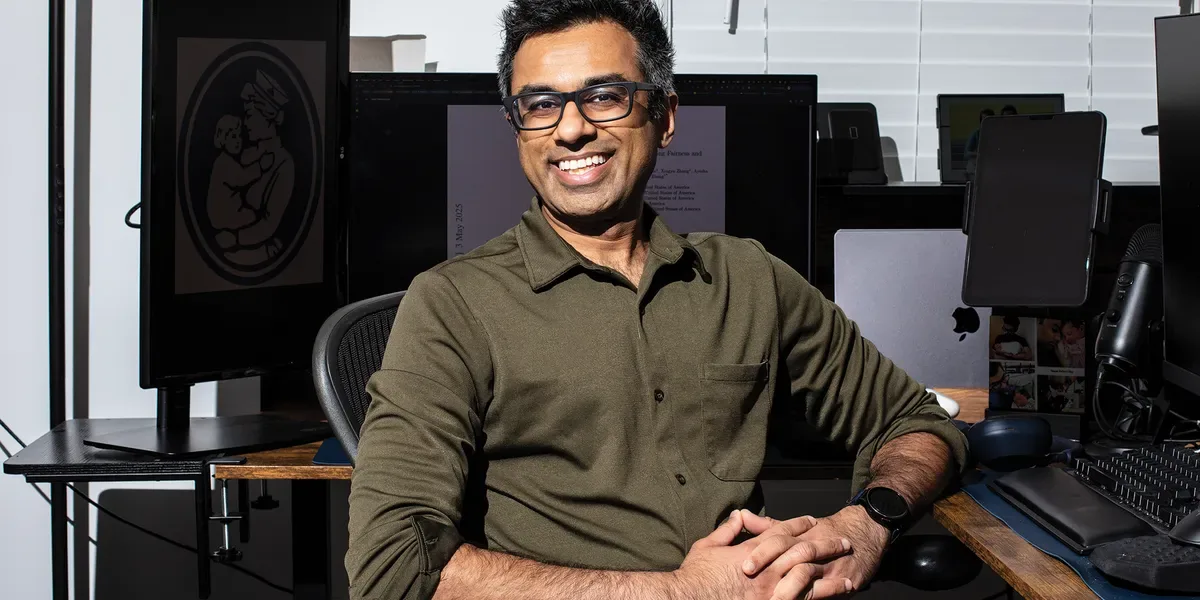
Boston Children’s Hospital hired emergency physician Dinesh Rai in August 2023 for a prompt engineer role, then watched the job change completely. Three years later Rai calls himself a clinical AI engineer, spending half his day coding with developers and half working with clinicians. The shift matters because elaborate prompting lost value as models improved, while embedding AI safely into care became the harder work.
From prompt tricks to clinical systems
Rai trained in emergency medicine, taught himself to code in 2014 before medical school, and completed a 2021-22 fellowship in clinical informatics. He built a residency-tracking platform called Academius in medical school, then joined health care AI company Pieces in 2022 to lead work on LLM-based medical summarization. At Boston Children’s, early expectations centered on wording instructions, supplying examples and giving models personas. Chief innovation officer John Brownstein said the hospital first needed internal expertise on how to begin using AI.
That context changed fast. Better models made elaborate prompting less important, Brownstein said, moving focus to operations and agents that manage daily work. One project, called clinical doppelgangers, aims to help doctors find similar past cases in historical data when published guidelines based on large populations offer little help for rare diseases. Another platform drafts clinical notes for review. Rai stepped away from practicing medicine to focus on technology, has since reactivated his license, and hopes to return to clinical practice in some capacity within the next year.
What safer hospital AI means for patients
For patients and clinicians, the practical change is validation before trust. Rai described deciding how much record data to give a model asked to link findings to a clinical outcome. Developers assumed more data helped, clinicians assumed the model would ignore irrelevance, but Rai warned an LLM may invent a plausible link for an abnormal lab or vital sign. For the notes tool, clinicians who had cared for a cardiac intensive care patient for weeks reviewed generated drafts before finalization, catching errors a later chart skim would miss.
This story does not prove AI is ready to guide rare-disease care or replace chart review. The doppelganger system is described as an additional evidence source, not a replacement for randomized trials, and the notes tool is framed as support for judgment. Skepticism among staff remains, which Rai calls healthy. The durable skill he cites is not prompting but domain knowledge: how workflows run, how record data is created, and whether context supports the answer.
// Read next
AI labs near cryptography breakthrough as expert panel prepares statement
A 21-expert cryptography panel lists a forthcoming statement as researchers point to an AI breakthrough in theoretical …
Musk: Google Wants to Rent More Computing Capacity From SpaceX
Elon Musk says Google is interested in renting additional computing power from SpaceX, a signal of how tight AI infrast…
RTX 5090 Cable Melt Triggers Air Quality Alarm in PC Owner Room
A Reddit user says a melting 12+4-pin cable on a Gigabyte RTX 5090 filled the room with particles and damaged the GPU p…
YouTuber builds working USB graphics card for 20 cents
Bitluni turned a 13-cent CH570 microcontroller into a monochrome USB graphics card using PWM video tricks and SRAM cach…