Hong Kong moves to license crypto custodians and advisers
Hong Kong published a bill to license crypto custody, advice, dealing and management, with a first reading set for Dec. 2 and SFC oversight.
AIXVZ
AI agents that sell for you. AIXVZ builds sales agents and automates routine business processes — from first contact to deal.
Learn more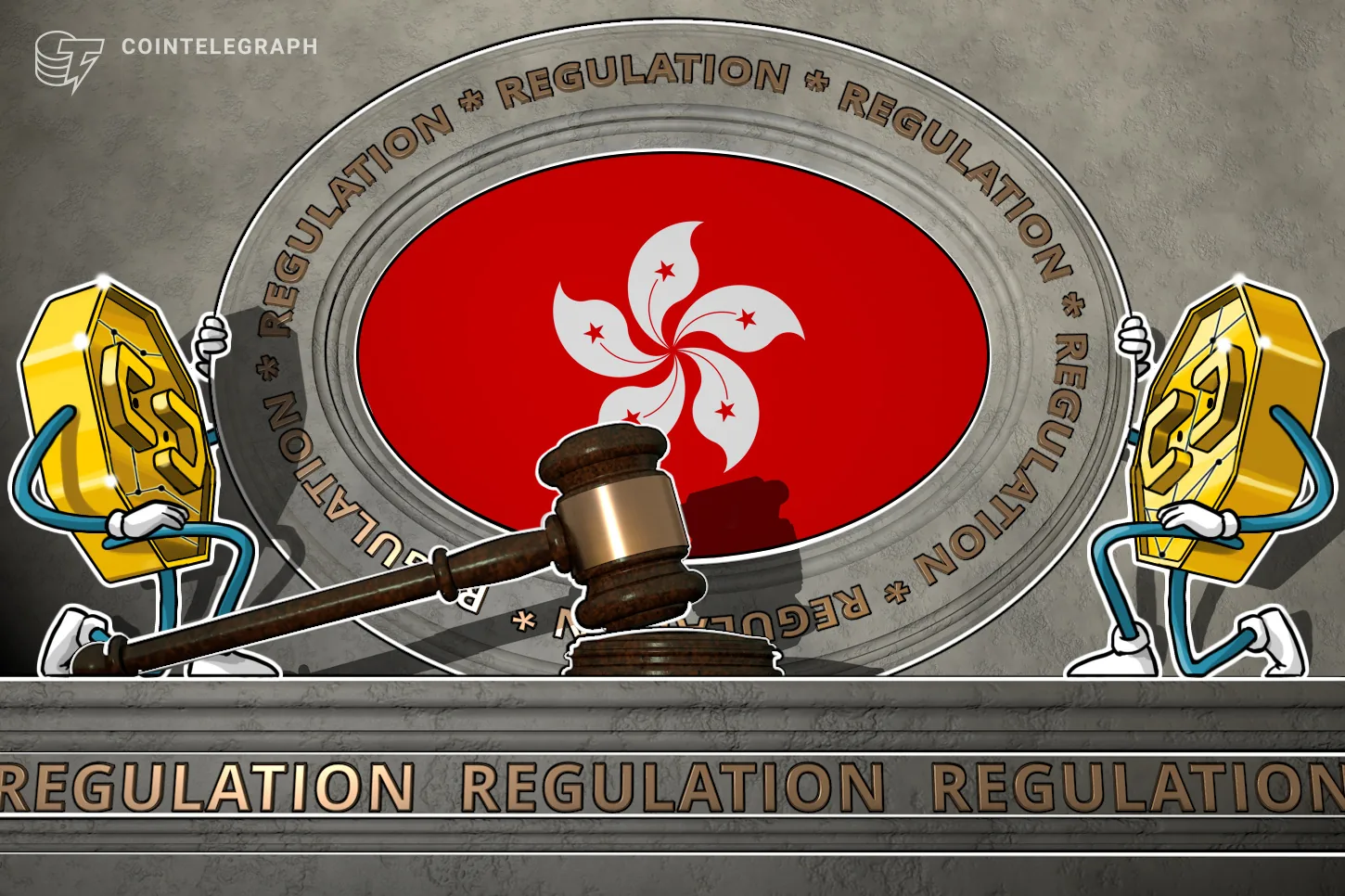
Hong Kong published a bill that would require crypto custodians, advisers, dealers and managers to hold a license or register with the Securities and Futures Commission. The Virtual Asset Services Legislation (Amendment) Bill 2026 is set for its first reading in the Legislative Council on Dec. 2. The move matters because custody and advice affect how ordinary investors store assets and receive guidance.
SFC licensing for four crypto activities
The government officially published the bill on Friday, proposing to regulate four activities involving virtual assets: dealing, advisory, management and custody. Firms carrying out those activities would need to obtain a license from or register with the Securities and Futures Commission. The proposal would amend the Anti-Money Laundering and Counter-Terrorist Financing Ordinance and apply fit-and-proper checks and other regulatory requirements to providers. Banks and stored-value facility licensees supervised by the Hong Kong Monetary Authority would also have to register with the SFC to offer virtual asset services.
SFC chief executive Julia Leung said the proposal would strengthen investor protections and provide clearer paths for responsible innovation. The publication follows a statement in October that Hong Kong would introduce legislation covering those four activities before the end of 2026, after consultations on the proposed framework. Until now, oversight focused largely on trading platforms, while the new bill would extend mandatory licensing or registration to other virtual asset service providers. The expanded regime has raised implementation concerns among industry professionals about continuity of business during the shift.
What tighter custody rules mean for investors
For people who hold crypto through a service or rely on advice and managed products, the change would mean dealing with firms subject to identity, competence and conduct checks by the securities regulator. Licensed custody in particular concerns control of private keys, segregation of client assets and internal controls, areas where failures have led to losses in past platform collapses. Registration of banks and stored-value facility licensees with the SFC would also create a single securities-regulator touchpoint for virtual asset services, even when the firm is already supervised by the monetary authority.
The bill does not by itself show how strict final custody, capital or insurance standards will be, as those details would sit in later rules and licensing conditions. It also does not resolve the transition question raised in January by the Hong Kong Securities and Futures Professionals Association, which warned that without transitional arrangements existing businesses could have to suspend operations while applications are reviewed. That group called for a six- to 12-month grace period. The proposal therefore affects firms planning to offer the four listed services, not every person who holds crypto directly.
// Read next
FT: Russian VC revealed as multibillion-dollar Tether co-owner
Vitaly Bezrodnykh, founder of Fulgur Ventures, holds a previously undisclosed multibillion-dollar stake in Tether, per …
Binance wins conditional approval for Bhutan regional hub
Binance received in-principle approval from Bhutan’s Gelephu Central Bank to build an Asia hub, weeks after a $6.3 bill…
Bitcoin and gold are 2026's worst-performing major assets
Bitcoin is down 32% in 2026 and gold 16%, placing both at the bottom of the year's major-asset rankings — a pairing mar…
Kalshi fights states over prediction market taxes and gambling rules
New York, New Jersey and Kentucky are testing whether federal oversight shields Kalshi from state gambling laws as Bern…