Futurebit Puts Apollo III Bitcoin Miner on Micro Center Shelves
Futurebit will sell its Apollo III home miner at four Micro Center stores from Nov. 13 as solo miners record 38 block wins in 2026.
AIXVZ
AI agents that sell for you. AIXVZ builds sales agents and automates routine business processes — from first contact to deal.
Learn more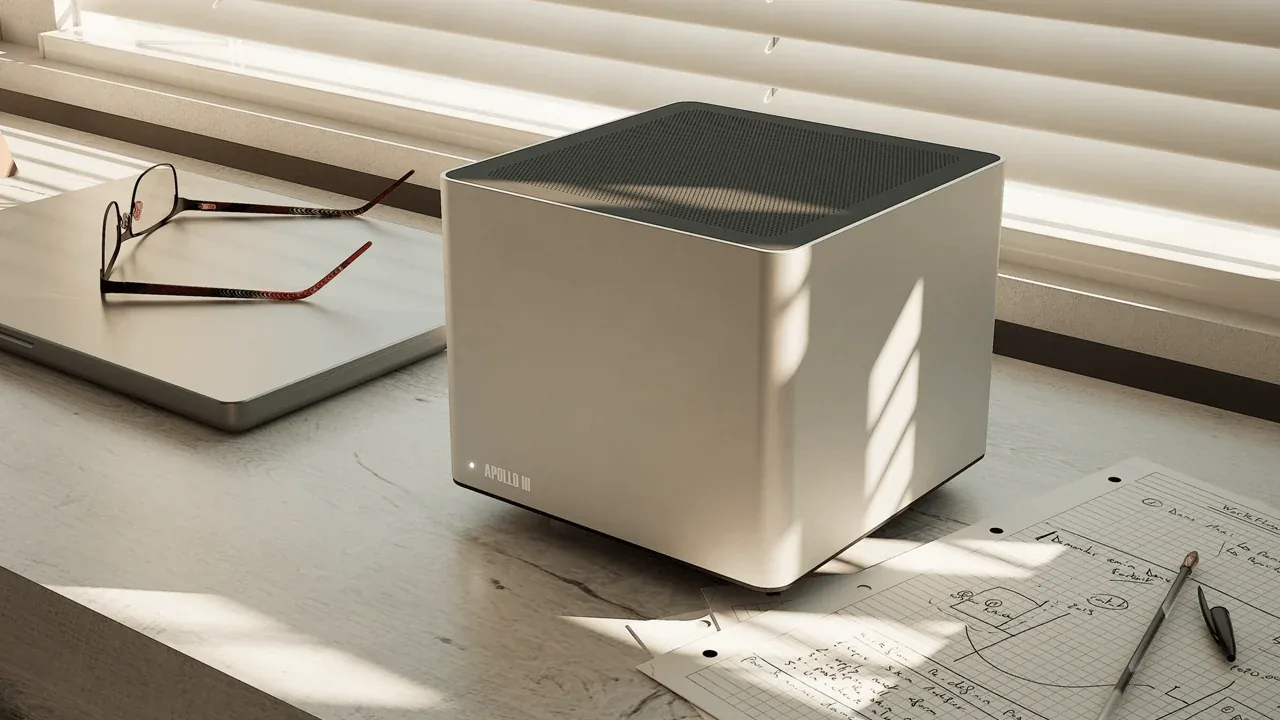
Futurebit will sell its Apollo III home bitcoin mining machine at four Micro Center stores starting Nov. 13, marking its first move into physical retail. The rollout covers Brooklyn, Miami, Tustin and Austin, with online reservation for in-store pickup. The timing follows 38 documented solo-mining block discoveries in 2026, including a reward worth about $230,000.
Apollo III specs and four-store rollout
Brooklyn-based Futurebit said the Apollo III Full Node will be available at Micro Center locations in Brooklyn, New York; Miami, Florida; Tustin, California; and Austin, Texas. The launch coincides with the grand opening of Micro Center's new Austin location. Customers can examine the hardware in store and reserve machines online for pickup. Futurebit founder John Stefanopoulos said the team once made weekly trips to the Brooklyn Micro Center to buy parts for early prototypes.
Futurebit unveiled the Apollo III in February as a desktop-sized system built around American-engineered 3-nanometer ASIC chips. It delivers up to 18 terahash per second in Turbo mode, while Eco mode offers efficiency of up to 15 joules per terahash. The unit includes a full Bitcoin node, built-in solo mining capability, an eight-core ARM processor, 8GB of RAM and up to 2TB of storage. That design lets users validate Bitcoin transactions independently and attempt to mine blocks without joining an external mining pool.
Why solo block wins remain extremely rare
For a normal buyer, the machine is best understood as a way to run network infrastructure at home rather than a source of steady income. Solo miners compete against a network computing power of around 1,000 exahash per second, so an 18 terahash device controls only a tiny share. A block reward can be large when it happens, but the statistical wait can stretch to decades or centuries. The practical value is learning how mining and validation work, supporting decentralization, and avoiding reliance on large industrial miners and pools.
This story does not show that home mining is profitable or likely to find a block. The 38 solo wins in 2026 include varied setups, from a Futurebit Apollo that found block 973262 in late October to a palm-sized Bitaxe at about 1 terahash that found a block in July. Another miner found a block with about 16.2 terahash the day after the Apollo win. Electricity costs, noise, heat and hardware wear are not detailed in the announcement and will affect any household decision.
// Read next
FT: Russian VC revealed as multibillion-dollar Tether co-owner
Vitaly Bezrodnykh, founder of Fulgur Ventures, holds a previously undisclosed multibillion-dollar stake in Tether, per …
Binance wins conditional approval for Bhutan regional hub
Binance received in-principle approval from Bhutan’s Gelephu Central Bank to build an Asia hub, weeks after a $6.3 bill…
Bitcoin and gold are 2026's worst-performing major assets
Bitcoin is down 32% in 2026 and gold 16%, placing both at the bottom of the year's major-asset rankings — a pairing mar…
Kalshi fights states over prediction market taxes and gambling rules
New York, New Jersey and Kentucky are testing whether federal oversight shields Kalshi from state gambling laws as Bern…