FCC urged to judge robots by software control, not origin
Brain Corp CEO says connected robots with cameras and remote updates should be regulated by who controls their code and data, not where they were assembled.
AIXVZ
AI agents that sell for you. AIXVZ builds sales agents and automates routine business processes — from first contact to deal.
Learn more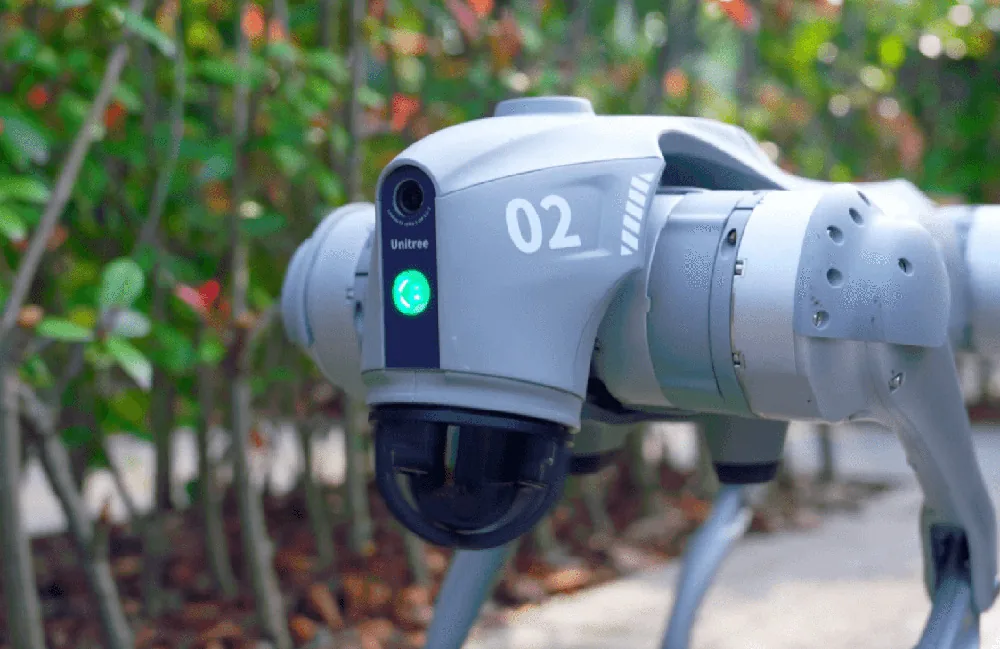
Brain Corp chief executive David Pinn urged U. S. regulators to judge connected robots by who controls their software rather than where they were built, after Federal Communications Commission action restricting foreign-produced advanced robotic devices. The machines carry cameras and sensors, transmit data, accept remote software updates and make decisions in factories, warehouses, stores and airports. For buyers and workers, the question is who can push code and see the data.
Why software defines the covered robot
The FCC has defined a covered device around software, including firmware and AI or machine-learning model weights that control navigation, perception, data collection and remote command and control. Pinn wrote that the agency identified the layer that matters and should now make that layer the standard. His argument is that assembly location reveals little about post-deployment control, while code, data flows and update rights determine the risk. Brain Corp builds autonomy software and says its technology runs on more than 50,000 robots on six continents, with more than 25 million hours of autonomous operation.
At that scale, Pinn said the failures that matter are rarely in hardware but in how software gets updated, who can reach the machine and what happens in unanticipated situations. Robots rely on open-source libraries, globally trained models and international engineering teams, so tracking where code was written is not enough. He proposed a provenance of control test that is demonstrated rather than declared. Any robot in sensitive or public settings, regardless of parts origin, should show who can push code, where data goes and is processed, and how remote access is granted, logged and revoked.
What buyers should demand from vendors
The practical checklist includes signed and verified updates before execution, blocking of unauthorized code, measured fleet-wide patch times for new vulnerabilities, and independent audits and certifications. Pinn also called for an independent safety layer that AI cannot override, with sensor data checking the model rather than deferring to it. When a chatbot errs the result is a bad answer, while a robot error can produce unsafe behavior beside a worker or in a crowded aisle. Deterministic constraints beneath the intelligence layer should stop an unsafe action proposed by a model.
The proposal does not replace the FCC restriction and does not prove that U. S.-built machines are safe or that foreign-built machines are unsafe. It reflects the position of one software vendor, not a final rule, and leaves open how audits would work and what counts as a sensitive setting. Developers can publish compliance now and enterprise buyers can require it in procurement, but voluntary practice remains distinct from regulation.
// Read next
AI labs near cryptography breakthrough as expert panel prepares statement
A 21-expert cryptography panel lists a forthcoming statement as researchers point to an AI breakthrough in theoretical …
Musk: Google Wants to Rent More Computing Capacity From SpaceX
Elon Musk says Google is interested in renting additional computing power from SpaceX, a signal of how tight AI infrast…
RTX 5090 Cable Melt Triggers Air Quality Alarm in PC Owner Room
A Reddit user says a melting 12+4-pin cable on a Gigabyte RTX 5090 filled the room with particles and damaged the GPU p…
YouTuber builds working USB graphics card for 20 cents
Bitluni turned a 13-cent CH570 microcontroller into a monochrome USB graphics card using PWM video tricks and SRAM cach…