FCC clears SpaceX plan for 1 million orbital data centers
The FCC authorized SpaceX to deploy up to 1 million compute satellites by 2040, with the first 747-sized AI unit due by 2033 despite safety objections.
AIXVZ
AI agents that sell for you. AIXVZ builds sales agents and automates routine business processes — from first contact to deal.
Learn more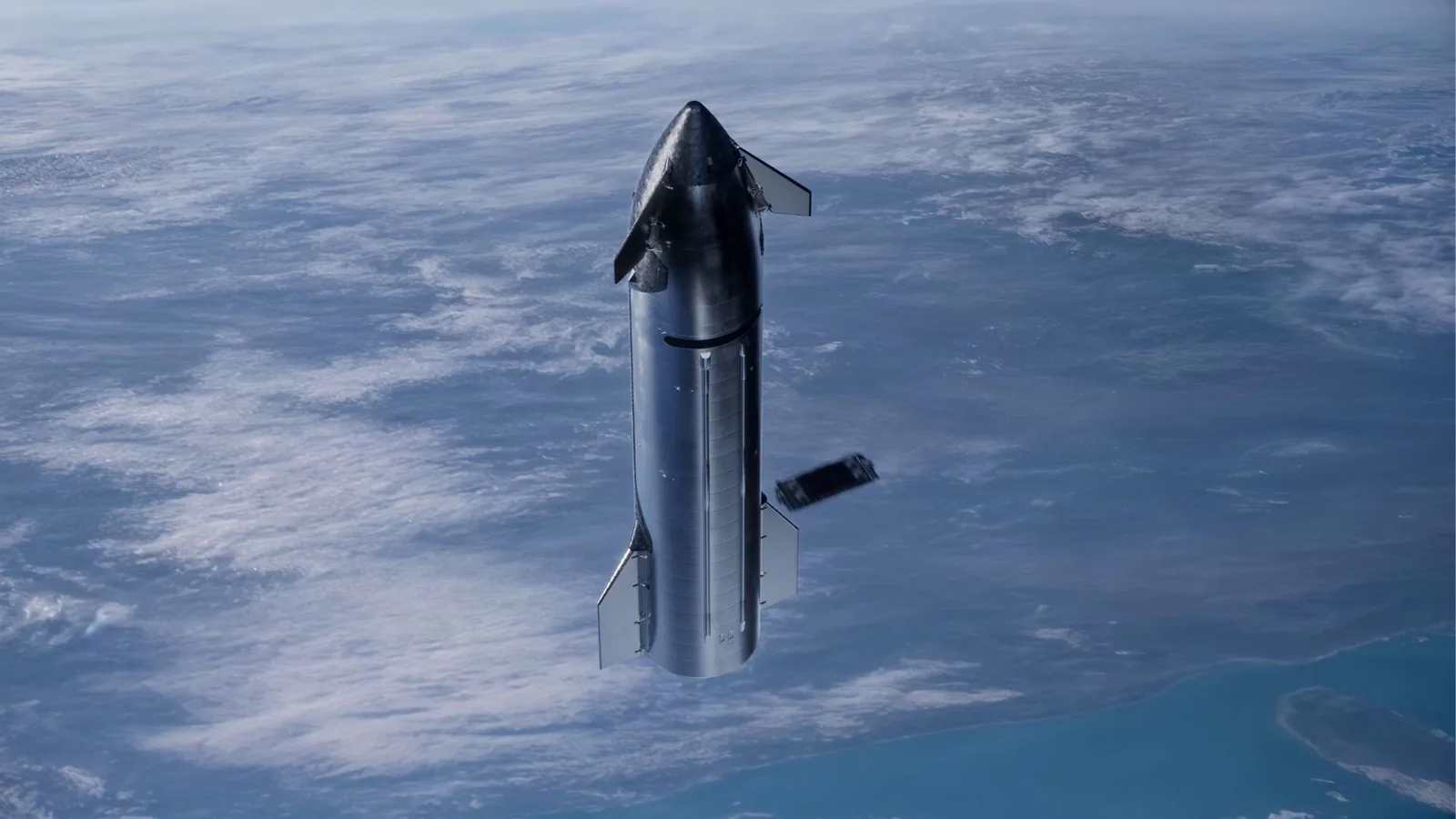
SpaceX received Federal Communications Commission approval to build Starmind, a constellation of up to 1 million orbital compute modules for data centers in space. The authorization requires the first data center satellite by 2033 and full deployment by 2040. The decision matters because it moves power-hungry AI computing off the ground grid and into orbit.
Starmind deadlines, design and objections
SpaceX sought approval for the project, dubbed Starmind, in February 2026. The company has said the effort is aimed at turning humanity into a Kardashev II-level civilization that directly harvests energy from its nearby star. FCC chairperson Brendan Carr said America is leading the world into the era of super intelligence and described the authorization as the first ever for 1 million orbital compute modules. He said it could unite strengths in space and advanced technology and expand prosperity at home.
The approval came despite objections from Amazon, satellite operator Viasat, and the American Astronomical Society, according to The Wall Street Journal. Amazon said SpaceX did not provide details about its deployment plan and satellite design. The American Astronomical Society said the growing number of satellites could disrupt Earth-bound astronomical observation and research. Another concern is Kessler Syndrome, in which orbiting debris collides with a satellite, creates more debris, and triggers further collisions that could limit access to space for decades.
What orbital servers mean for work and costs
For workers and businesses that rely on AI, orbital capacity could change where computing lives and what constrains it. Data centers on the ground face increasing opposition, including around SpaceX campuses near the border of Mississippi and Tennessee. Moving part of that load to solar-powered orbit could ease local pressure over land, electricity and cooling, while tying AI services more closely to launch schedules, satellite lifespans and space operations. SpaceX has unveiled its first compute satellite design, AI1, with a 120kW compute payload and a span wider than a Boeing 747, to be launched by its Starship vehicle now in development.
The plan does not prove that large-scale computing in orbit will be safe, affordable or on schedule. Competitors are still at test stage: Intel proposed two-tier low-earth orbit data center satellites in August, China placed its Supercomputing-1 satellite in orbit in September, Google launched Project Suncatcher in October with four TPUs and 1,000 watts of solar power, and startup Starcloud targets a second spacecraft in 2027. The FCC dates apply only to SpaceX deployment milestones, not to performance, cost or debris risk.
// Read next
AI labs near cryptography breakthrough as expert panel prepares statement
A 21-expert cryptography panel lists a forthcoming statement as researchers point to an AI breakthrough in theoretical …
Musk: Google Wants to Rent More Computing Capacity From SpaceX
Elon Musk says Google is interested in renting additional computing power from SpaceX, a signal of how tight AI infrast…
RTX 5090 Cable Melt Triggers Air Quality Alarm in PC Owner Room
A Reddit user says a melting 12+4-pin cable on a Gigabyte RTX 5090 filled the room with particles and damaged the GPU p…
YouTuber builds working USB graphics card for 20 cents
Bitluni turned a 13-cent CH570 microcontroller into a monochrome USB graphics card using PWM video tricks and SRAM cach…