CZ says Nvidia was wrong to let Jensen Huang resign after probe
Nvidia accepted Jensen Huang resignation on Nov. 11, named Colette Kress interim CEO, while CZ criticized the move and crypto traders shorted NVDA exposure.
AIXVZ
AI agents that sell for you. AIXVZ builds sales agents and automates routine business processes — from first contact to deal.
Learn more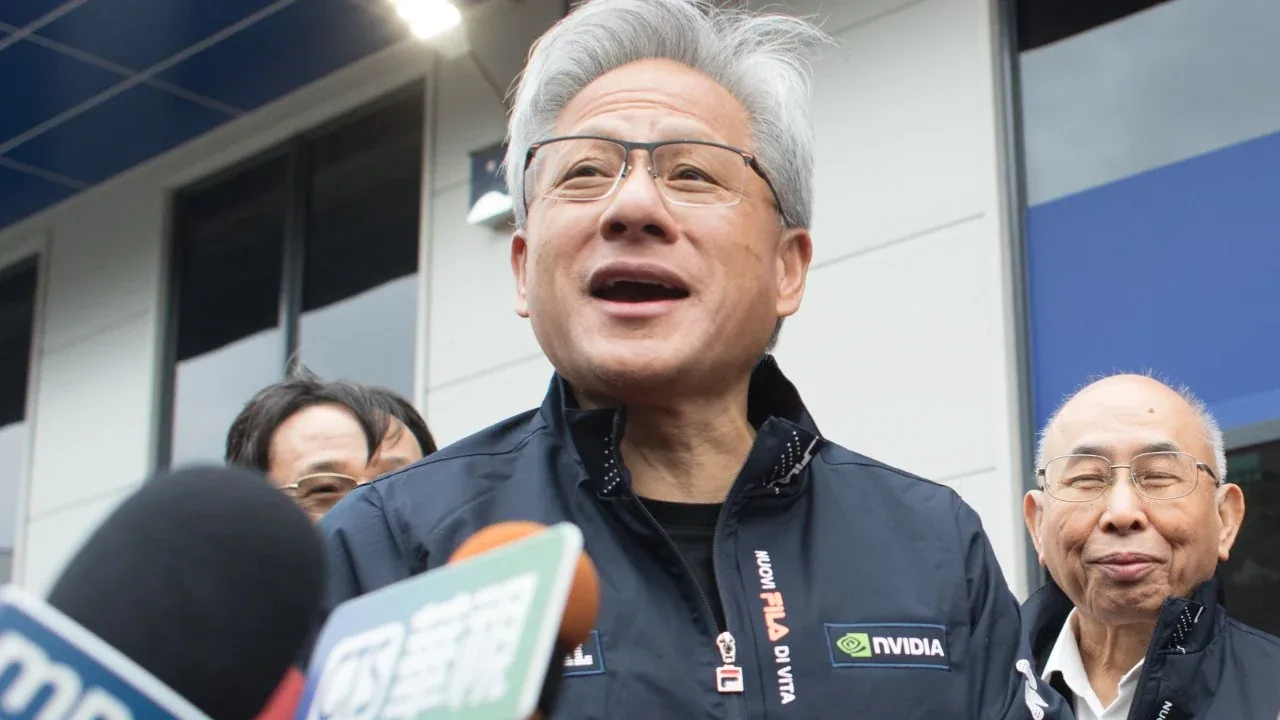
Binance co-founder Changpeng Zhao said Nvidia made a mistake accepting the resignation of co-founder Jensen Huang, after the chipmaker disclosed on Nov. 12 that Huang had left the chief executive, president and board roles effective Nov. 11. The company named finance chief Colette Kress as interim CEO while it searches for a permanent successor. The case matters because Nvidia sits at the center of AI hardware spending, and its leadership shock has already moved both its shares and crypto-based NVDA derivatives.
Colette Kress takes over as Nvidia searches
Nvidia said directors accepted Huang resignation on Nov. 11, effective immediately, covering the president and CEO positions and his board seat. Executive Vice President and Chief Financial Officer Colette Kress became interim CEO while retaining her finance responsibilities. Kress joined Nvidia in September 2013 after finance roles at Cisco and Microsoft. Directors said they will consider internal and external candidates for permanent CEO. Harvey C. Jones, a technology entrepreneur and Nvidia director since 1993, became the first board chair. The company said operations, customer commitments and the product roadmap were expected to continue without interruption.
The exit followed personal and security-related controversy. Huang apologized to employees Nov. 8 for being unfaithful to his wife in connection with an affair with Alice Huang, a former executive at Megaspeed, a Singapore-based cloud computing provider and Nvidia customer. U. S. intelligence officials reportedly alleged that Alice Huang acted as a Chinese intelligence asset, an accusation that Beijing denied. The New York Times reported Nov. 11 that Huang also had a relationship with Kimberly Powell, Nvidia vice president of health care, who reported directly to him. On Nov. 8, the board opened an independent investigation into a reported foreign intelligence effort targeting Huang, overseen by independent directors with outside counsel. Directors said they prioritized U. S. national and economic security, while adding that they had no reason to believe national security or company secrets had been compromised.
What Hyperliquid short shows for crypto users
For holders of crypto products tied to equities, the episode shows how fast off-hours sentiment can move through perpetual futures and tokenized shares. Before U. S. markets opened Nov. 9, Nvidia perpetual futures and tokenized shares had each fallen around 6% during the developing controversy. A wallet tracked on Nov. 9 held a roughly 5.4 million dollar Nvidia short position on Hyperliquid, a decentralized trading platform, comprising 30,000 contracts at 10 times leverage with an average entry price of 181.33 dollars. The position showed an unrealized gain of about 67,000 dollars at the Nov. 9 observation. Such contracts allow leveraged exposure without owning the underlying shares, and leverage magnifies gains and losses relative to posted collateral. Nvidia shares later traded near 165 dollars, down about 5 percent on the day, after falling to 150 dollars earlier Thursday, leaving the stock down more than 27 percent over the last month.
The public commentary adds another layer. Zhao wrote on X that it was a mistake for Nvidia to let Huang resign. Tesla and SpaceX chief executive Elon Musk had earlier indicated that hiring Huang would be an honor, in response to a suggestion that he hire the Nvidia co-founder. Nvidia maintained its Nov. 17 fiscal 2027 third-quarter results release and earnings call. The source report also noted pressure on the already weak bitcoin market from uncertainty around Nvidia and its potential effect on technology-linked sentiment. None of this changes the mechanics of the underlying shares, but it underlines counterparty, leverage and volatility risks for users of decentralized derivatives during corporate crises.
// Read next
FT: Russian VC revealed as multibillion-dollar Tether co-owner
Vitaly Bezrodnykh, founder of Fulgur Ventures, holds a previously undisclosed multibillion-dollar stake in Tether, per …
Binance wins conditional approval for Bhutan regional hub
Binance received in-principle approval from Bhutan’s Gelephu Central Bank to build an Asia hub, weeks after a $6.3 bill…
Bitcoin and gold are 2026's worst-performing major assets
Bitcoin is down 32% in 2026 and gold 16%, placing both at the bottom of the year's major-asset rankings — a pairing mar…
Kalshi fights states over prediction market taxes and gambling rules
New York, New Jersey and Kentucky are testing whether federal oversight shields Kalshi from state gambling laws as Bern…