California orders Waymo off freeways after driving mishaps
California regulators told Waymo to stop freeway operations after reported mishaps, a move that affects robotaxi routes and testing plans.
AIXVZ
AI agents that sell for you. AIXVZ builds sales agents and automates routine business processes — from first contact to deal.
Learn more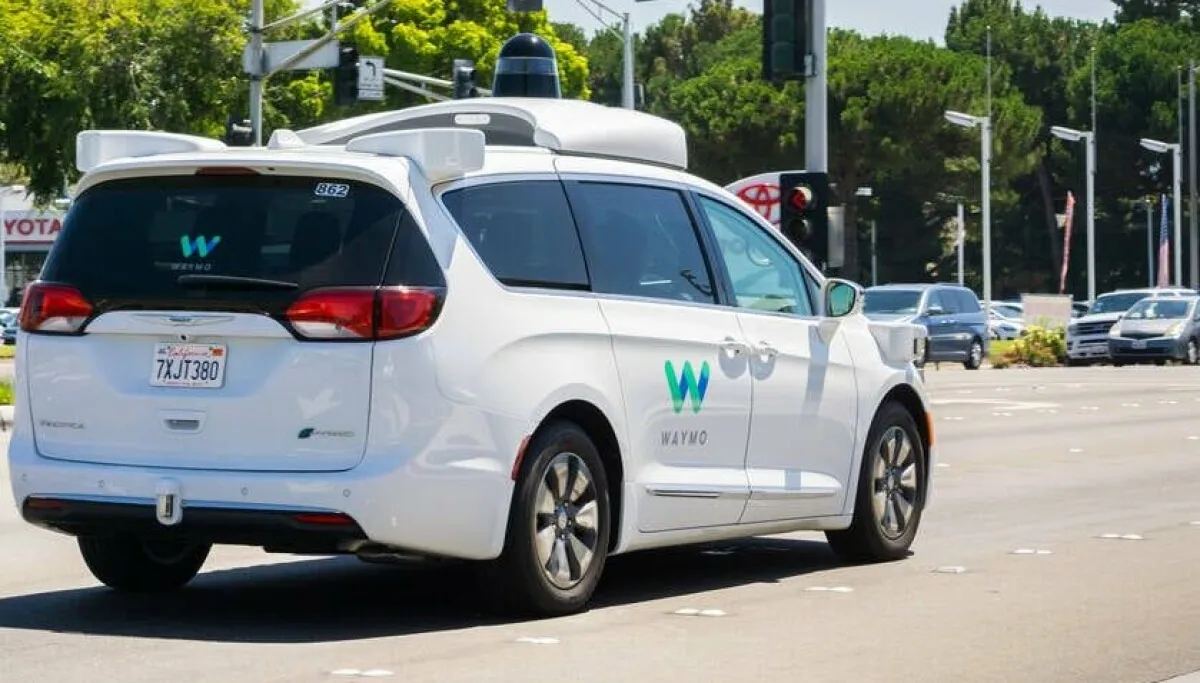
California regulators have told Waymo to halt driverless operations on freeways after a series of mishaps, limiting where the company can run its autonomous vehicles. The order directs the Alphabet-owned robotaxi operator to exit freeway service and rely on surface streets while safety concerns are reviewed. For riders and workers in areas served by Waymo, the decision affects trip routes, travel times and near-term expansion plans.
Order limits Waymo to surface streets
The action described in the source is narrow but consequential: Waymo is instructed to take its vehicles off freeway segments following reported mishaps. The source headline identifies California as the authority behind the order and Waymo as the recipient, with freeway incidents cited as the reason. No additional technical detail is provided in the supplied material about the number of incidents, the dates they occurred, the vehicle models involved or whether injuries or collisions resulted.
The context is the wider regulation of autonomous vehicles in California, where state agencies set conditions for testing and commercial robotaxi service. Freeway driving is generally a distinct operating domain from city streets, with higher speeds, merging and lane-change demands that place different requirements on sensors, software and remote support. A restriction that removes freeways from the approved operating area therefore changes how a robotaxi network can connect neighborhoods, airports and suburbs, even if local street service continues.
Longer trips and slower robotaxi rollout
For passengers, the practical effect is straightforward: trips that would have used a freeway may take longer, require rerouting or become unavailable in some corridors. For Waymo, freeway access matters for efficiency because it shortens travel time between distant pickup and drop-off points and supports airport and cross-city service. Losing that access can raise operating costs per trip, reduce vehicle utilization and delay plans to scale service across a metro area.
What this episode does not establish is a broader finding about the safety of autonomous driving or the future of Waymo in California. The supplied material does not provide investigation findings, a timeline for reinstatement, conditions for returning to freeways or statements from the company or regulators. Until those details are published, the order should be read as a limited operational restriction tied to reported freeway mishaps, not as a statewide ban or a final judgment on the technology.
// Read next
AI labs near cryptography breakthrough as expert panel prepares statement
A 21-expert cryptography panel lists a forthcoming statement as researchers point to an AI breakthrough in theoretical …
Musk: Google Wants to Rent More Computing Capacity From SpaceX
Elon Musk says Google is interested in renting additional computing power from SpaceX, a signal of how tight AI infrast…
RTX 5090 Cable Melt Triggers Air Quality Alarm in PC Owner Room
A Reddit user says a melting 12+4-pin cable on a Gigabyte RTX 5090 filled the room with particles and damaged the GPU p…
YouTuber builds working USB graphics card for 20 cents
Bitluni turned a 13-cent CH570 microcontroller into a monochrome USB graphics card using PWM video tricks and SRAM cach…