AI data centers to double power use by 2030 on $4 trillion boom
The IEA says global data center capacity will rise from 120GW to 240GW by 2030, with AI taking three quarters of the growth and straining grids and household bills.
AIXVZ
AI agents that sell for you. AIXVZ builds sales agents and automates routine business processes — from first contact to deal.
Learn more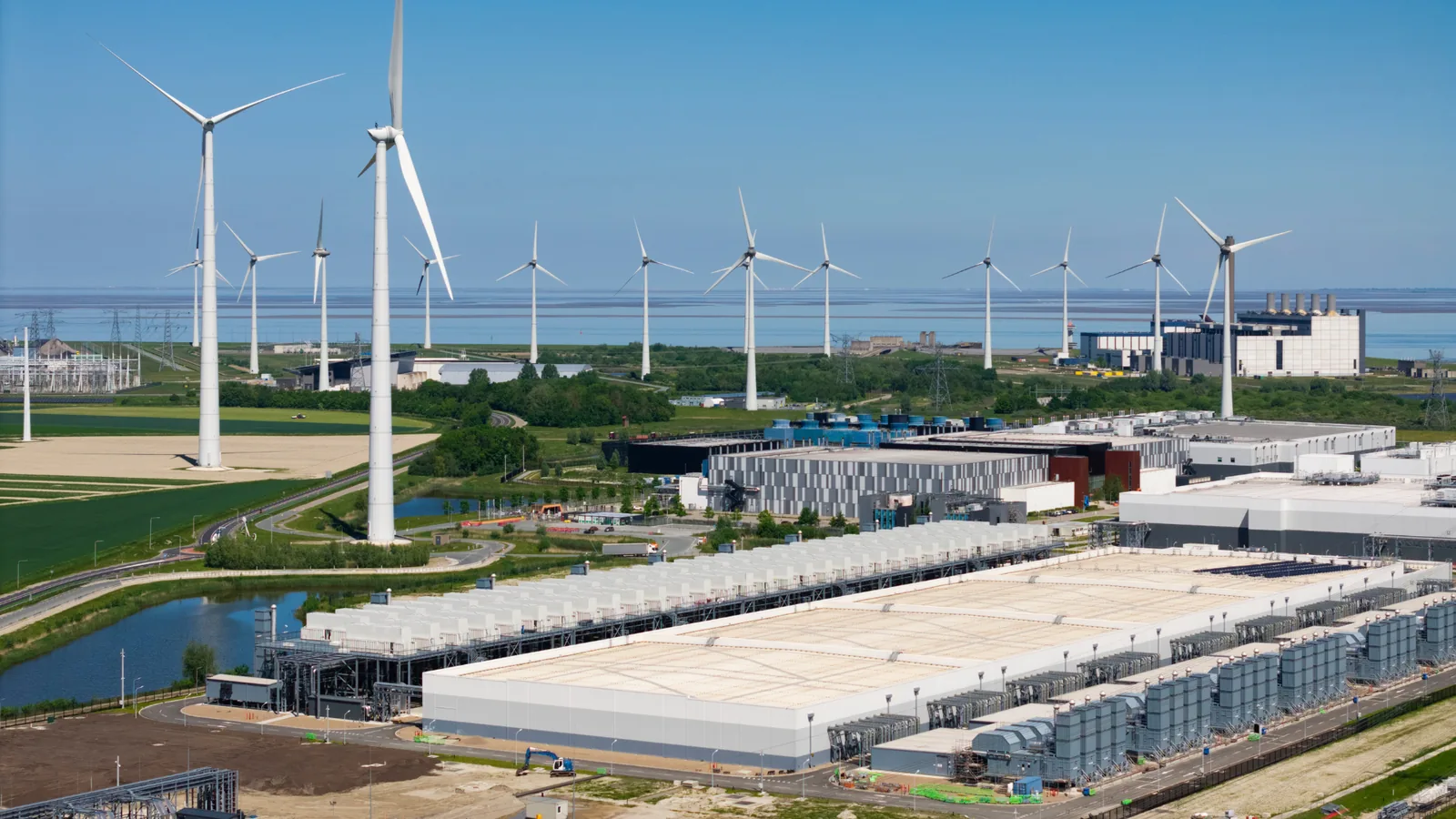
The International Energy Agency says global data center capacity will double from 120GW to 240GW by 2030, driven by about $4 trillion in spending, with 75% of the new capacity dedicated to artificial intelligence. The build-out includes 93 large AI factories tracked by satellite that are expected to reach 50GW, equal to adding a second Great Britain to power demand. For households and workers, the issue is no longer chip supply but whether local grids can carry the load without raising bills.
93 AI factories add 50GW of new demand
The IEA World Energy Outlook 2026 report puts current capacity across all types of data centers at 120GW, with another 120GW expected by the end of the decade. It is tracking 93 large AI factories under construction or being expanded, whose capacity grew from under 2GW to 17GW in two years and is projected to hit 50GW on completion. The agency says many regions face project demand that would exceed current peak load, while transmission work can take three to five times longer than the one to five years needed for renewable plants and large data centers.
Power sourcing remains heavily fossil-based in practice despite clean-energy contracts. Renewable energy accounts for nearly 50% of data centers power purchase agreements, but actual generation from coal and natural gas is closer to 60%, reflecting the need for reliable supply when renewables cannot deliver. The IEA expects coal- and gas-related emissions from data centers to rise by 70% by 2030. Some operators are adding their own generation, including the Colossus 2 project in Southaven, Mississippi, while about 180GW of dedicated power is planned or under construction in the United States.
What doubling demand means for bills and jobs
The grid pressure connects directly to money and work because new large loads can force costly upgrades. The IEA says its analysis does not yet show a clear relationship between data center growth and higher electricity prices. If a facility uses existing capacity and pays its share, bills for other customers could fall, but if the operator must upgrade the system and spreads costs across users, monthly bills could rise. That split explains local opposition blaming projects for higher utility prices and puts grid-connection terms at the center of household costs.
The figures describe announced projects and spending plans, not guaranteed completion. Total AI data center investment is projected at $32 trillion by 2050, larger than railways, electrification and the internet combined, but grid delays, moratoriums and equipment shortages can slow sites. Some hyperscalers are installing jet engines for on-site power, though turbine blades are also in short supply. Communities without major projects nearby are less affected, while areas hosting large AI factories face the sharpest questions over reliability, emissions and who pays for upgrades.
// Read next
AI labs near cryptography breakthrough as expert panel prepares statement
A 21-expert cryptography panel lists a forthcoming statement as researchers point to an AI breakthrough in theoretical …
Musk: Google Wants to Rent More Computing Capacity From SpaceX
Elon Musk says Google is interested in renting additional computing power from SpaceX, a signal of how tight AI infrast…
RTX 5090 Cable Melt Triggers Air Quality Alarm in PC Owner Room
A Reddit user says a melting 12+4-pin cable on a Gigabyte RTX 5090 filled the room with particles and damaged the GPU p…
YouTuber builds working USB graphics card for 20 cents
Bitluni turned a 13-cent CH570 microcontroller into a monochrome USB graphics card using PWM video tricks and SRAM cach…