US retail spending slowed in October as high prices squeezed shoppers
Total retail spending reached $561.7 billion in October, up just 0.2% from September, as inflation and careful budgeting shaped early holiday shopping.
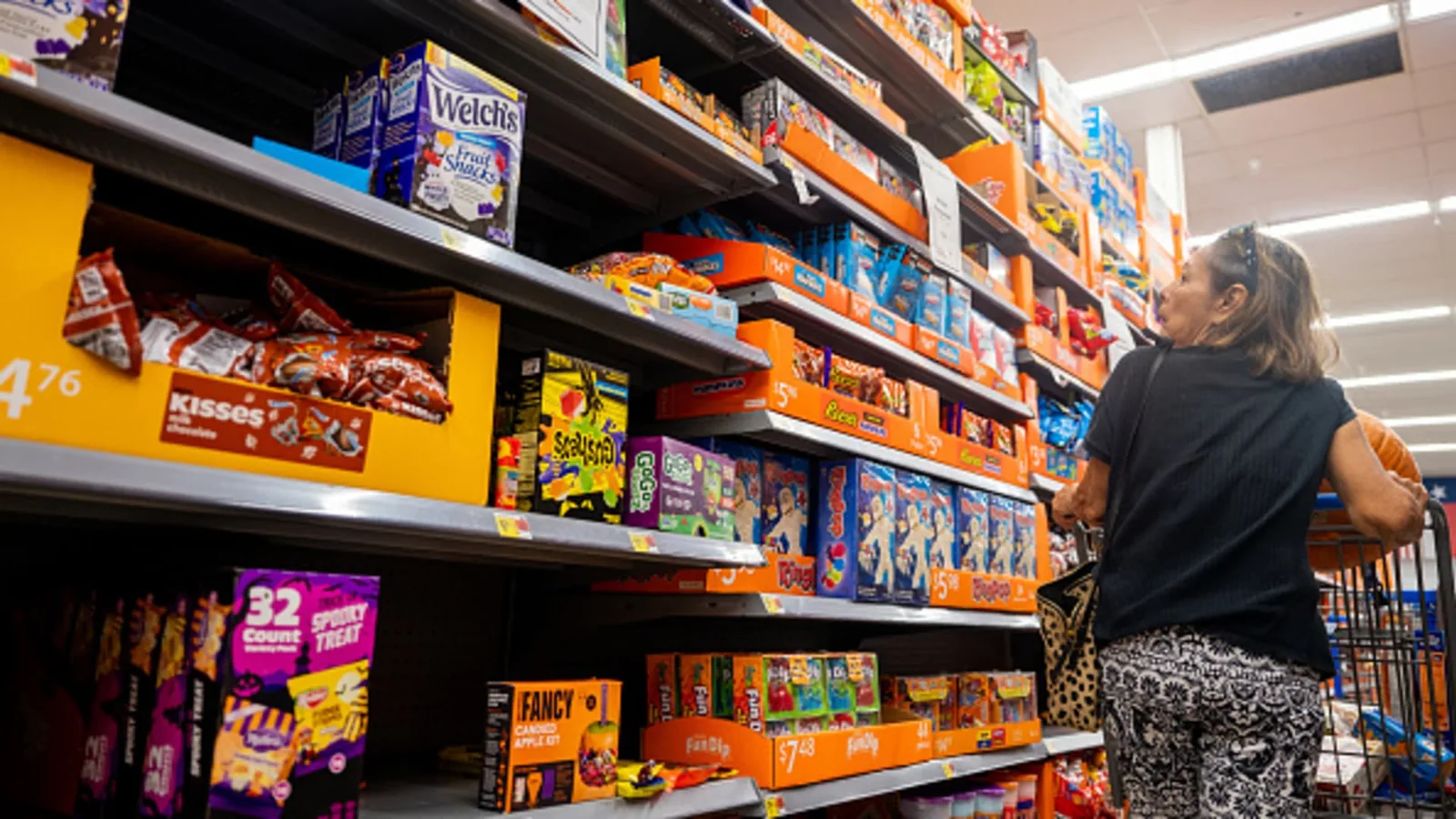
Total retail spending in the United States reached $561.7 billion in October on a seasonally adjusted basis, up 0.2% from September and 3.6% from a year earlier, according to the CNBC/NRF Retail Monitor released Wednesday. Core retail spending, which excludes restaurants, rose 0.3% on the month to $454.2 billion and was 3.4% higher than a year ago. The result matters for household budgets because consumer spending accounts for the bulk of U. S. economic output, and slower growth points to more careful shopping.
Slowest monthly growth since last November
The 0.2% monthly increase in total spending was the lowest since November 2025, a sign that shoppers are becoming more selective as higher prices affect their finances. The National Retail Federation said a strong Halloween season and an early start to holiday promotions prevented the figure from being lower. The federation chief executive said households are managing budgets carefully and timing purchases around special offers and sales events to stretch their dollars, while retailers are using promotions and value pricing to keep everyday items and holiday gifts affordable.
The monitor now covers around 120 million debt and credit cards, with data from Affinity Solutions, making it one of the largest sources of card spending in the country. Spending rose in nine of 11 sectors compared with a year earlier, led by electronics and appliances with a 9.3% increase over the 12-month period. Technology companies have raised prices for products including MacBooks and Xboxes amid surging memory chip costs linked to the artificial intelligence boom. Furniture and home furnishings sales fell 0.2% in October and were down 2.6% on a 12-month basis, likely affected by the housing market freeze as mortgage rates rose.
What slower spending signals for households
For households, the data suggest a longer period of trade-offs between everyday costs and discretionary purchases, with more attention to discounts and timing. Spending on leisure items including sporting goods, music and bookstores fell 0.4% from a year earlier, even though it rose from September to October, indicating that nonessential categories face pressure. Workers and job seekers can read the report as a measure of demand in retail and related services, where promotion-driven sales may support activity without restoring broad spending strength. Savers may feel less strain if slower demand limits further price increases, although that outcome is not guaranteed.
The report does not prove that consumers have stopped spending, since total and core sales still rose both monthly and annually. It also does not show how the coming holiday weeks will develop, or how individual households are affected across income levels and regions. Broader price signals remain mixed: the consumer price index rose 0.4% in October, slightly above forecast, and a National Federation of Independent Business survey found a net 37% of businesses planned to raise prices in the next three months, the highest since July 2022.
// Read next
Investors rotate to defensive stocks as tech volatility puts markets on alert
Tech indexes have fallen sharply since October while healthcare and staples gained, as analysts say investors are prici…
China Singles Day sales stall as cautious shoppers hold back spending
Early Singles Day sales reached just over 1 trillion yuan by Oct. 31, flat on last year, as weak property wealth and di…
AI stocks rebound on Wall Street as CoreWeave jumps after earnings
The S&P 500 rose 0.9% as CoreWeave jumped 10.7% on a smaller loss and higher revenue forecast, while the Dow slipped an…