Investors rotate to defensive stocks as tech volatility puts markets on alert
Tech indexes have fallen sharply since October while healthcare and staples gained, as analysts say investors are pricing AI spending and debt risks.
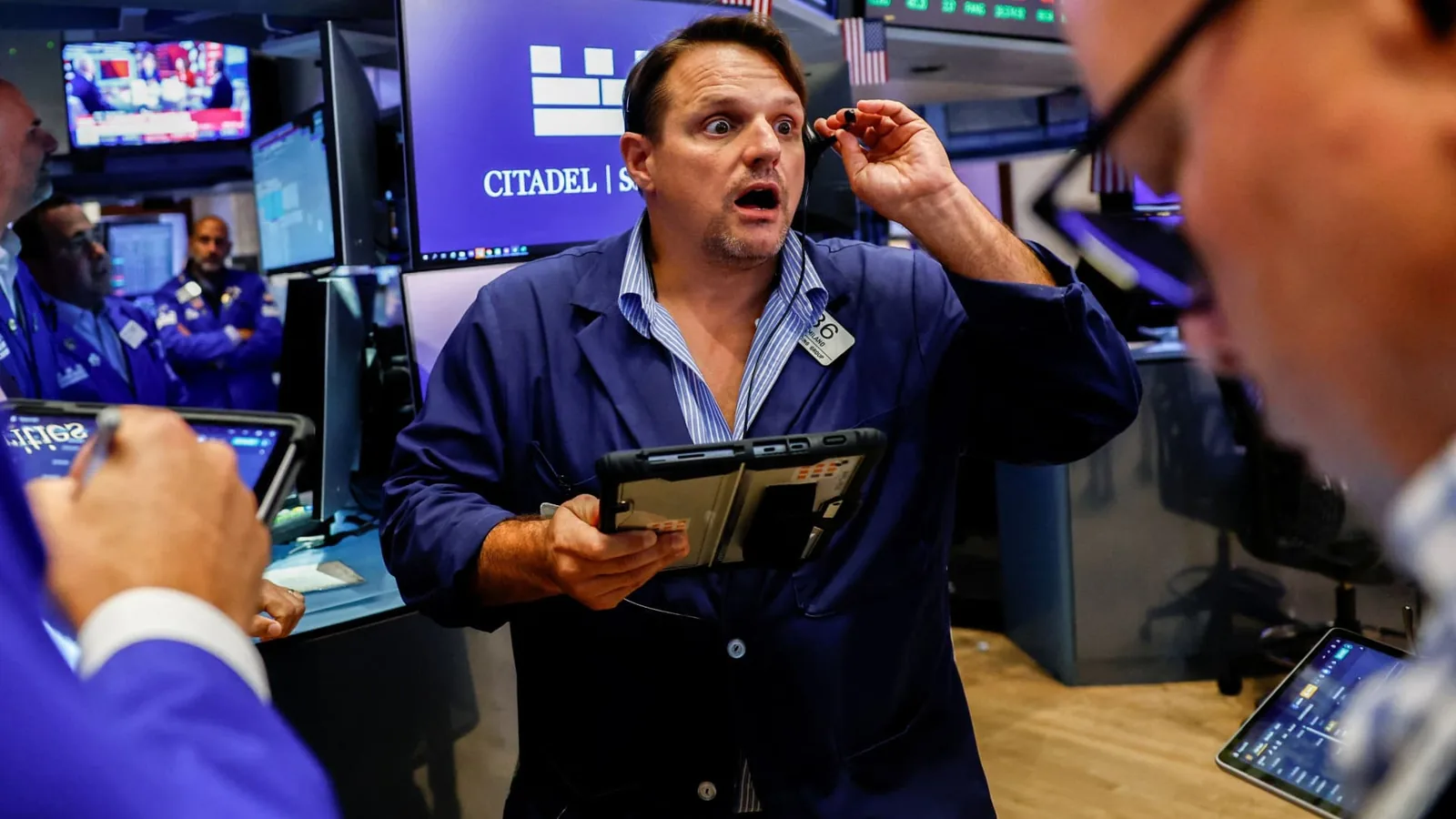
Investors are rotating out of technology shares and into defensive stocks, leaving equity markets in what analysts describe as a state of alert. The tech-heavy Nasdaq Composite is up about 8.7% since the start of 2026 as of Nov. 9, but it lost 5.3% in October and is down 0.7% so far in November after briefly entering correction territory. The shift matters for households because retirement accounts tied to broad indexes now depend less on tech momentum and more on staples, healthcare and energy.
Tech selloff deepens while defensives gain
Technology stocks have been notably volatile in 2026, with concerns around artificial intelligence spending, cash flow, debt and circular financing sparking repeated bouts of instability. Pressure increased last week after the Democrats swept Congress in the U. S. midterm elections. The Nasdaq, home to Nvidia, Microsoft, Alphabet and Apple, has recovered in recent days but remains negative for November. South Korea’s Kospi, heavily exposed to semiconductors, lost 16.2% in October and is down more than 8% month-to-date. The MSCI World Information Technology index lost 7% in October and a further 4.6% this month, while MSCI’s U. S.-only IT index is down 11.5% since October.
At the same time, MSCI indexes covering consumer staples, healthcare and utilities have risen significantly over the last month. AJ Bell’s analysis of 11 super-sectors in the S&P Global 1200 shows healthcare and consumer staples were the best performers in the second half of 2026 so far after energy, which benefited from surging oil prices following the U. S.-Iran war. Information technology went from the best performer in the first half with a 28.4% rise to the worst performer in the second half after falling more than 11%. Industrials have also been noticeably weak, according to investment director Russ Mould.
What the rotation signals for savings and work
For savers and employees, the rotation changes where portfolio stability comes from. Funds tracking broad market indexes will reflect weaker tech performance offset partly by steadier healthcare, staples and energy holdings. Workers in technology and related industrial roles may face tighter budgets if companies delay capital expenditure or reassess hiring plans amid questions over AI execution risk. Households relying on continued tech-led market gains to support spending or near-term retirement plans face greater uncertainty, while exposure to defensive sectors may cushion short-term swings without removing market risk entirely.
The story does not prove that AI investment has failed or that a broader downturn has started. HSBC strategist Alastair Pinder said recent moves were vicious and, in his view, overdone, adding that fundamentals broadly appear healthy. He noted U. S. semiconductors trade on 12-month forward earnings of 13.5 times after a 45% de-rating since June, compared with Walmart on 40 times forward earnings. Whether technology stabilizes or defensive leadership continues will depend on AI spending plans, debt conditions and the economic outlook for next year, which remain unresolved.
// Read next
China Singles Day sales stall as cautious shoppers hold back spending
Early Singles Day sales reached just over 1 trillion yuan by Oct. 31, flat on last year, as weak property wealth and di…
AI stocks rebound on Wall Street as CoreWeave jumps after earnings
The S&P 500 rose 0.9% as CoreWeave jumped 10.7% on a smaller loss and higher revenue forecast, while the Dow slipped an…
Orion Digital bought back 1 million shares at $1.15 as cash reached $30.9M
Orion Digital repurchased one million shares on Nov. 10, lifting 2026 buybacks to 1.24 million shares while holding $30…