US prepares new tariffs on China, EU over subsidized output
The White House plans fresh duties on 16 economies to replace tariffs struck down by the Supreme Court, adding pressure on prices and trade ties.
AIXVZ
AI agents that sell for you. AIXVZ builds sales agents and automates routine business processes — from first contact to deal.
Learn more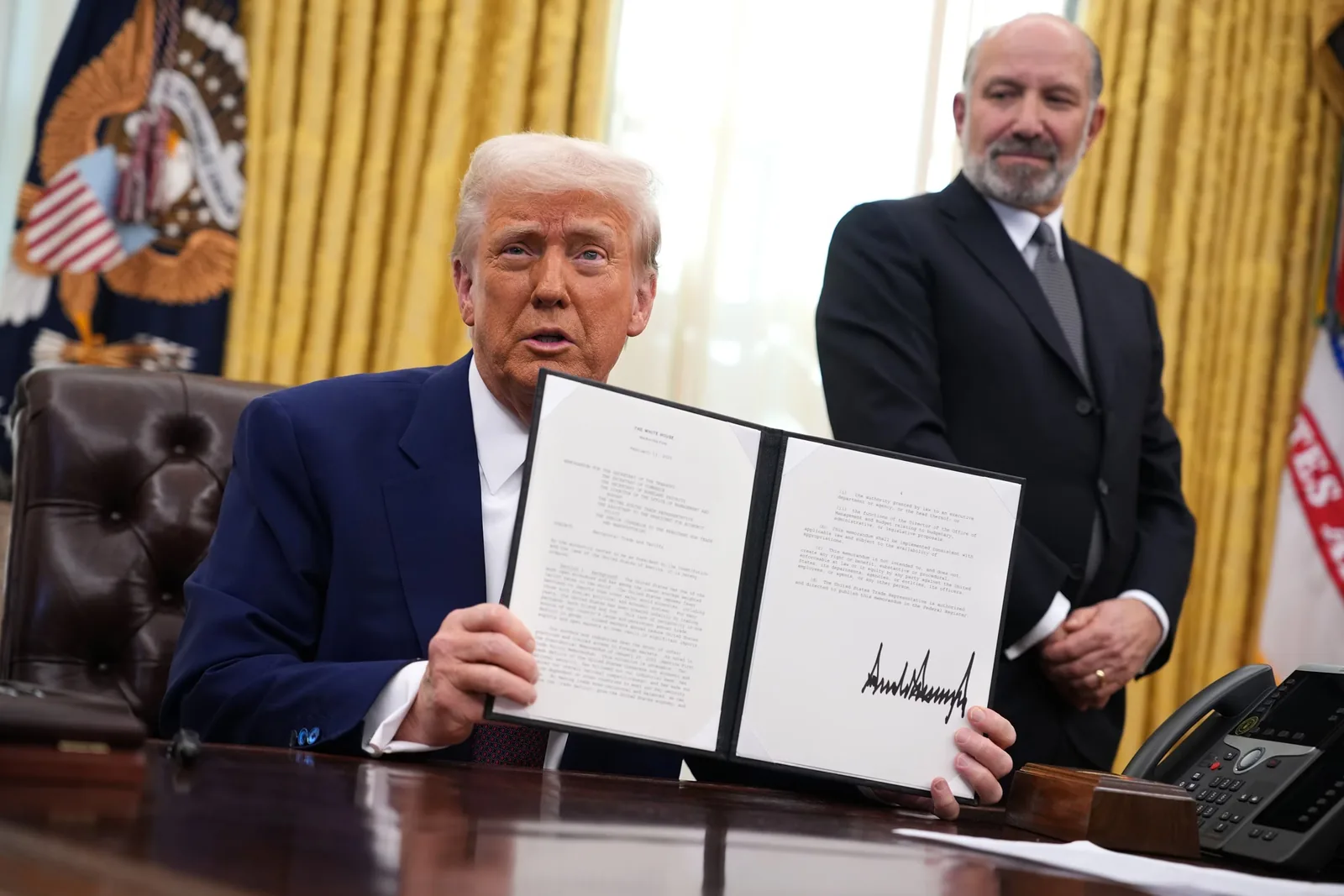
The Trump administration plans to raise tariffs on China, the European Union and 14 other economies after a monthslong probe into industrial subsidies, according to two people familiar with the matter. The Office of the U. S. Trade Representative is expected to release its findings in the coming days, although the timing could still change. The move matters because the new duties would land on top of existing import taxes while inflation remains elevated.
New duties would replace struck-down tariffs
The planned tariffs respond to what the White House describes as excessive manufacturing output supported by subsidies, which has produced a flow of lower-priced goods that undercut American firms. The investigation was conducted under Section 301 of the Trade Act of 1974, which permits tariffs against practices that discriminate against U. S. companies or commerce. The tariff levels were not immediately clear, but they would come on top of duties of 10 per cent to 12.5 per cent announced earlier this year. The White House and USTR did not respond to requests for comment.
The action would be a second step to replace broader duties announced in April 2025 that the Supreme Court ruled unconstitutional in February. In July, the White House imposed levies of 10 per cent to 12.5 per cent on 60 trading partners over enforcement of bans on goods produced by forced labor. Many countries, including China, protested those tariffs, which took effect as temporary levies expired after the court decision on sweeping reciprocal tariffs. Plans for the new duties were reported earlier on Tuesday by Bloomberg and The Wall Street Journal.
Higher import costs test households and politics
For households, additional tariffs on major suppliers such as China and the EU can feed through into prices for manufactured goods, from autos to solar panels, steel and cement-linked products. China’s surging exports pushed its trade surplus to a record of nearly 1.2 trillion U. S. dollars last year, while slowing domestic demand has pushed firms toward overseas markets. The administration is proceeding despite a sweeping Republican loss in this month’s midterm elections, driven largely by affordability concerns. The duties could also test how Democrats respond, since Trump could veto legislation to overturn them even with majorities in the House and Senate.
The story does not establish the tariff rates, the list of the 14 other economies, or the effective dates. It also does not show how much of any duty would be absorbed by exporters rather than passed to U. S. buyers. The expected move comes as Trump visited Shenzhen last week for a third meeting this year with Chinese President Xi Jinping, who is expected in Doral, Florida, next month for the Group of 20 Summit. The trade deficit remains a significant irritant despite closer contact between the leaders.
// Read next
Growth Stocks Turn Cheaper Than Value for First Time Since 2008
The S&P 500 Growth index fell 15% from the October peak and its forward P/E dropped below value, a split last seen in t…
Tech sell-off drags down three consumer stocks with raised outlooks
With the S&P 500 down nearly 12% from its peak, Amer Sports, Tapestry and Birkenstock trade at 13 to 22 times forward e…
Monster and AutoZone Offer Shelter as Nasdaq Swings on Nvidia
With the Nasdaq whipsawed by Nvidia leadership turmoil, Monster Beverage and AutoZone stand out for low volatility and …
Canada bank earnings preview puts 2027 outlooks in focus
Canada's Big Six banks report fourth-quarter results this week, with analysts watching capital markets softness, margin…