US midterms add political risk to AI data center spending cycle
Natixis strategist Jack Janasiewicz says Democratic wins and data center opposition could delay AI buildout, with hyperscalers best placed while Nvidia orders hold.
AIXVZ
AI agents that sell for you. AIXVZ builds sales agents and automates routine business processes — from first contact to deal.
Learn more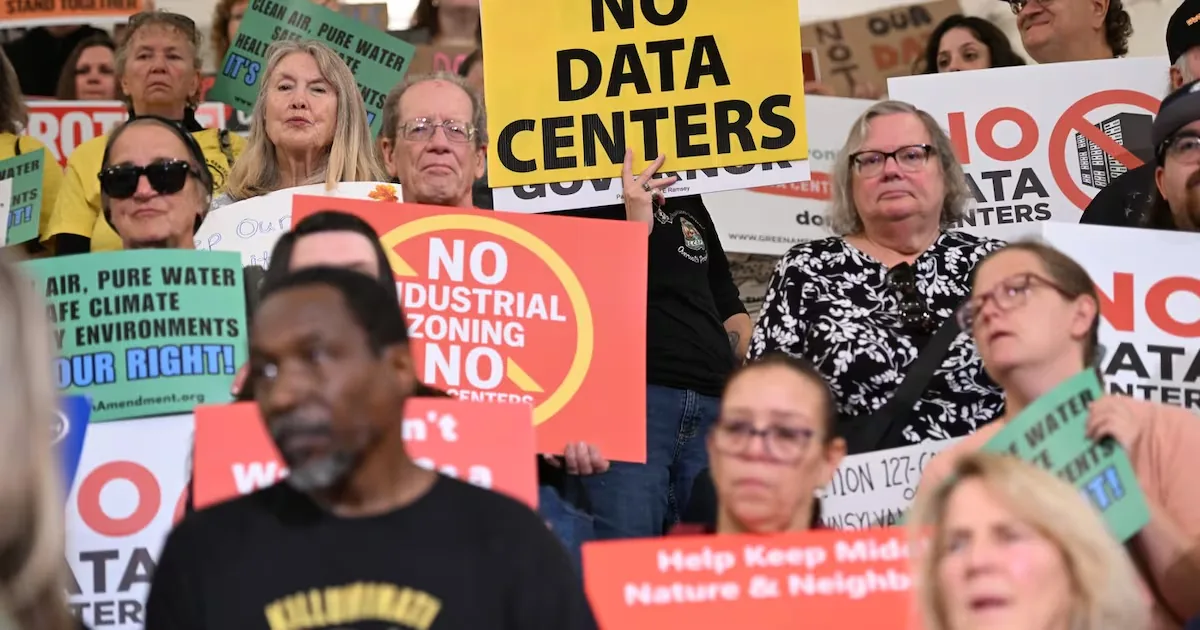
Democrats swept the House and the Senate in the U. S. midterm elections, and strategists now see politics as a new bottleneck for artificial intelligence spending. Jack Janasiewicz, portfolio manager and lead portfolio strategist at Natixis Investment Managers Solutions, told BNN Bloomberg on Nov. 13, 2026 that opposition to data center construction could slow the buildout and raise costs. For households and investors, his framing matters: delayed but not destroyed.
Democratic sweep puts data centers on ballot
Speaking with BNN Bloomberg, Janasiewicz said Texas is being watched as a template for how local and state resistance to data centers could develop elsewhere. He argued that elected officials campaign on issues that resonate with constituents, but face a different calculation in office because blocking projects can mean forgoing jobs, growth and increased tax revenue. Talk of a potential U. S. data center moratorium follows the Democratic sweep, adding to recent volatility around large technology companies including Nvidia ahead of its earnings next week.
Janasiewicz said compute demand is projected to last out to 2030, and recent comments from providers have given the market more confidence that return on investment is slowly working through the system. In the near term, he pointed to an extensive backlog of orders, saying execution over the next year and a half should keep demand for Nvidia graphics processing units supported. Effects of any delays would fall farther down the curve, with 2027 and 2028 as the period when greater political clarity could allow the cycle to restart.
What slower buildout means for money and work
A slower capital expenditure cycle could create a short-term supply and demand imbalance in which demand cools and supply catches up, producing what Janasiewicz described as a mini inventory cycle. Scarcity of compute and compute space would likely favor hyperscalers that already hold capacity, while higher utilization rates could mean more efficiency and less spending at the margin. He added that slower growth from this pause could ease inflation concerns and, in turn, provide some support for the interest-rate backdrop relevant to mortgages, credit and savings.
The interview did not resolve the largest open questions around Nvidia, which Janasiewicz said investors will watch in its upcoming earnings. Those include whether circular financing led by chief executive Jensen Huang to build infrastructure cools, and whether the U. S. government tightens chip export controls to China, a headline risk already reflected in repricing of AI-related names in the Chinese market. Grid capacity and energy remain a separate bottleneck for data centers, independent of the political debate.
// Read next
Growth Stocks Turn Cheaper Than Value for First Time Since 2008
The S&P 500 Growth index fell 15% from the October peak and its forward P/E dropped below value, a split last seen in t…
Tech sell-off drags down three consumer stocks with raised outlooks
With the S&P 500 down nearly 12% from its peak, Amer Sports, Tapestry and Birkenstock trade at 13 to 22 times forward e…
Monster and AutoZone Offer Shelter as Nasdaq Swings on Nvidia
With the Nasdaq whipsawed by Nvidia leadership turmoil, Monster Beverage and AutoZone stand out for low volatility and …
Canada bank earnings preview puts 2027 outlooks in focus
Canada's Big Six banks report fourth-quarter results this week, with analysts watching capital markets softness, margin…