US-India trade deal may close in December after Trump midterm setback
Experts say midterm pressure on living costs makes a US-India pact a likely win for Trump and Modi to sign at the December G20 meeting.
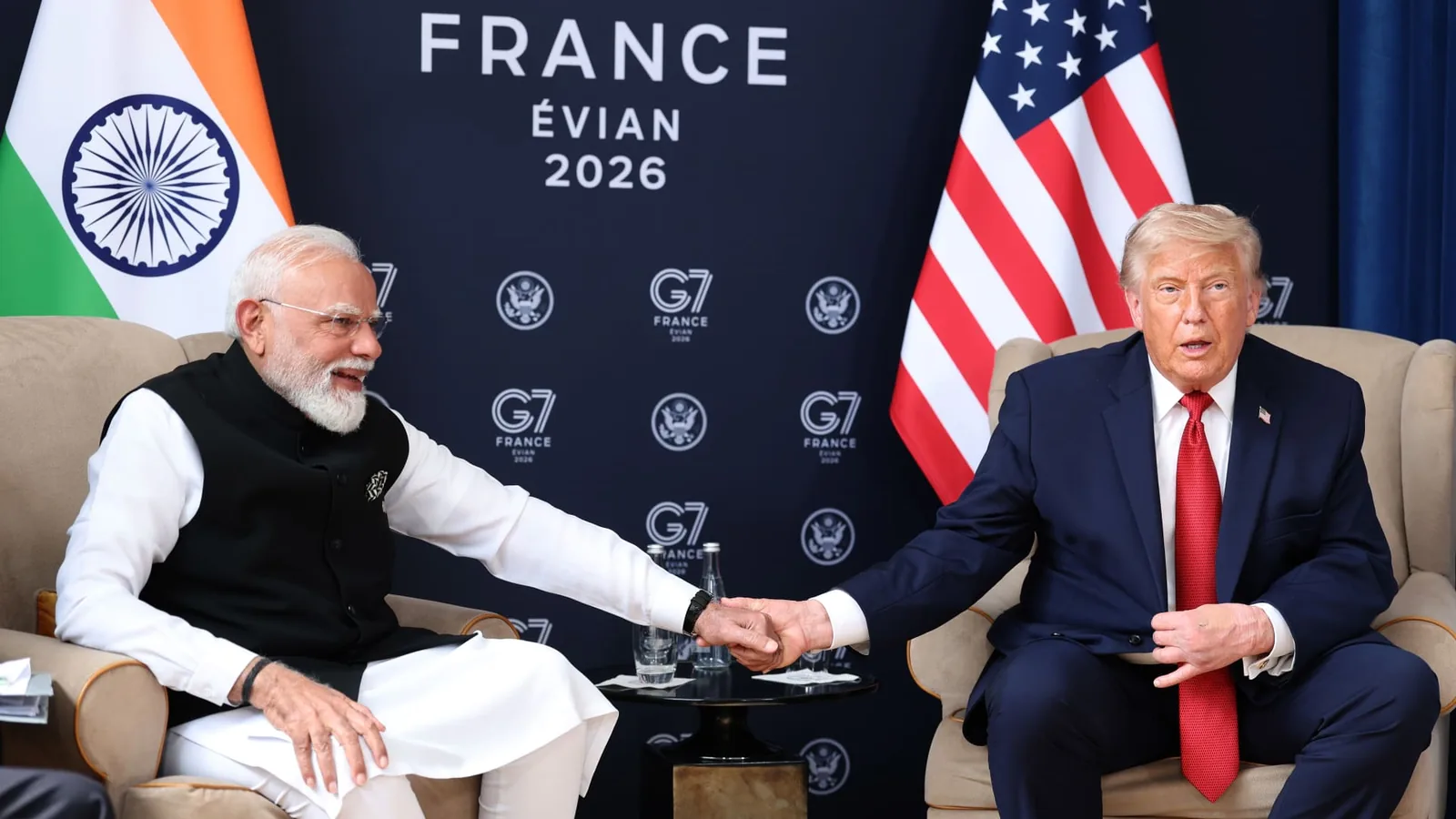
U. S. President Donald Trump and Indian Prime Minister Narendra Modi are expected to sign a long-delayed U. S.-India trade deal when they meet in December, with experts telling CNBC that Trump’s midterm setback has increased the incentive to close pending pacts. Negotiations that began with uncertainty in February are described as largely concluded, with a possible signing at the G20 leaders meeting and talks of a Mar-a-Lago meeting. For households, the stakes are tariffs and living costs, which voters named as their top concern.
Tariffs, talks and December timeline
Trump earlier imposed a 25% tariff on imports from India plus an additional 25% duty tied to New Delhi’s purchases of Russian oil, before agreeing in February to cut tariffs to 18% after India agreed to increase purchases of American goods. That February understanding has awaited final approval, and officials in early October said negotiations had reached an impasse before Trump said on Oct. 20 that the sides were pretty close to a final deal. Indian media reports cited Commerce Minister Piyush Goyal as confirming that discussions had largely concluded, while India’s commerce and external affairs ministries and the U. S. Trade Representative’s Office did not respond to CNBC requests for comment.
Former assistant U. S. trade representative Mark Linscott, now senior advisor at the U. S.-India Strategic Partnership Forum, told CNBC the talks are far along and there appears to be a gentlemen’s agreement between Trump and Modi to conclude the deal when they meet in December. Atman Trivedi, partner at DGA Albright Stonebridge Group, said the administration would like to complete a deal by the G20 leaders’ summit in December. Aryan D’Rozario of the Center for Strategic and International Studies said Modi’s visit to the December summit would provide the perfect stage to formalize an agreement after weeks of reports that a settlement was near.
What the deal would mean for costs
For American households, the link is the cost of tariffs. Trump maintains Americans do not bear the burden, but Tax Foundation estimates cited by CNBC put the added average household tax burden at 1,000 dollars in 2025 and 820 dollars in 2026. Ronak D. Desai of Stanford University’s Hoover Institution said the midterm vote was a verdict on the cost of living and tariffs are now difficult to defend on the numbers. A trade deal that Trump can announce on his own could serve as a policy achievement to promote to the public, while Democrats taking control of both houses of Congress prepare to challenge the tariff policy within days.
The reporting does not confirm final terms or a signing date, and India’s Ministry of External Affairs said only that the relationship enjoys bipartisan support in the United States. A Supreme Court decision striking down Trump tariffs has given India room to seek preferential tariffs that give it an edge over competitors, according to experts cited by CNBC. The account also notes separate market developments, including foreign investor return to India in November, a possible 115 billion dollars in inflows if investors neutralize underweight positions according to JPMorgan, and Adani Ports’ 2.56 billion euro all-cash acquisition of Netherlands-based Evos.
// Read next
CoreWeave rebound puts three Canadian project stocks in focus
CoreWeave raised its revenue guidance above $13 billion and eased funding fears, while a wealth manager named Finning, …
Investors rotate to defensive stocks as tech volatility puts markets on alert
Tech indexes have fallen sharply since October while healthcare and staples gained, as analysts say investors are prici…
China Singles Day sales stall as cautious shoppers hold back spending
Early Singles Day sales reached just over 1 trillion yuan by Oct. 31, flat on last year, as weak property wealth and di…