Taiwan says Canada trade pact could reduce China coercion risk
Taiwan’s deputy minister says a Canada-Taiwan trade framework finished in March 2025 remains unsigned as Ottawa deepens economic ties with Beijing.
AIXVZ
AI agents that sell for you. AIXVZ builds sales agents and automates routine business processes — from first contact to deal.
Learn more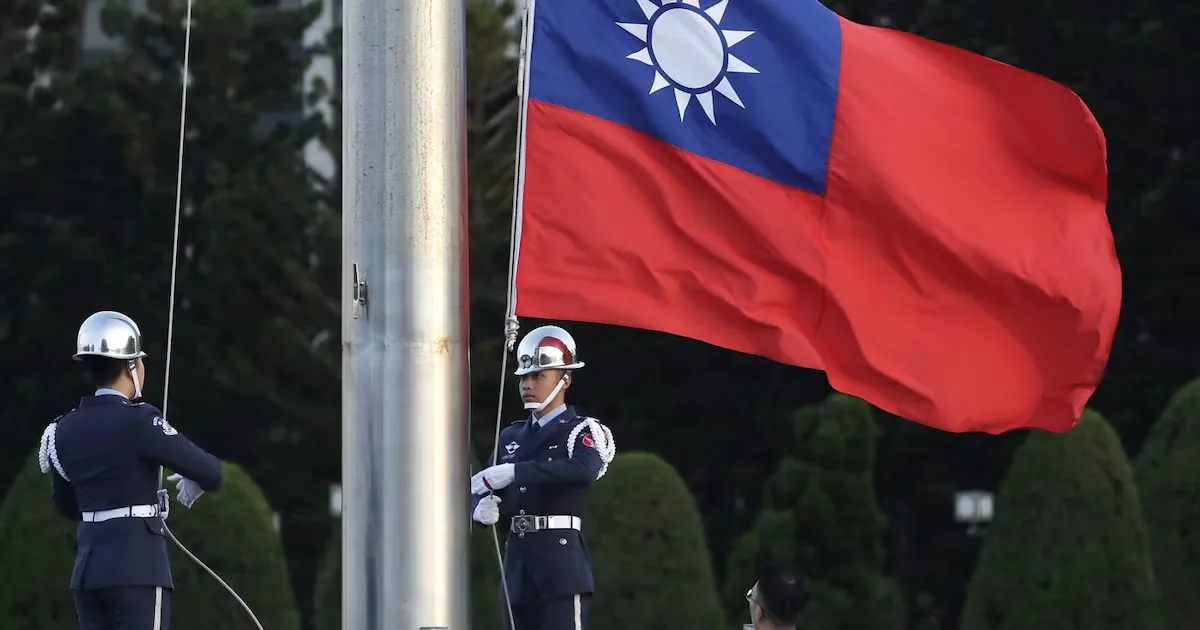
Taiwan’s deputy foreign minister Chen Ming-chi says a Canada-Taiwan Trade Cooperation Framework Arrangement concluded in March 2025 could deepen cooperation in AI, advanced manufacturing and military drones while helping Canada manage trade risk with China. Speaking in Ottawa on Monday, he warned Beijing could weaponize closer economic ties and said democracies need clear guardrails for dealing with China.
Unsigned framework and recent China deals
Parliamentary documents tabled in September show Canada and Taiwan finished talks on the framework in March 2025, with Ottawa consulting provinces two months later. Chen said Canada has not raised the specific agreement with Taiwan since spring 2025, before Canada’s election, adding that it has been sitting there. Prime Minister Mark Carney, asked about the delay while in China, said he hoped the deal would be signed soon, while his office has not explained the holdup.
Chen visited Ottawa shortly after Carney concluded his second trip to China this year. During a January visit to Beijing, Carney announced a renewed strategic partnership with China, moving away from a 2022 policy document that described China as an increasingly disruptive power. During the November trip, China announced it would drop some restrictions on Canadian pork imports in exchange for more steel market access in Shenzhen. Canada’s 2022 Indo-Pacific strategy called for multi-faceted engagement with Taiwan while respecting the One China policy.
What trade dependence means for jobs
For households and workers, the issue is how concentrated trade ties affect jobs in autos, research, minerals and food exports. Chen said Taipei wants to link Canadian minerals, research and automotive know-how with Taiwan’s manufacturing strength. He said Taiwan keeps trade with mainland China but maintains diverse supply chains after learning the costs of dependence, and pointed to past Chinese restrictions on Canadian canola and limits on U. S. access to certain rare earths last year.
The account reflects Taiwan’s position, not a signed Canadian commitment, and the framework’s economic effects remain unknown until Ottawa signs and publishes its terms. Chen spoke at a Macdonald-Laurier Institute panel where founder Brian Lee Crowley also urged Canada to look beyond friction with the United States under President Donald Trump. Taiwan’s warning about three or four years to build deterrence is an assessment, and it does not directly change existing Canadian exports, jobs or prices.
// Read next
Growth Stocks Turn Cheaper Than Value for First Time Since 2008
The S&P 500 Growth index fell 15% from the October peak and its forward P/E dropped below value, a split last seen in t…
Tech sell-off drags down three consumer stocks with raised outlooks
With the S&P 500 down nearly 12% from its peak, Amer Sports, Tapestry and Birkenstock trade at 13 to 22 times forward e…
Monster and AutoZone Offer Shelter as Nasdaq Swings on Nvidia
With the Nasdaq whipsawed by Nvidia leadership turmoil, Monster Beverage and AutoZone stand out for low volatility and …
Canada bank earnings preview puts 2027 outlooks in focus
Canada's Big Six banks report fourth-quarter results this week, with analysts watching capital markets softness, margin…