QuantumScape Has No Revenue After 16 Years of Battery Work
QuantumScape has spent $4.1 billion since 2010 without revenue, as ceramic separator manufacturing delays commercial scale and pushes it toward licensing.
AIXVZ
AI agents that sell for you. AIXVZ builds sales agents and automates routine business processes — from first contact to deal.
Learn more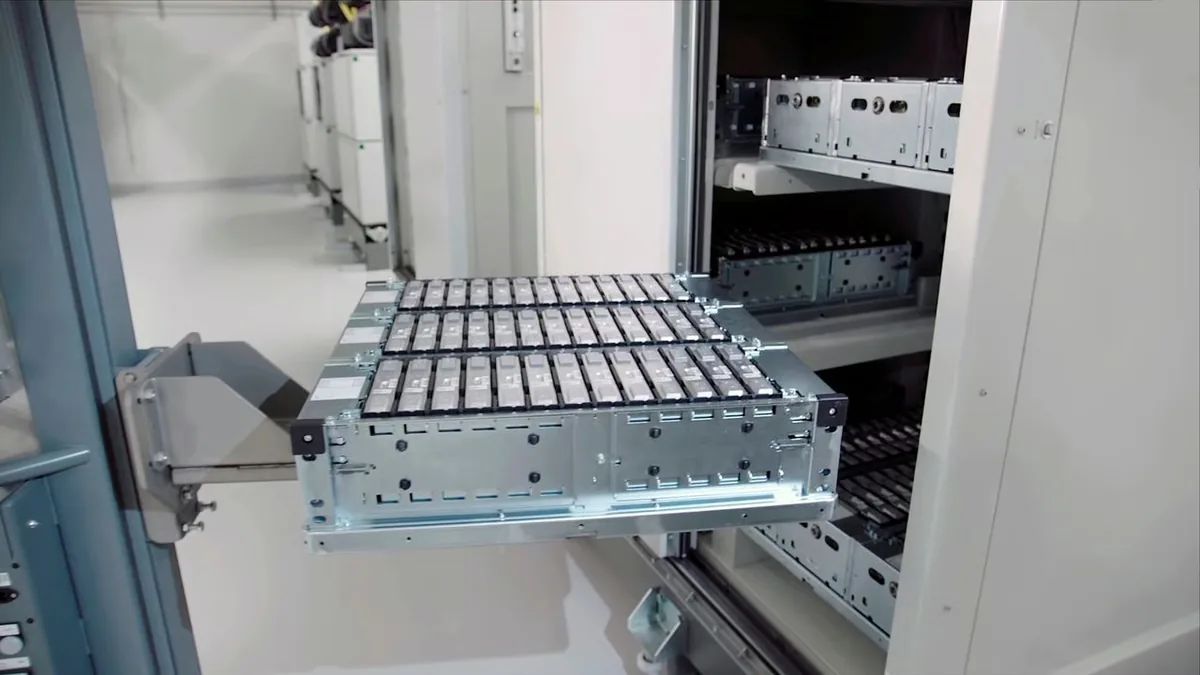
QuantumScape has been developing solid-state batteries since 2010, yet as of the third quarter of 2026 it still has recognized no revenue and has accumulated a deficit of approximately $4.1 billion. The company ended the quarter with $819.8 million in liquidity while expecting an adjusted EBITDA loss of $250 million to $275 million this year. For investors, the issue is manufacturing at scale, not laboratory performance.
Ceramic design works, mass production lags
Conventional lithium-ion batteries use a liquid electrolyte to move lithium ions between electrodes. QuantumScape uses a proprietary ceramic separator that enables a lithium-metal anode, which forms when the battery is charged. The design removes the conventional graphite anode and is intended to allow lighter, more energy-dense batteries that charge considerably faster. Its QSE-5 prototype cells have demonstrated energy density exceeding 844 watt-hours per liter and charging from 10% to 80% in 12.2 minutes.
Producing working cells in small numbers and manufacturing millions of them economically are different tasks. QuantumScape must make extremely thin ceramic separators with minimal defects, while raising volumes without reducing quality, reliability or manufacturing yields. That has required new processes and specialized equipment. At the same time, conventional lithium-ion batteries continue to get cheaper and better, creating a moving target on cost and performance. The company reported $9.8 million in third-quarter customer billings, although those billings do not constitute recognized revenue.
Licensing path leaves investors waiting
In February, QuantumScape opened its automated Eagle Line pilot manufacturing facility in San Jose, California, which is now producing increasing volumes for customer testing. In October, it announced plans for a 100-megawatt-hour production line aimed at AI data centers, aerospace and defense, with production scheduled to begin in 2028. Those markets could offer commercialization outside vehicles, where buyers may pay a premium for performance. The company has an automotive partnership with Honda, while its collaboration with Volkswagen battery subsidiary PowerCo is under renewed negotiation, with milestone payments suspended.
QuantumScape is pursuing a capital-light licensing strategy in which manufacturing partners would pay for construction and operation of factories using its technology. That model could eventually produce royalties without QuantumScape financing multiple multi-billion-dollar plants, but it depends on partners manufacturing successfully at commercial scale. After more than 16 years, performance looks promising while profitable scale remains unproven, leaving risks of further delays, continued losses and potential shareholder dilution.
// Read next
Growth Stocks Turn Cheaper Than Value for First Time Since 2008
The S&P 500 Growth index fell 15% from the October peak and its forward P/E dropped below value, a split last seen in t…
Tech sell-off drags down three consumer stocks with raised outlooks
With the S&P 500 down nearly 12% from its peak, Amer Sports, Tapestry and Birkenstock trade at 13 to 22 times forward e…
Monster and AutoZone Offer Shelter as Nasdaq Swings on Nvidia
With the Nasdaq whipsawed by Nvidia leadership turmoil, Monster Beverage and AutoZone stand out for low volatility and …
Canada bank earnings preview puts 2027 outlooks in focus
Canada's Big Six banks report fourth-quarter results this week, with analysts watching capital markets softness, margin…