Nvidia CEO exit puts spotlight on its vast AI finance commitments
Jensen Huang resigned after 32 years as Nvidia fell 33% from its peak, raising questions about $400 billion in AI financing ties and wider market stability.
AIXVZ
AI agents that sell for you. AIXVZ builds sales agents and automates routine business processes — from first contact to deal.
Learn more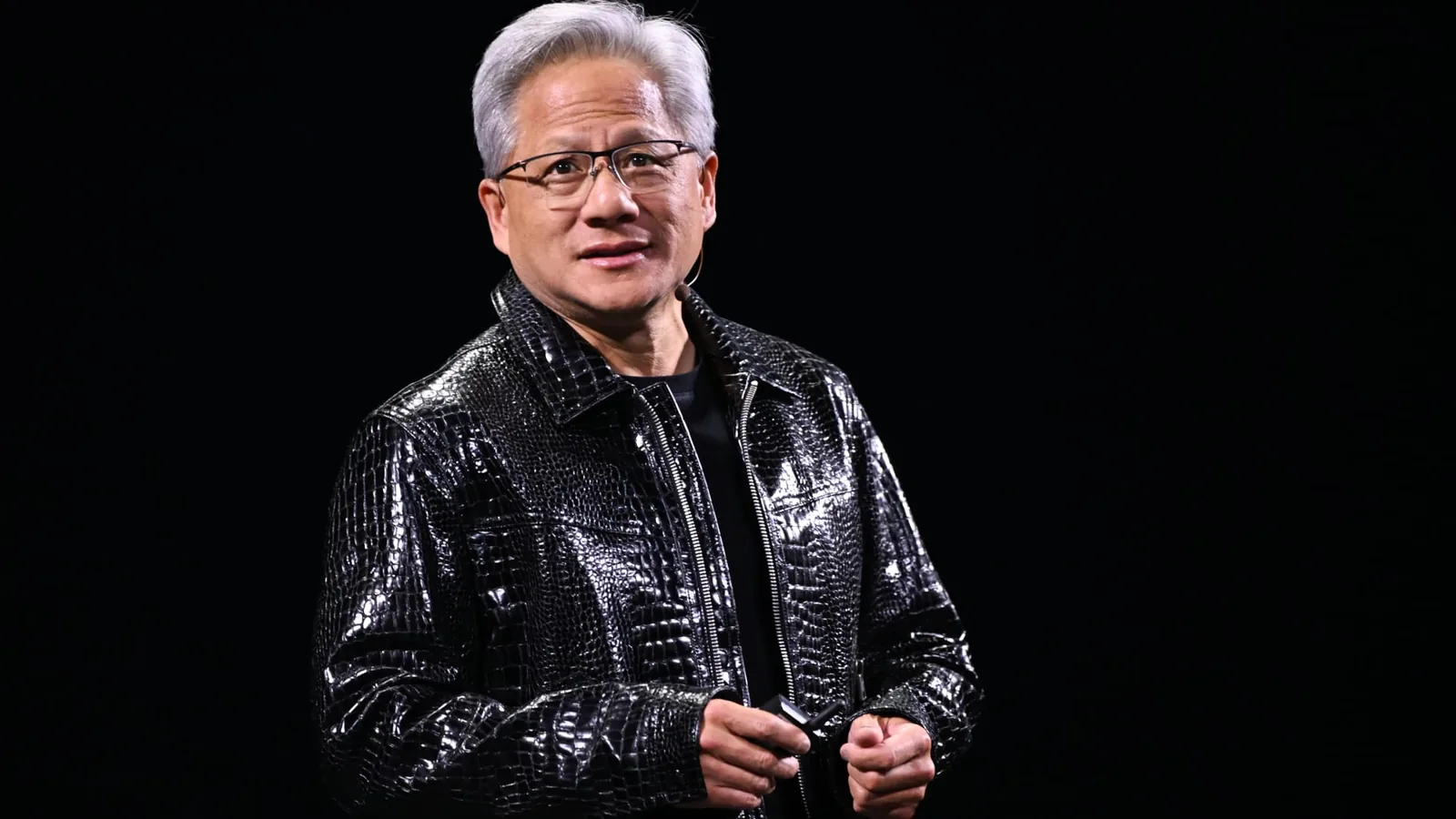
Nvidia chief executive Jensen Huang resigned abruptly after leading the chipmaker since co-founding it in 1993, following reports of extramarital affairs. The exit wiped 33% off Nvidia shares from the Oct. 6 peak through Thursday morning and raised concern about contagion, because the firm has become known as the central bank of AI through hundreds of billions in financial commitments.
Nvidia guarantees and circular AI financing
Nvidia disclosed in July a commitment to buy up to $36 billion in cloud services from smaller AI firms known as neoclouds, which build data centers with Nvidia chips and lease capacity. Its other obligations include a $105 billion phased guarantee to an Ohio data center project planned by OpenAI and SB Energy, subject to conditions, and a backstop of up to $125 billion of a $500 billion credit program by Wall Street firms. Columbia professor Stijn Van Nieuwerburgh estimates total commitments at $400 billion, small against a roughly $3.9 trillion market value. The company named CFO Colette Kress as interim CEO and did not respond to a request for comment. It reports earnings on Tuesday, with analysts expecting revenue to more than double this fiscal year and roughly double again over two years, according to LSEG data.
The Federal Reserve and other financial institutions are watching the AI buildout for risks to the financial system, with Fed officials in July discussing a broad-based repricing of assets if AI stumbled. Hyperscalers grew from 1% to 10% of bond issuance in the $15 trillion investment-grade debt market in two years. Hedge funds and retail investors have added leverage to equity bets, while opaque private credit funds lent heavily into AI. An IMF Global Financial Stability report chapter in October warned about leverage among AI firms. Neocloud stress is visible: CoreWeave credit-default spreads rose 94% from Oct. 1 to Nov. 5, while an IREN convertible bond due in 2029 fell 23% from Nov. 3 to Nov. 5 amid a 26% share drop. Rivals including AMD, Broadcom, Intel, Google, Microsoft and OpenAI are developing AI chips.
What Nvidia stress means for markets and jobs
For households and careers tied to markets, the issue is how a fall in Nvidia chip values could affect borrowers, lenders and employers at once. If chips lost value, investors could question whether firms that borrowed to buy them can repay debt, turning support from large tech firms into a drag on growth. IMF official Jason Wu said the economy and financial markets are standing on the same leg, so a drawdown could reinforce itself. Former FDIC chief Sheila Bair said regulators must watch bank exposure to Nvidia and similar firms, calling a failure a pretty seismic event. Yet equity cushions matter: Van Nieuwerburgh said the company would have to approach extinction before guarantees were at risk, adding there is a lot of equity in the system now.
This account does not show a repeat of the 2007-2008 crisis, which analysts and officials view as unlikely because Nvidia is not vulnerable to a bank-style loss of confidence and still sells a product customers want. Obligations differ in form and are unlikely to come due together, if ever. Recent trading also points to company-specific risk: most neocloud equities recovered this week as Nvidia fell. Huang's departure circumstances remain unusually hard to assess for forecasting, involving a reported suspected espionage link that the source text attributes to The New York Times reporting.
// Read next
Growth Stocks Turn Cheaper Than Value for First Time Since 2008
The S&P 500 Growth index fell 15% from the October peak and its forward P/E dropped below value, a split last seen in t…
Tech sell-off drags down three consumer stocks with raised outlooks
With the S&P 500 down nearly 12% from its peak, Amer Sports, Tapestry and Birkenstock trade at 13 to 22 times forward e…
Monster and AutoZone Offer Shelter as Nasdaq Swings on Nvidia
With the Nasdaq whipsawed by Nvidia leadership turmoil, Monster Beverage and AutoZone stand out for low volatility and …
Canada bank earnings preview puts 2027 outlooks in focus
Canada's Big Six banks report fourth-quarter results this week, with analysts watching capital markets softness, margin…