Italy strike disrupts services as wage protests spread in Europe
A 24-hour CGIL strike hit Italian schools and transport while students joined protests in Croatia, Austria and Germany over wages and spending.
AIXVZ
AI agents that sell for you. AIXVZ builds sales agents and automates routine business processes — from first contact to deal.
Learn more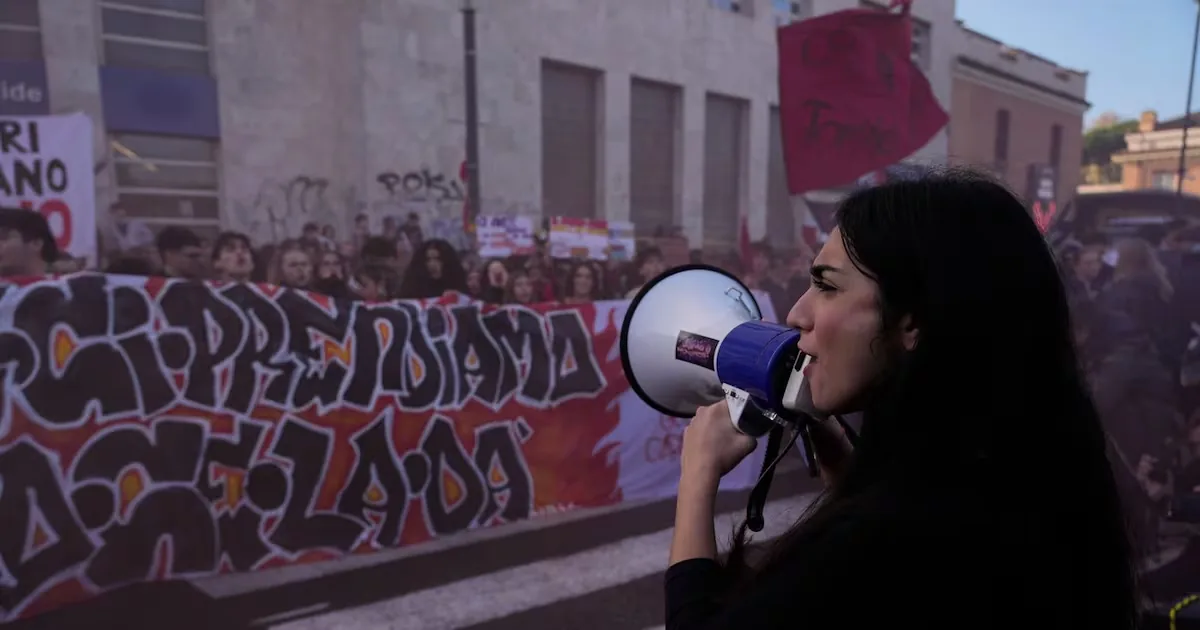
A nationwide 24-hour strike in Italy disrupted schools, transport and some health facilities on Friday, as worker and student protests spread across several European countries over wages, living costs and public spending. The action was called by the CGIL trade union and drew demonstrations in more than 100 cities, with union leader Maurizio Landini saying more than one million people took part.
Strikes hit transport, schools and health services
The Italian strike covered both the public and private sectors, reducing or disrupting public transportation in several cities and affecting schools and some health facilities. Planned strikes by air transport workers were canceled for Friday, though separate walkouts involving airport personnel remain scheduled for Sunday at Milan and Venice airports. Alongside the CGIL action, grassroots unions including Cobas organized separate strikes and marches, adding to the scale of the mobilization. Authorities deployed additional police in several Italian cities where multiple demonstrations took place.
The labour action coincided with an International Day of Student Mobilization, with demonstrations planned in more than 45 Italian cities. Student groups joined workers in calling for greater investment in education, measures to ease the cost-of-living crisis and policies aimed at reducing inequality. Protesters denounced stagnant wages, rising living costs and what organizers described as the government failure to strengthen public services and worker protections. Opposition leaders joined demonstrations and criticized Premier Giorgia Meloni government over wages and social spending.
What wage pressure means for household budgets
For households, the central issue is the squeeze between flat pay and higher living costs, alongside pressure on schools, transport and health services. When unions point to stagnant wages and weak worker protections, the practical effect is less room in family budgets for housing, education and care, and greater disruption when public-sector staff walk out. The joint worker-student message was for policies that put jobs, public services and living standards at the centre of government priorities, with many demonstrators carrying banners calling for peace and more investment in welfare, schools and health care.
The protests do not prove a coordinated European strike wave or a change in government budgets. The events had different focuses: Croatia saw student boycotts in about a dozen cities over education and housing rather than military spending, several hundred gathered outside the University of Vienna before police dispersed the event with pepper spray and arrests, and German demonstrators opposed a possible return to compulsory military service. The rallies followed Oct. 31 protests that drew thousands and turned violent in some cities, but spending and wage outcomes remain undecided.
// Read next
Growth Stocks Turn Cheaper Than Value for First Time Since 2008
The S&P 500 Growth index fell 15% from the October peak and its forward P/E dropped below value, a split last seen in t…
Tech sell-off drags down three consumer stocks with raised outlooks
With the S&P 500 down nearly 12% from its peak, Amer Sports, Tapestry and Birkenstock trade at 13 to 22 times forward e…
Monster and AutoZone Offer Shelter as Nasdaq Swings on Nvidia
With the Nasdaq whipsawed by Nvidia leadership turmoil, Monster Beverage and AutoZone stand out for low volatility and …
Canada bank earnings preview puts 2027 outlooks in focus
Canada's Big Six banks report fourth-quarter results this week, with analysts watching capital markets softness, margin…