HeartFlow raises 2026 outlook as AI heart software sales jump 57%
HeartFlow reported $72.9 million in third-quarter revenue and raised its full-year outlook, pointing to wider hospital use of its AI cardiac diagnostics.
AIXVZ
AI agents that sell for you. AIXVZ builds sales agents and automates routine business processes — from first contact to deal.
Learn more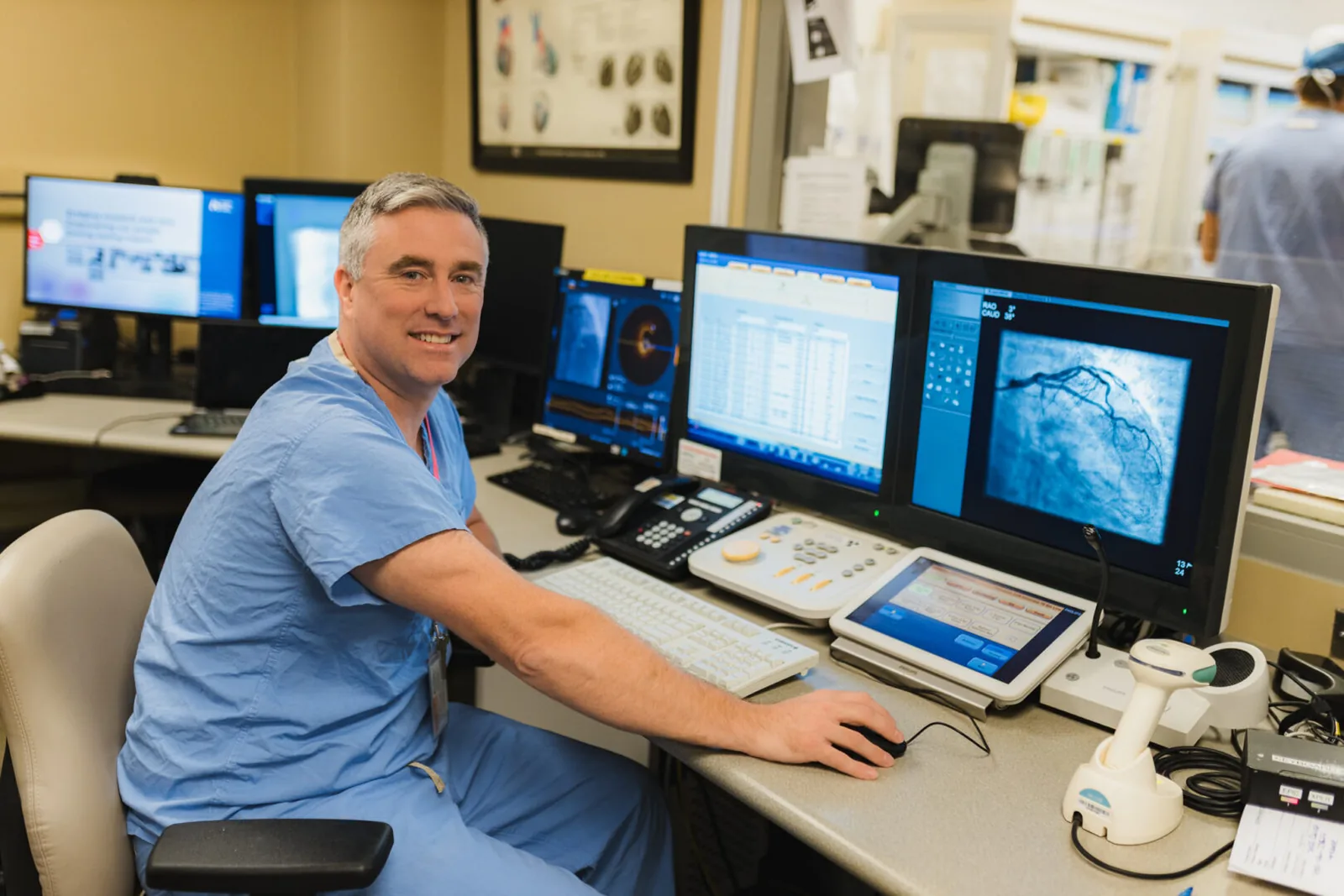
HeartFlow raised its full-year 2026 revenue outlook to between $262 million and $264 million after third-quarter revenue grew 57% from a year earlier to $72.9 million. The update came on its earnings call on Nov. 12, 2026, as the company reported accelerating use of its artificial intelligence diagnostic platform for coronary care. For households and workers, the result matters because wider use of software-based heart testing can shape insurance coverage and hospital costs.
Software growth lifts revenue and margins
Management said growth was driven by higher utilization of FFRct, an artificial intelligence tool that measures coronary artery blockage, and Plaque Analysis, software that analyzes arterial vessel walls. U. S. revenue rose 60%, which the company's chief executive described as the fastest U. S. growth in 11 quarters. Expanding sales of high-margin software helped lift non-GAAP gross margin, an adjusted measure excluding non-cash compensation, to 83.8%. The company said it remains committed to a midterm non-GAAP gross margin target of 85%.
The company also pointed to a one-year study of 6,000 patients in which clinicians using Plaque Analysis reduced major cardiovascular disease events by 34% compared with standard coronary computed tomography angiography scans alone. Management said the findings give clinicians objective outcomes data to optimize preventative care earlier and reduce major cardiovascular events and heart attacks. A newer product, PCI Navigator, a software tool for planning catheter-based heart stent procedures, extends the platform from diagnosis into treatment planning, with a broader rollout expected in 2027.
Cash runway and push into larger market
Operational leverage is improving as revenue growth outpaces expenses and operating losses narrow, while the company holds $253 million in cash and short-term investments. Management expects that balance to fund operations until positive cash flow, with increased confidence in reaching cash flow profitability by mid-2028. The company is initiating three clinical trials in late 2026 and early 2027 to evaluate high-risk patients without symptoms, aiming to unlock an additional $6 billion market and expand its total addressable market to $11 billion. Data from those trials is expected by the end of 2028, with market entry before the end of the decade.
The outlook does not prove sustained profitability or guaranteed reimbursement in the asymptomatic population, which still depends on trial results and regulatory and payer decisions. The 34% reduction in cardiovascular events comes from a one-year study described on the call and does not by itself establish long-term outcomes. The cash-flow target applies to HeartFlow specifically and does not affect broader market returns or household finances directly.
// Read next
Growth Stocks Turn Cheaper Than Value for First Time Since 2008
The S&P 500 Growth index fell 15% from the October peak and its forward P/E dropped below value, a split last seen in t…
Tech sell-off drags down three consumer stocks with raised outlooks
With the S&P 500 down nearly 12% from its peak, Amer Sports, Tapestry and Birkenstock trade at 13 to 22 times forward e…
Monster and AutoZone Offer Shelter as Nasdaq Swings on Nvidia
With the Nasdaq whipsawed by Nvidia leadership turmoil, Monster Beverage and AutoZone stand out for low volatility and …
Canada bank earnings preview puts 2027 outlooks in focus
Canada's Big Six banks report fourth-quarter results this week, with analysts watching capital markets softness, margin…