Canada races to launch $110 billion global defence bank
Canada is courting Germany and Portugal to join its planned defence bank, which has 10 backers and just over 4 billion euros in upfront capital so far.
AIXVZ
AI agents that sell for you. AIXVZ builds sales agents and automates routine business processes — from first contact to deal.
Learn more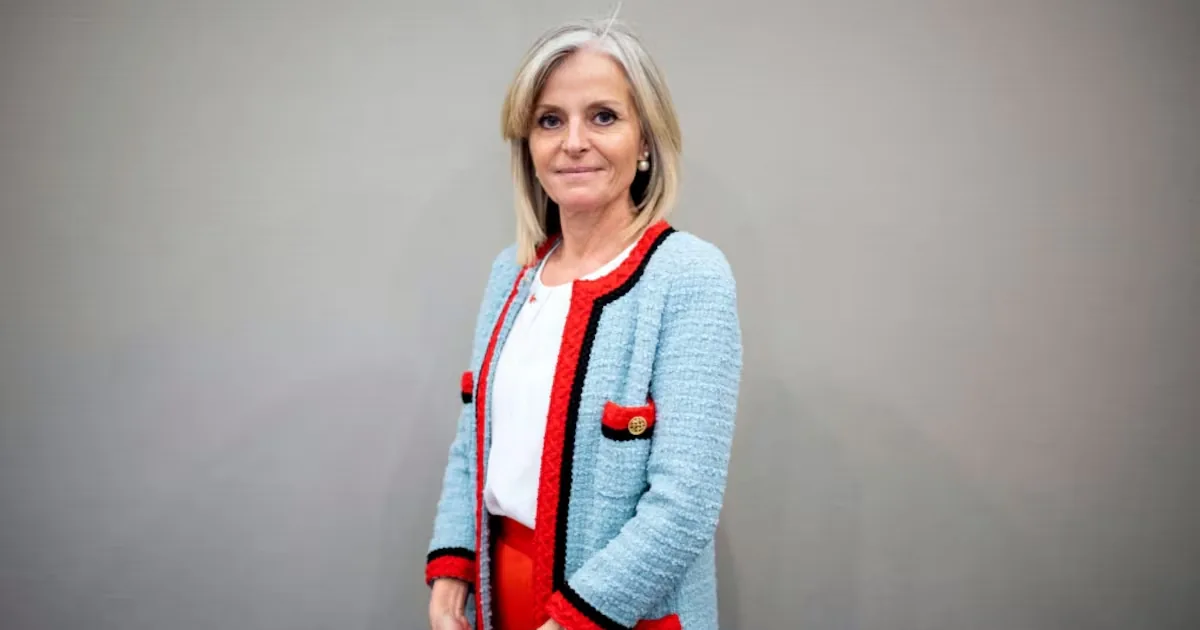
Canada is racing through Europe to recruit members for a planned Defence, Security and Resilience Bank before articles of agreement are signed in Luxembourg on Monday. Lead negotiator Isabelle Hudon told Reuters she is visiting Portugal, Estonia and Germany this week, with ten countries pledged so far and a little over 4 billion euros in upfront commitments secured toward a 20 billion euro target.
Ten backers pledged, Germany still undecided
The bank aims to raise around 100 billion euros, about 110 billion dollars, and lend at low cost to governments and contractors for defence projects. Canada wants 20 billion euros in paid-in capital plus 80 billion euros that the bank can call on when needed. Alongside Canada, Albania, Belgium, Greece, Latvia, Luxembourg, Romania, Turkey, Lithuania and Ukraine have pledged support. Hudon, who is also CEO of Canada development bank, said the upfront capital is enough to launch the institution, which will also begin searching this week for a chief executive and an executive vice president for defence and security.
Britain decided last month to opt out, and Canada has not secured backing from other G7 countries, a gap that could limit the bank financial clout and raise questions about its ability to secure a top credit rating. Reuters has reported that some countries are wary of capital commitments of up to around 1 billion euros, about 1.1 billion dollars, for large economies, while others worry about governance and overlap with existing European initiatives. Germany turned down the project late last year but remains an observer, with its finance ministry saying in October it was reviewing open questions on the charter. A ministry spokesperson said Germany position was unchanged.
What the funding gap means for jobs and budgets
For households and workers, the near-term effect runs through defence budgets, industrial orders and public borrowing rather than direct lending. Hudon argued Germany could see a fast return because many large defence contractors, known as primes, are headquartered there and funds would flow quickly into its economy. A partner specializing in defence and industry at Deloitte in Montreal said success should be judged not by the bank size on paper but by how much additional industrial capacity each dollar of sovereign support unlocks. That framing matters for taxpayers in member states, where paid-in capital is upfront public money committed to back loans for rearmament.
The project remains one government proposal, not a functioning lender, and its scale depends on members that have not yet joined. Hudon said Germany has not said no and that the initiative could not afford to exclude it, while Canada also sees renewed interest from Portugal after it elected a Socialist president in February. Portugal defence ministry did not respond to a request for comment. The bank is presented as part of Prime Minister Mark Carney effort to unite middle-power countries and reduce economic and defence reliance on the United States, but without wider G7 participation its borrowing costs and lending power remain uncertain.
// Read next
Growth Stocks Turn Cheaper Than Value for First Time Since 2008
The S&P 500 Growth index fell 15% from the October peak and its forward P/E dropped below value, a split last seen in t…
Tech sell-off drags down three consumer stocks with raised outlooks
With the S&P 500 down nearly 12% from its peak, Amer Sports, Tapestry and Birkenstock trade at 13 to 22 times forward e…
Monster and AutoZone Offer Shelter as Nasdaq Swings on Nvidia
With the Nasdaq whipsawed by Nvidia leadership turmoil, Monster Beverage and AutoZone stand out for low volatility and …
Canada bank earnings preview puts 2027 outlooks in focus
Canada's Big Six banks report fourth-quarter results this week, with analysts watching capital markets softness, margin…