Bank of Canada defends vague rate guidance amid inflation risks
Deputy governor Toni Gravelle said too much forward guidance stops markets doing homework, as the Bank of Canada relies on scenarios after its rate hike.
AIXVZ
AI agents that sell for you. AIXVZ builds sales agents and automates routine business processes — from first contact to deal.
Learn more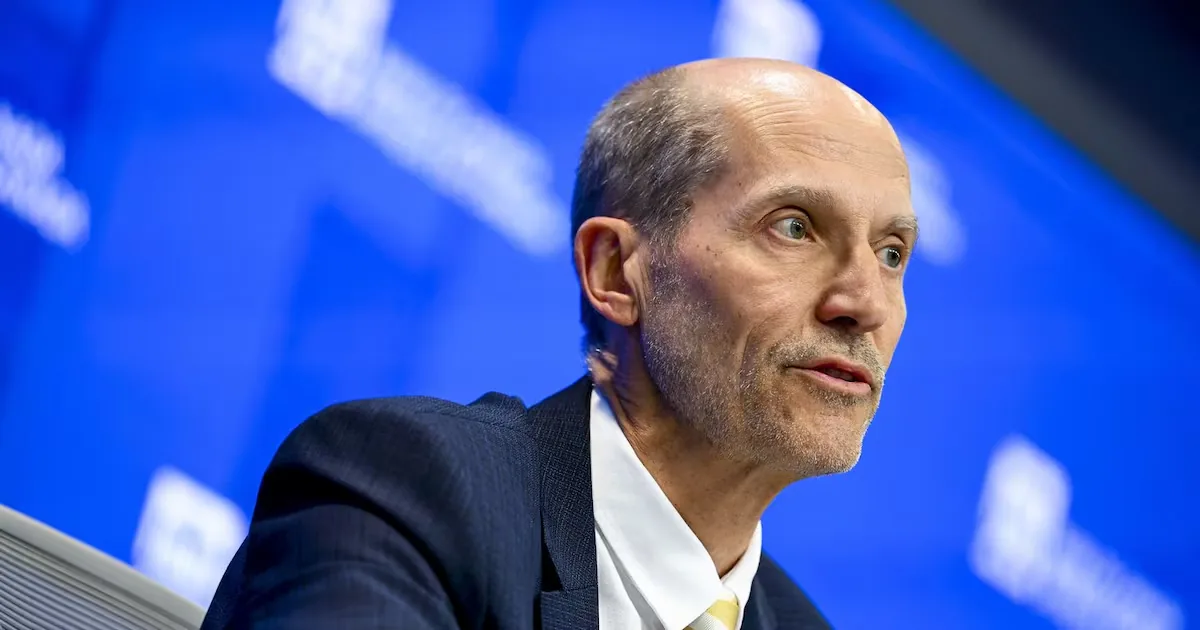
Bank of Canada deputy governor Toni Gravelle said policymakers want to be clearer about their thinking but have good reasons to avoid spelling out the future path for interest rates. Speaking in Edmonton on Wednesday, he argued that detailed forward guidance can lock in decisions or mislead markets and households. The message matters because rate expectations shape bond yields and the loans and savings rates offered to Canadians.
Scenarios guided April outlook and October hike
Gravelle addressed an ongoing debate over forward guidance, a central banking term for signals about where rates could head next. He noted that the new chair of the U. S. Federal Reserve, Kevin Warsh, criticized the practice in a major address in August, saying it can constrain future decisions or lead markets and households astray. Gravelle echoed that concern, saying markets can end up repeating the Bank of Canada instead of reacting to incoming data. In a sense, they stop doing their homework, he told the Edmonton Chamber of Commerce.
That loss of independent market reaction deprives the central bank of information about how investors view the economy, Gravelle said. He added that the debate over guidance becomes sharper when the future is heavily uncertain. In such periods, the Bank of Canada has leaned more on scenarios to inform decisions, including at the onset of the COVID-19 pandemic and at the start of the ongoing U. S. tariff campaign. Expectations about future rate moves are almost as important as the decisions themselves because they are reflected in long-term bond yields.
What cautious signals mean for borrowers
Gravelle pointed to an April scenario in which global oil prices stayed higher than initially forecast, a path that closely mirrored actual oil prices through the spring and summer. In that high oil price scenario, inflation stays close to three per cent for more than a year, and consecutive policy rate increases are needed to bring inflation back to target, he recalled. That upside risk to inflation had largely materialized, helping to inform the decision to raise the benchmark rate for the first time in three years at the end of last month. The policy rate now stands at 2.5 per cent, with the final decision of the year set for Dec. 9.
Gravelle said outlining scenarios and possible central bank reactions can help Canadians better understand shifts in policy stance. The bank is committed to clearer explanation because that makes monetary policy work better, he said. The account does not promise a particular rate move in December or quantify the tariff impact beyond the oil-price example. It also describes a Canadian policy debate with reference to U. S. views, not a joint decision by the two central banks.
// Read next
Growth Stocks Turn Cheaper Than Value for First Time Since 2008
The S&P 500 Growth index fell 15% from the October peak and its forward P/E dropped below value, a split last seen in t…
Tech sell-off drags down three consumer stocks with raised outlooks
With the S&P 500 down nearly 12% from its peak, Amer Sports, Tapestry and Birkenstock trade at 13 to 22 times forward e…
Monster and AutoZone Offer Shelter as Nasdaq Swings on Nvidia
With the Nasdaq whipsawed by Nvidia leadership turmoil, Monster Beverage and AutoZone stand out for low volatility and …
Canada bank earnings preview puts 2027 outlooks in focus
Canada's Big Six banks report fourth-quarter results this week, with analysts watching capital markets softness, margin…