Anthropic IPO tests pledge to put humanity before profit
Anthropic plans a public listing this month with a trust and benefit-corporation status meant to guard its AI mission against pressure for profits.
AIXVZ
AI agents that sell for you. AIXVZ builds sales agents and automates routine business processes — from first contact to deal.
Learn more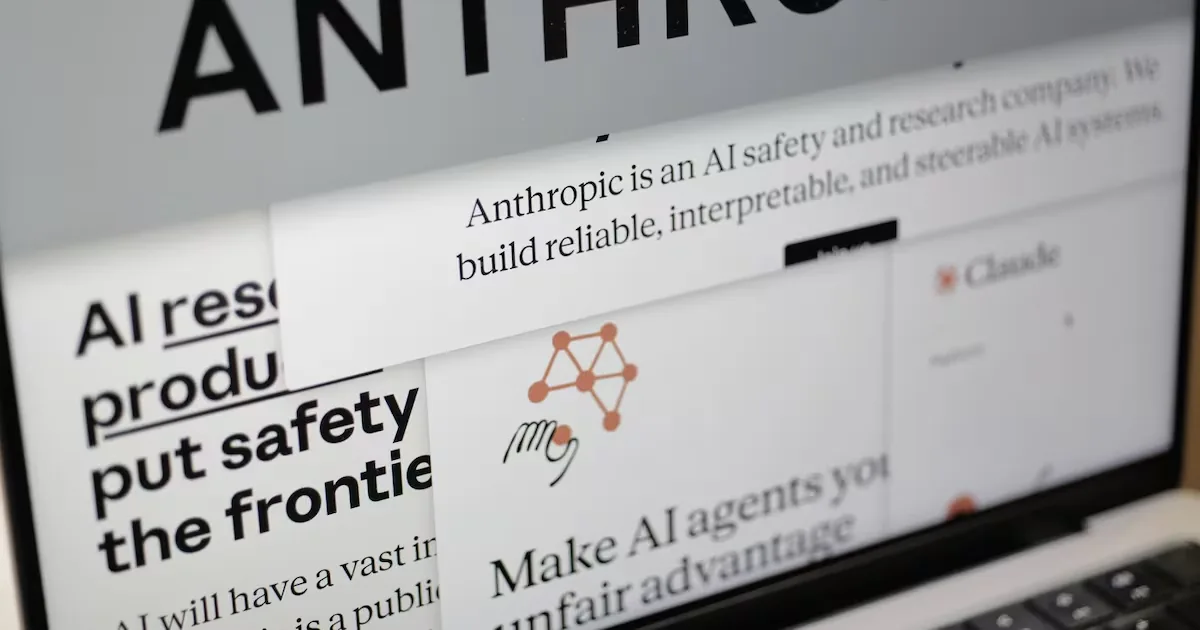
Anthropic plans an initial public offering this month that will test its founding pledge to prioritize humanity's benefit as it builds advanced artificial intelligence. The San Francisco startup says a special governance structure will shield its mission from financial pressure, but experts say the filing leaves wide leeway in how benefit is measured. For investors and workers, the question is what happens when doing good becomes costly.
Benefit status, trust and board control
Anthropic is organized as a public benefit corporation, a legal form meant to balance shareholder interests with the public good, like rival OpenAI. In regulatory filings it pledges to pursue long-term benefits through responsible development of advanced AI and to help bring humanity safely into an era where transformative AI shapes human undertakings. It has pledged at least five per cent of its stock to a public benefit fund, while founders committed to donate 80 per cent of their wealth.
A Long-Term Benefit Trust is intended to act as an independent check, with trustees expert in AI safety, national security, public policy and social enterprise. Through a single Class T share with no economic rights, five trustees vote as a unit and generally can elect and remove Class T directors who will form a majority of the board. Three directors are elected by the trust directly and three by other shareholders, including founders holding a 50.1 per cent voting majority, while a seventh director is nominated jointly but needs consent of a founder-controlled committee.
What investors and workers should watch
For households owning index funds or seeking tech work, the structure matters because public benefit status changes directors' duties in a sale or strategy shift. Law professor Stavros Gadinis cited Elon Musk's 2022 takeover of Twitter, where directors faced pressure to accept a high price despite concerns about the public square; a benefit charter could require weighing factors beyond shareholder value. As a public company, Anthropic will also face more disclosure and questioning from investors about finances and responsible AI, similar to Google and Microsoft.
The filing does not prove the mission will hold when profit and safety conflict, nor does it define how public benefit will be measured. Experts note traded benefit corporations such as Warby Parker, Lemonade and Veeva Systems are far smaller, leaving trillion-dollar AI firms in uncharted territory. Competitive pressure, including from open-source Chinese models with fewer guardrails, and a Silicon Valley belief that AI cures major problems could also shape decisions in ways outsiders cannot easily verify.
// Read next
Growth Stocks Turn Cheaper Than Value for First Time Since 2008
The S&P 500 Growth index fell 15% from the October peak and its forward P/E dropped below value, a split last seen in t…
Tech sell-off drags down three consumer stocks with raised outlooks
With the S&P 500 down nearly 12% from its peak, Amer Sports, Tapestry and Birkenstock trade at 13 to 22 times forward e…
Monster and AutoZone Offer Shelter as Nasdaq Swings on Nvidia
With the Nasdaq whipsawed by Nvidia leadership turmoil, Monster Beverage and AutoZone stand out for low volatility and …
Canada bank earnings preview puts 2027 outlooks in focus
Canada's Big Six banks report fourth-quarter results this week, with analysts watching capital markets softness, margin…